




Earnings Season Begins with J.B. Hunt Profit Increase
Although many analysts are expecting generally lower fourth-quarter earnings for the nation’s publicly held companies, J.B. Hunt kicked off the earnings season for trucking on Thursday by reporting a 6% increase in profit.



Although many analysts are expecting generally lower fourth quarter earnings for the nation’s publicly held companies, J.B. Hunt Transport Services Inc. (NASDAQ:JBHT) kicked off earnings season for trucking on Thursday by reporting a 6% increase in profit.
The Arkansas-based multi-modal freight transporter had earnings of $116.7 million compared to $110.3 in the final quarter of 2014, which it attributed to increased operating income and lower net interest expense.
Earnings per diluted share were $1.01 in the final quarter of 2015 compared to 93 cents a year earlier, a 9% gain, beating an expected estimate from Zacks Investment Research by 1%.
Operating income for the current quarter increased 5% to $192.9 million compared to $182.9 million for the fourth quarter 2014.
“The increase primarily reflects higher revenue in JBI [intermodal], DCS [dedicated] and JBT [trucking] business segments, improved fuel economy and lower maintenance costs on newer equipment, less reliance on third-party carriers in JBI and DCS, expanding gross margins in ICS [logictics/brokerage] and lower safety and insurance costs in JBT,” the fleet said in a statement.
Total operating revenue for the fourth quarter of 2015 was $1.62 billion, a 1% improvement over the $1.61 billion in the final quarter of 2014. Total operating revenue, excluding fuel surcharges, increased 9% from 2014.
The company said load growth of 6% in JBI was the primary reason for a 1% increase in segment revenue. The dedicated DCS segment revenue increased by 2%, primarily from new customer accounts and rate increases. Truck segment revenue increased 3%, primarily from customer rate increases and an increase in fleet size. \
However, the company said its logistics segment revenue in its Integrated Capacity Solutions business dropped by 4%, mostly from less spot market activity and lower revenue per load.
For all of 2015, J.B. Hunt total revenue was nearly unchanged from 2014 at $6.2 billion, while net earnings improved to $427.2 million from $374.8 million in 2015.
Diluted earnings per share in 2015 were $3.66 compared to $3.16 a year earlier, a 16% increase. Operating income in 2015 totaled $715.7 million, a 13% hike.
More details, including individual segment performance, can be found on the J.B. Hunt website.
More Fleet Management

Public Wi-Fi Cybersecurity Risks: How Truck Drivers and Fleets Can Protect Their Data
Public Wi-Fi can expose truck drivers and fleets to credential theft, malware, and other cyber threats. Here’s how to reduce the risk on the road.
Read More →
For Nicky Cupp, Fleet Innovation Starts With Frustration
HDT Truck Fleet Innovator Nicky Cupp turns everyday pain points at Fraley & Schilling into opportunities for better technology and smarter processes.
Read More →
Adam Buttgenbach’s Approach to Electric Trucks: Start With Where They Fit
HDT Truck Fleet Innovator Adam Buttgenbach helped PepsiCo build one of North America’s largest EV fleets by focusing on where electric trucks make operational sense.
Read More →
Deen Albert: Let Automation Do the Math, People Make the Decisions
HDT Truck Fleet Innovator Deen Albert makes sure people are still at the heart of operations at Grand Island Express, even while adopting artificial intelligence tools. AI-assisted dispatch helped boost revenue 25% with the same number of trucks.
Read More →
Trimble’s New AI Agent Takes Aim at Fleet Back-Office Busywork
Arc Agent works across Trimble TMS products to automate repetitive tasks such as freight orders, maintenance, invoices, fuel costs and more.
Read More →
How HDT’s 2026 Truck Fleet Innovators Are Rethinking Fleet Operations
Meet five trucking leaders who are challenging assumptions, solving operational problems, and putting innovative ideas to work.
Read More →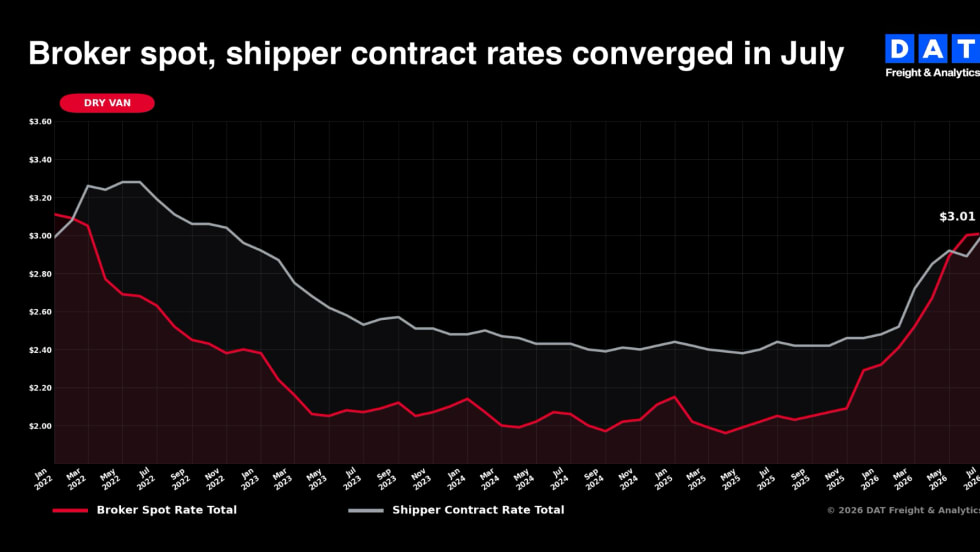
Tight Trucking Capacity Pushes Rates Higher Even as Freight Volumes Fall
“Spot rates moving ahead of contract rates have historically signaled a tightening market, but we haven’t seen a capacity-driven market quite like this one,” said DAT's Dean Croke.
Read More →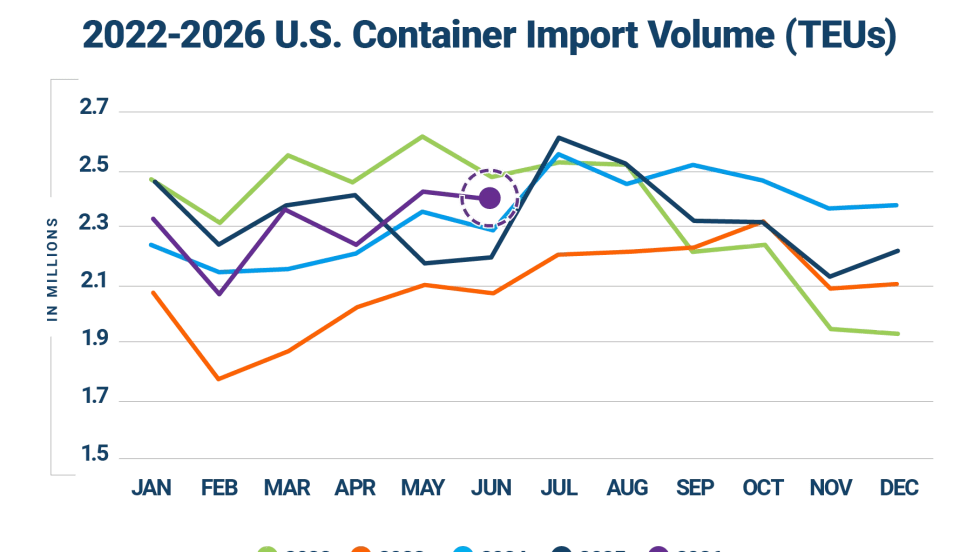
Import Cargo’s Early Peak Season is Winding Down
There was an early start to peak season this year at the nation's gateway ports, as retailers brought in merchandise ahead of tariff changes in late July and responded to other supply chain uncertainties,
Read More →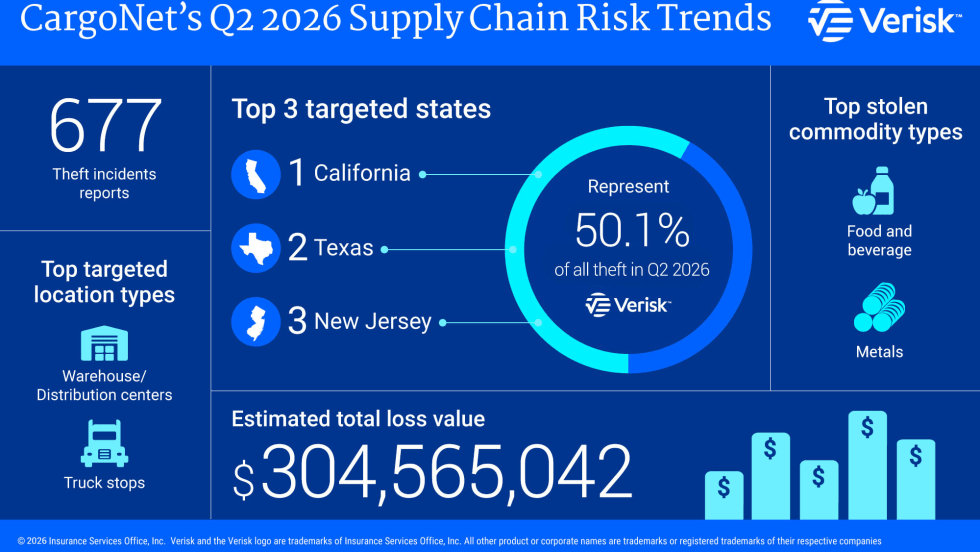
Fewer Cargo Thefts, Bigger Losses: Criminals Target Higher-Value Loads
CargoNet says organized theft rings are stealing fewer shipments but choosing more valuable freight, including metals and technology, resulting in record losses.
Read More →
How Innovative Trucking Leaders Turn Change Into an Advantage
As the pace of change accelerates in trucking, the fleets that adapt best have more than the latest technology. They have cultures that embrace improvement.
Read More →