




Related: Class 8 Orders Hit 17-Month Low
Early Numbers Show Weak May for Truck Orders
Class 8 truck orders hit their lowest monthly level since late 2013 with around 20,000 units ordered while medium-duty orders rebounded.
by Staff
June 3, 2015
Photo: Evan Lockridge
2 min to read
Class 8 truck orders hit their lowest monthly level since late 2013 with around 20,000 units ordered for the month according to preliminary reports from ACT Research and FTR.
Orders were down 11% compared with April and 23% down year-over-year. Backlogs, however, remained above last year’s levels, thanks to the ordering blitz which ended last year. Summer is usually the low point of the year for truck orders and despite the decline, analysts were confident in the health of the industry.
“Rather than simply considering orders to be a harbinger of weakness, broader context is required in passing judgment,” said Kenny Vieth, ACT Research’s President and Senior Analyst. “In addition to few build slots remaining open in 2015, this is the time of the year when Class 8 orders typically slow.”
The Class 8 market will continue to stabilize, believes Don Ake, FTR's vice president of commercial vehicles. Ake expects orders to hit bottom in July with around 16,000 orders, which he thinks should be enough to maintain production levels for the year.
“The Class 8 market continues to stabilize, and the overall market remains healthy at this point,” said Ake. “However, some individual OEMs may need orders to improve to maintain their build rates.”
Medium-duty orders actually increased in May, hitting 19,000 units for the month. Orders for Class 5-7 vehicles were up 17% year-over-year. . “This was the sixth time in the past nine months that Classes 5-7 orders reached at least 19,000 units,” said ACT's Vieth.
More Equipment

What the U.S.-Canada Trade War Means for Trucking
Escalating U.S.-Canada tariffs could disrupt cross-border freight, reduce truck volumes, raise costs, and create new uncertainty for carriers on both sides of the border.
Read More →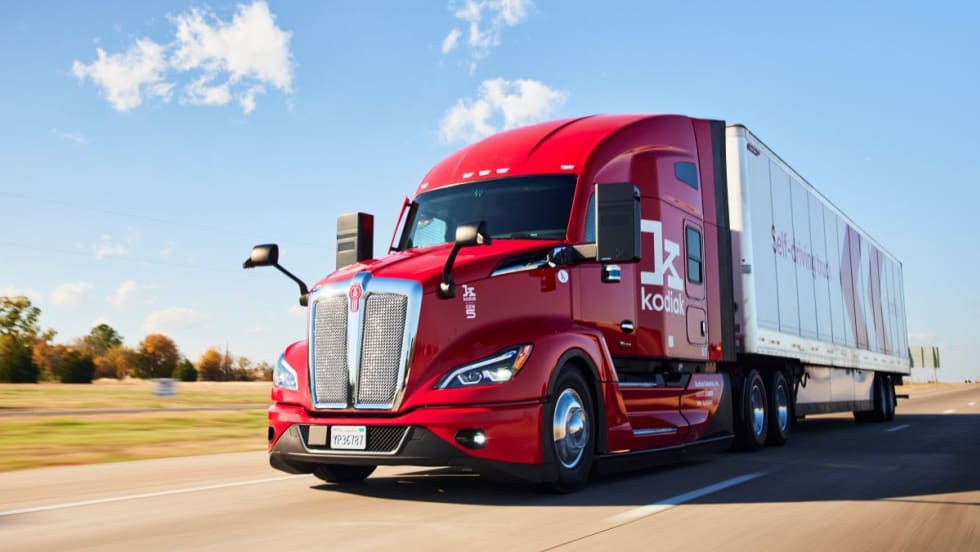
Autonomous Truck Testing Moves Ahead in California as Teamsters Challenge Rules
California has begun permitting heavy-duty autonomous truck testing, with Aurora and Kodiak among the first to receive approval, as the Teamsters sue the DMV over the new regulations.
Read More →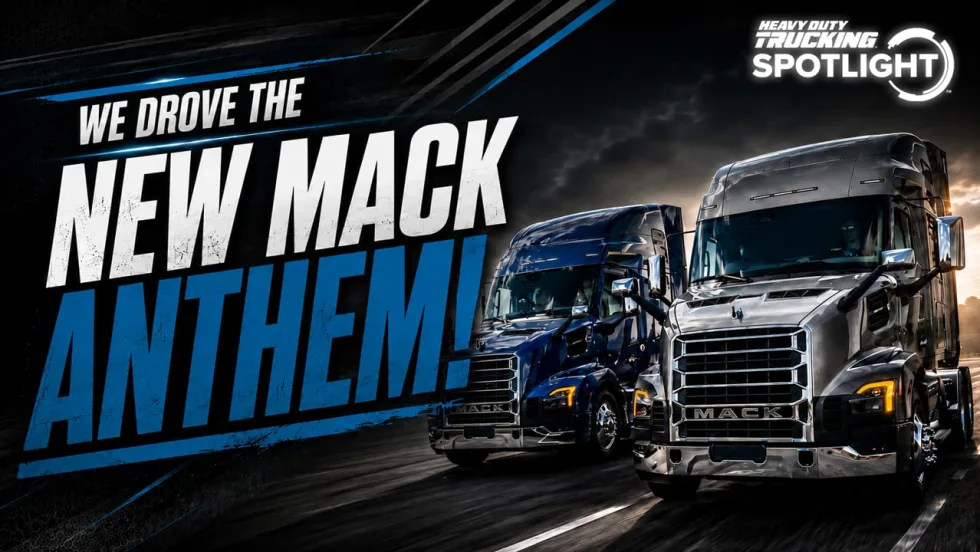
Behind the Wheel of the New Mack Anthem [Video]
HDT takes the new Mack Anthem around Mack’s Pennsylvania test track to see how its driver-focused design, technology, visibility and handling perform from behind the wheel.
Read More →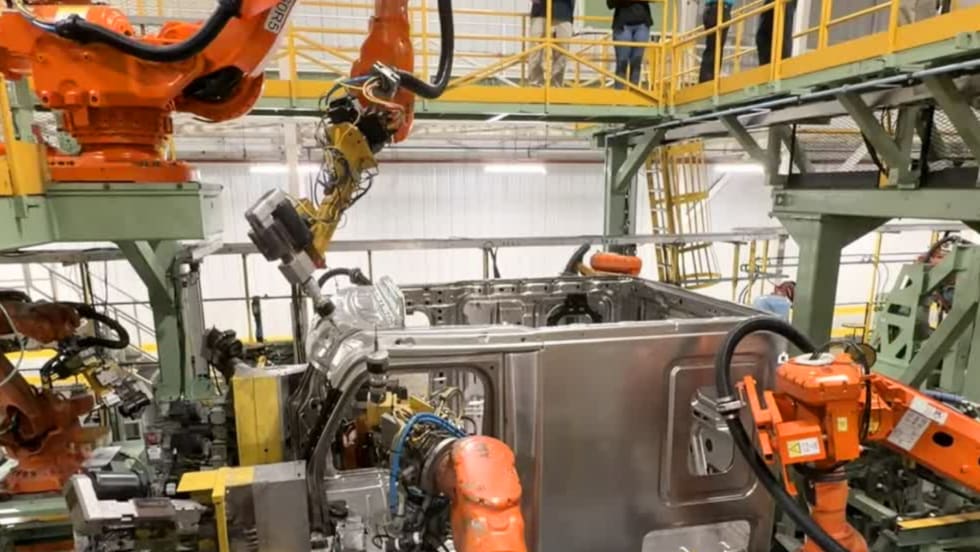
DTNA Plans New U.S. Truck Plant as Manufacturing Footprint Shifts
Daimler Truck North America is evaluating sites for a new assembly plant expected to open in 2029 while winding down operations at its longtime Portland manufacturing facility.
Read More →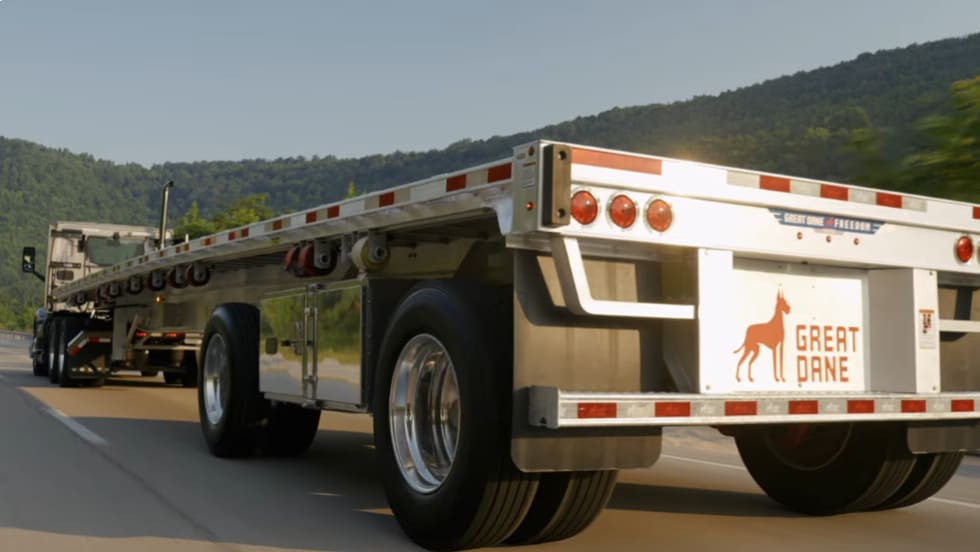
Great Dane Flatbed Trailer Offers Light Weight and Strength
Freedom Ultra is designed for a wide range of open-deck applications, including building materials, lumber, machinery, steel products, industrial freight, and coil hauling.
Read More →
What It's Like Inside this Custom 2025 Peterbilt 589?
Take a driver's-eye tour of this customized 2025 Peterbilt 589 in this video, as longtime driver Ingrid Brown explains its features, compares it to previous models, and shares plenty of personality along the way.
Read More →
Drivers Put Western Star Trucks to the Test at Star Nation Experience
Watch to get an inside look at the Western Star trucks, technology, and community behind the Star Nation Experience 2026!
Read More →
Atlas Expands Kodiak Driverless Truck Fleet in Permian Basin
Atlas Energy Solutions is expanding autonomous frac sand hauling in the Permian Basin with a second load-out location and plans for 100 driverless trucks by mid-2027.
Read More →
Putting Mack’s Command Steer to the Test
A test drive of Mack’s Command Steer active steering system evaluates how it can make truck driving easier and less tiring.
Read More →
Mack, Volvo Expand DEF Derate Software Updates
The updated software gives Mack and Volvo truck owners more time to address DEF-related issues before the engine derates or the vehicle goes into reduced-speed inducement, following new EPA guidance.
Read More →