





For more on designing redundant systems for autonomous trucks, read
DTNA’s O’Leary on Fast-Changing Trucking Technology
Connectivity, autonomous technology, and electric trucks are a trifecta of solutions to the challenges posed by the fast-changing dynamics of global commerce, Daimler Truck North America chief John O’Leary told TMC attendees.
March 9, 2022
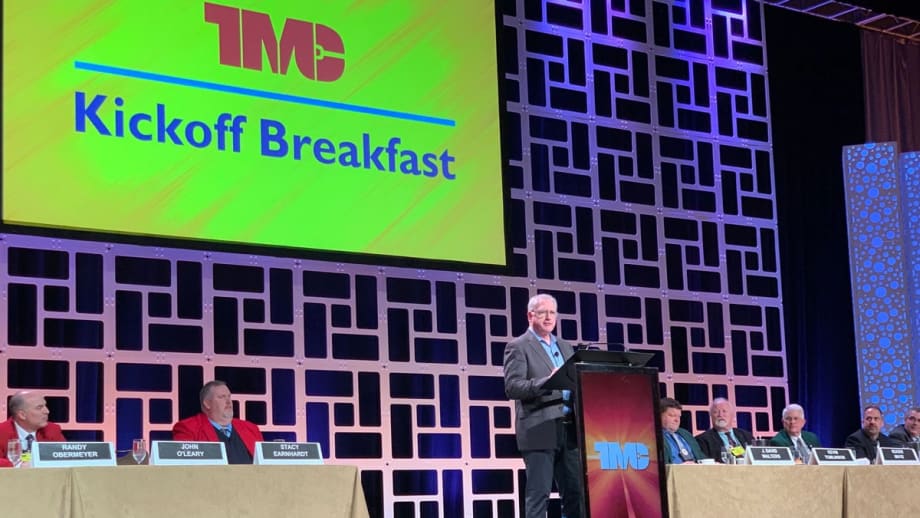
"Any one of these three goals require technological innovation that by themselves would have historically taken decades to accomplish," DTNA chief John O'Leary told TMC attendees.
Photo: Deborah Lockridge
5 min to read
The dynamics of global commerce are changing fast. Freight shipments by truck are expected to double from 2018 to 2045. Final-mile delivery will grow by 15% in just the next four years. And customers demand fast shipping, with 68% of consumers saying shipping times influence their buying decisions.
“That overwhelming demand is going to have more commercial vehicles on the road than ever before, and it’s coming at a time our industry’s expected to transform in numerous ways of our own,” said John O’Leary, president and CEO of Daimler Truck North America, in a kickoff breakfast keynote speech at the American Trucking Associations’ Technology & Maintenance Council annual meeting in Orlando, Florida, March 8. “Greater safety, reduced congestion, and — with both regulatory and consumer pressure — a drive toward decarbonization.
“Any one of these three goals by themselves represent a tremendous rethink of both our equipment design, as well as our manufacturing operations, and your service operations. Any one of these three goals require technological innovation that by themselves would have historically taken decades to accomplish. Instead, we’re looking at doing all three at once, and against an aggressive timeline, all while the industry is tasked with keeping an ever-increasing number of trucks on the road.”
O’Leary spent the bulk of his speech talking about three ways DTNA and other OEs and suppliers are addressing these issues: connectivity, autonomy, and electrification.
“Each one of them seems like something from a science fiction movie,” he said. “Each one has ramifications for our industry,” O’Leary said.
As the former chief financial officer and a self-professed “numbers guy,” O’Leary admitted, “I tend to shudder at the capital investment it will take to accomplish the transformation of our industry.”
At the same time, he said, “I know these technologies need to be practical. None of us want to see science projects on the road.” But the exponential pace of growth and the number of customers asking for them, he said, “I can say we will deliver on this trifecta of goals. We have to. The freight demand is coming.”
Connectivity
Pointing to DTNA’s decade of offering its own Detroit Connect system, O’Leary said the trucking industry is already delivering operational data to the nation. “And the pipeline of data from the truck continues to get larger.”
The move to 4G and eventually 5G wireless communications exponentially increase connection speed, he said. 4G is 14 to 15 times faster than 3G – and 5G ups the speed of that data pipeline by 100 times. “That level of connectivity is nothing short of a game-changer,” he said. Some of the benefits include advanced safety systems.
“Innovation must deliver tangible benefits to our customers, and we know this does just that. Last year Bosch crunched data and found injuries from large truck crashes were reduced up to 23% and fatalities were cut by up to 19%.
“Imagine a situation where a driver experiences a medical incident behind the wheel and cruise control is engaged,” he said. The vehicle, after detecting no inputs from the driver, can disengage the cruise control and slowly bring the truck to a controlled stop. “This isn’t science fiction,” he said. “This is technology available now for new trucks.”
Autonomous Trucks
In these SAE Level 2 autonomous safety systems, O’Leary said, “you can start to see the foundational elements of SAE Level 4 technology.”
As defined by SAE, Level 4 offers a high degree of automation, which under specific circumstances allows a driver to fully relinquish control of the truck.
“Imagine a future where increased demand for freight movement, compounded by the increasing shortage of drivers, is addressed by technology that allowed drivers to run farther… and more efficiently than ever before,” he said.
However, he emphasized that for Daimler, the timeline for autonomous trucks “will be dictated exclusively by safety,” noting that it “requires us to basically reinvent the trucks” so they have redundancy in nearly all systems.
Electrification
As with autonomous trucks, O’Leary said, electrification of the world’s fleet is not something that’s going to happen overnight.
“While we very much believe in the technology, we’re looking, not at a light-switch moment, but at a very long ramp up period where diesel continues to serve the bulk oof the industry needs.”
DTNA’s ambition is to produce “exclusively CO2-neutral products in the U.S. by 2039.” That starts with the medium-duty battery-electric eM2 entering production later this year, with the eCascadia to follow in early 2023.
And because the company believes it will take a combination of solutions to make that zero-carbon transition, late this decade it will introduce a hydrogen-powered truck to its portfolio. “The technology is well suited to serve the longest-haul segment… until battery technology improves by orders of magnitude.”
DTNA also realizes that it takes a lot more than just selling an electric truck to make this happen. DTNA offers consulting services in electric-truck adoption, not only for its customers but also for buyers of other electric-truck brands, in putting in charging facilities.
And beyond fleet charging facilities, he pointed out, the company recently announced an agreement with Blackrock and Next Era Energy to work on a nationwide charging network.
Changing industry
O’Leary emphasized that even though electric and autonomous trucks aren’t going to be ubiquitous overnight, the time to start preparing is now. It will be upon you before you know it, as the pace of change in trucking keeps accelerating.
“This industry is not going to slow down, and I would not want to be part of it if it did.”
In his 32 years in the industry, O’Leary said, he’s seen a lot of things. “I’ve seen an industry that never cared much about fuel economy embrace it. And safety… no one wanted to be unsafe,” but trucking fleets have become far more proactive about safety than ever before.
He’s seen Caterpillar exit the engine business. He’s seen automated manual transmissions (“who in their right minds would want one of those?”) achieve market domination.
“As an industry, we’ve grown up quite a bit,” he said. “Now we have a higher and steeper mountain to climb — but we can and will do it together. It won’t be easy or inexpensive or without the occasional rough patch,” he said, but we can do it.
Watch for a Q&A from our one-on-one interview with John O'Leary at TMC.
More Fleet Management
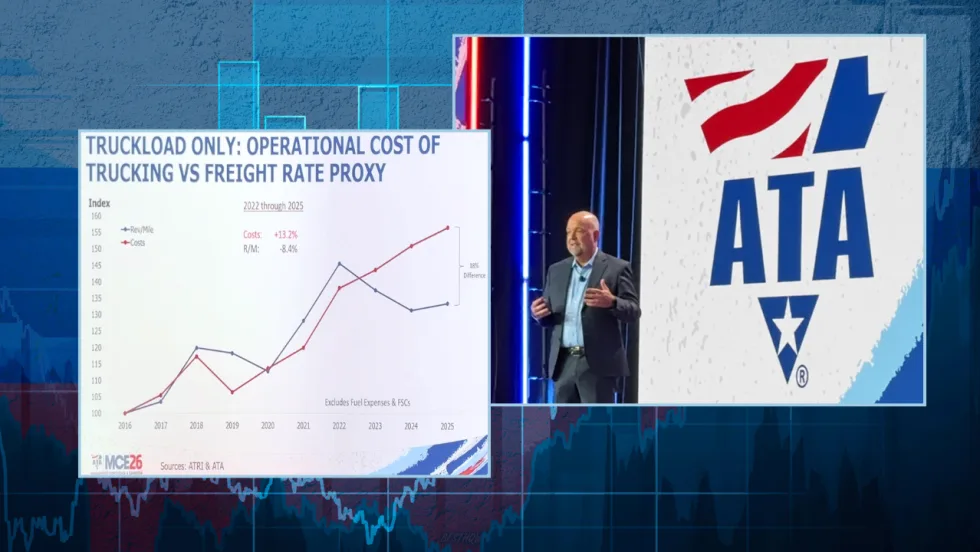
Why This Trucking Recovery Is Different
Freight demand remains sluggish, but rising costs and tougher enforcement have taken enough capacity out of the market to change the outlook for motor carriers.
Read More →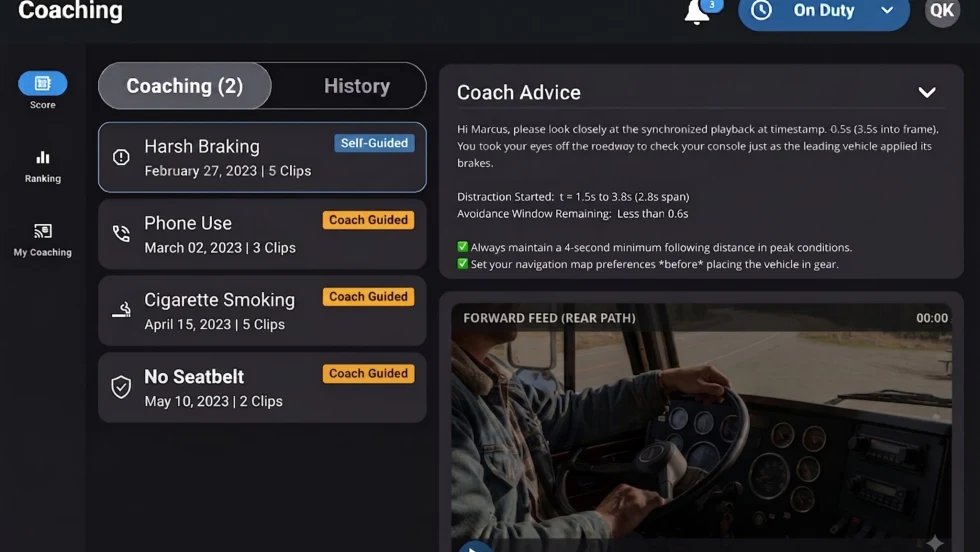
Platform Science Adds Dispatch and Safety Tools
Four additions to PS Fleet help fleets monitor loads, manage driver coaching, share truck locations and adjust video system settings.
Read More →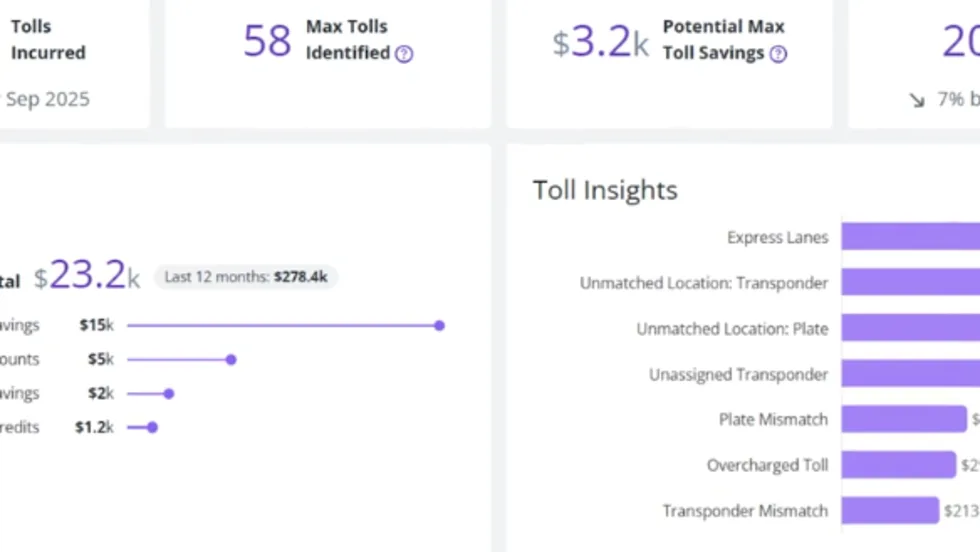
PrePass Intelligence Mines Fleet Bypass, Toll and Safety Data
PrePass Intelligence helps fleets measure bypass savings, flag potential toll overcharges, and spot suspicious transactions by combining data from separate systems.
Read More →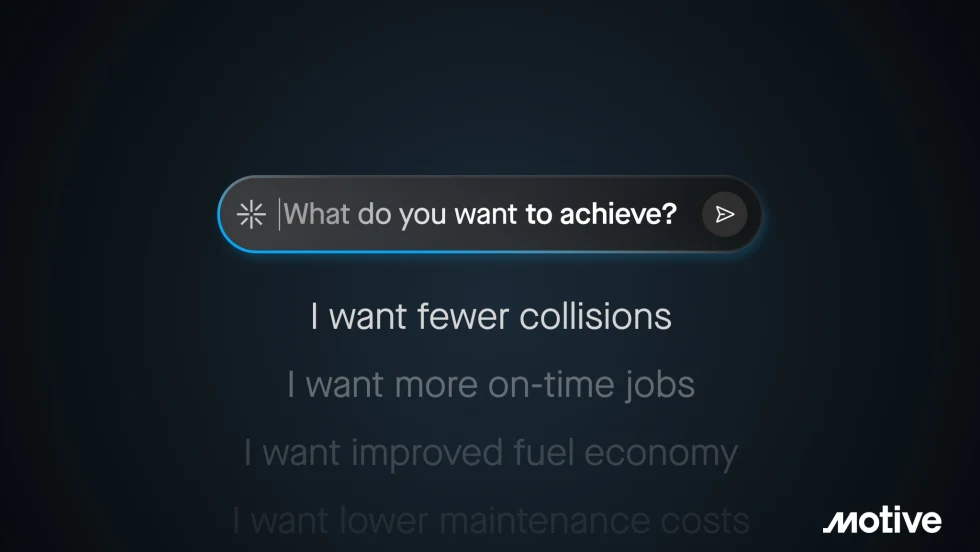
Motive Adds AI Agents for Fleet Operations
New tools automate follow-up on fleet data, from maintenance work orders to driver alerts, with two-way voice conversations planned for later this year.
Read More →
Can You Beat Our Trucking Trivia Challenge?
Test your truck knowledge with 19 trivia questions from Heavy Duty Trucking Exchange. Can you keep up with the fleet pros?
Read More →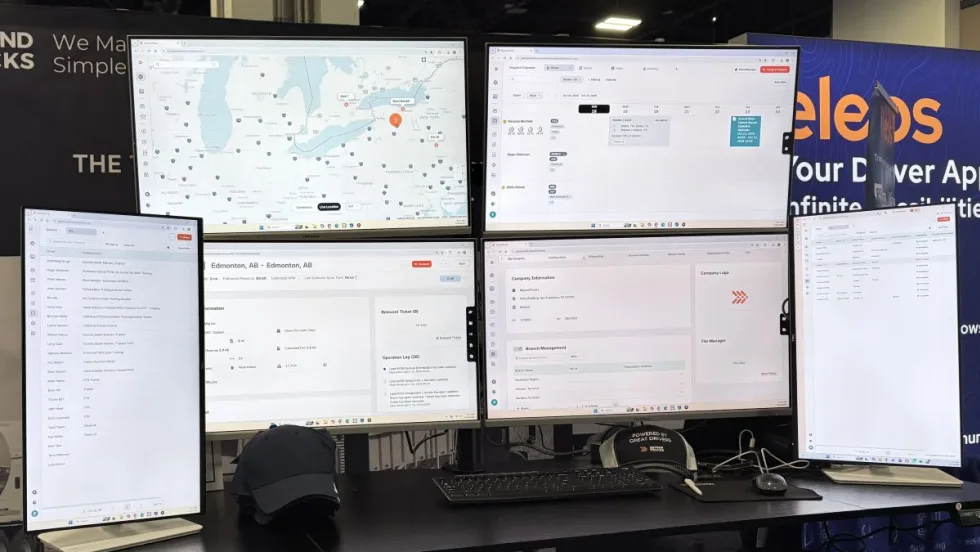
BeyondTrucks Adds Rules Checks to Dispatch
New Compatibility Engine checks driver qualifications, equipment requirements and fleet policies before loads are dispatched.
Read More →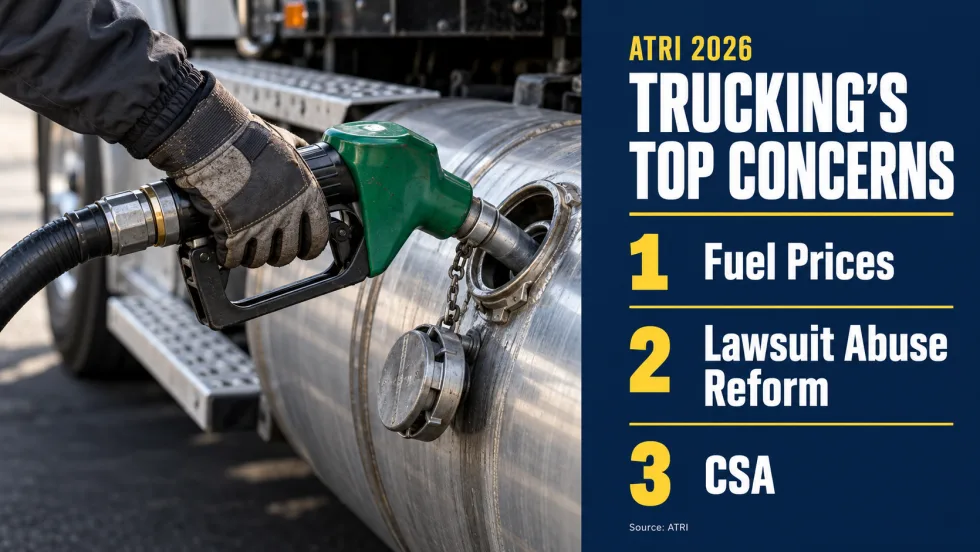
Diesel Prices Hijack Trucking’s Worry List
ATRI’s annual survey finds cautious optimism about freight, but diesel costs, litigation, and insurance continue to squeeze fleets. Drivers have different priorities on several issues.
Read More →
Nomination Deadline Extended for HDT Emerging Leaders
Just a few more days to nominate accomplished trucking fleet professionals under 40 who are making an impact and helping lead the industry forward for the HDT Emerging Leaders award. Deadline extended to October 20!
Read More →
What Will ATA’s New Leader Bring to Trucking's Table?
Incoming President and CEO Mark Colson’s record in Alabama offers clues about his priorities and approach following Chris Spear’s abrupt departure as the head of the American Trucking Associations.
Read More →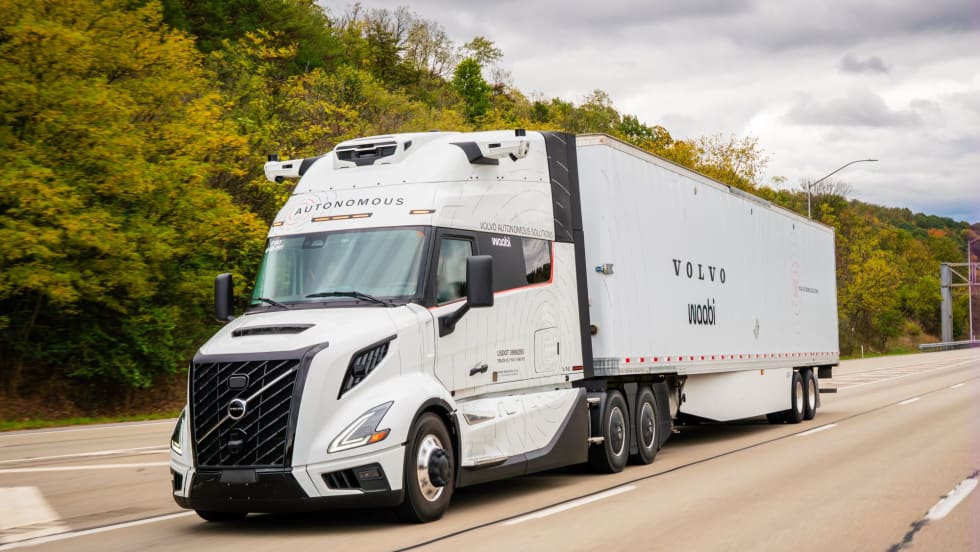
Volvo, Waabi Start Commercial Autonomous Operations in Texas
Volvo VNL Autonomous trucks, powered by the Waabi Driver, are hauling freight directly to third-party facilities for a customer in Texas.
Read More →