




Daimler Truck Plans to Create Nationwide Truck Charging Network
Daimler Truck North America, NextEra Energy Resources and BlackRock Renewable Power plan to pool their resources to build a network of charging sites on critical freight routes by 2026.

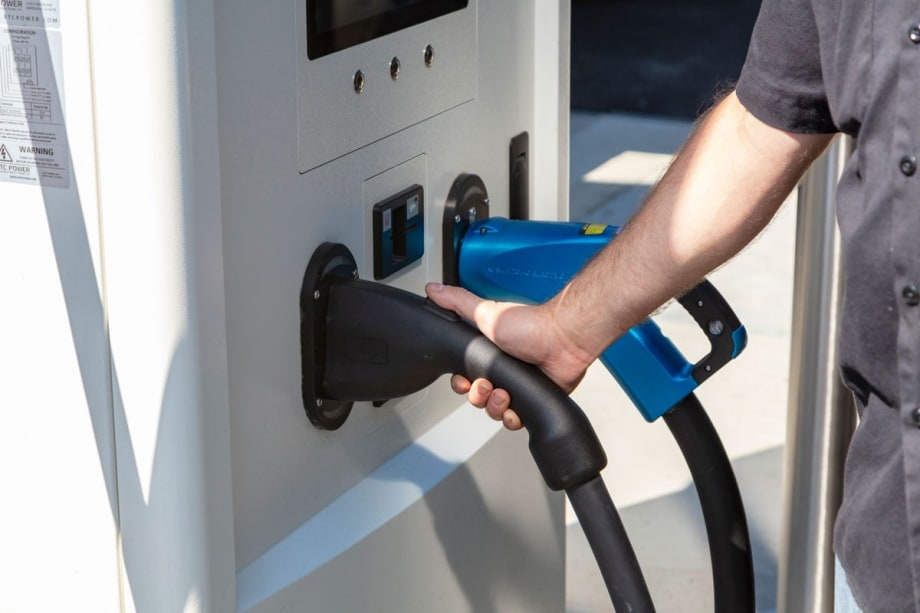
A new joint venture is planning a network of electric-truck charging stations, like Daimler Truck North America's Electric Island facility shown.
Photo: DTNA
Daimler Truck North America is laying the foundation to form a joint venture to design, develop, install and operate a nationwide, high-performance charging network for medium- and heavy-duty battery-electric and hydrogen fuel cell trucks in the U.S.
Lack of a publicly available, nationwide electric charging infrastructure for commercial vehicles, especially those used for long-haul freight operations, remains one of the biggest barriers for widespread deployment of electric trucks, DTNA officials said.
Together with renewable energy generator NextEra Energy Resources and renewable power equity investment platform BlackRock Renewable Power, the three parties will pool their resources to address this challenge. They plan to build a network of charging sites on critical freight routes along the east and west coasts and in Texas by 2026, building on existing infrastructure and amenities while adding complementary greenfield sites to fulfill anticipated customer demand. The first phase is set to begin construction in 2023.
DTNA’s goal is to start operations later this year. Initial funding is expected to be approximately $650 million divided equally among the three parties.
The initial focus will be on battery electric medium- and heavy-duty vehicles, followed by hydrogen fueling stations for fuel cell trucks; the sites will also be available for light-duty vehicles to serve the greater goal of electrifying mobility.

Photo: DTNA
"Our joint investment will act as a catalyst to make a carbon-neutral trucking industry a reality,” John O'Leary, president and CEO DTNA, said. “This project is a critical step toward developing a sustainable zero-emission vehicle ecosystem across North America, and we look forward to including additional partners as it progresses. We are committed to providing access to this network not only for the DTNA vehicle brands, but also for any manufacturers using predominant industry charging standards and communication protocols."
More Fuel Smarts
Trucking’s Diesel Squeeze Isn’t Letting Up
With diesel topping $6 a gallon nationally, ATA's Bob Costello explains why fleets should prepare for continued pressure at the pump.
Read More →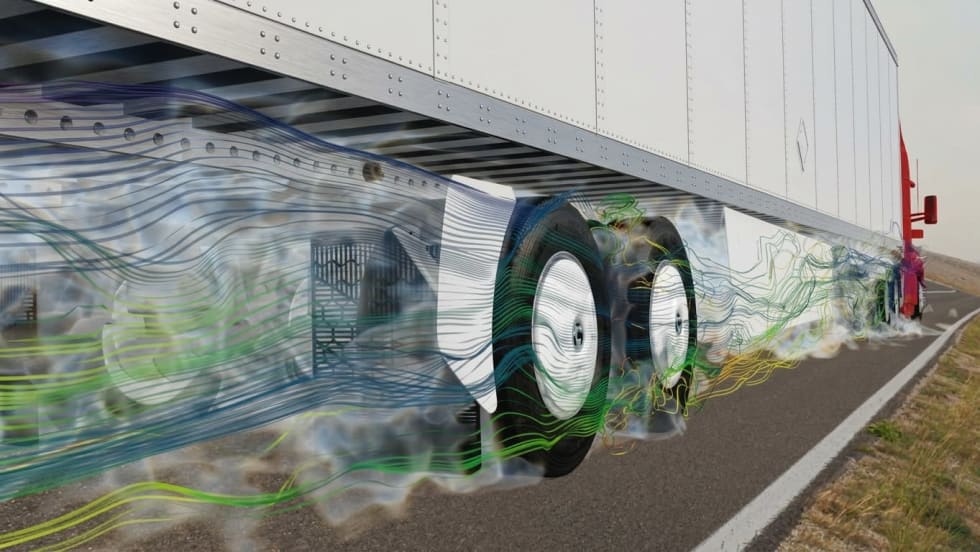
FlowBelow Redesigns Trailer AeroSlider to Cut Fuel Use
The lighter trailer aerodynamic system installs in less than 45 minutes, according to the company, with potential payback in under a year depending on fuel prices and trailer mileage.
Read More →
Why Diesel Price Relief Efforts May Fall Short
Diesel prices have eased from September’s record high, but doubts about additional Russian supply and limits on dyed-diesel tax relief mean trucking fleets still face expensive fuel. And prices could go higher.
Read More →
Why Small Fuel Savings Matter in Trucking
Can better fuel economy help pay for driver raises? In this podcast, GP Transco explains how small efficiency gains create room to reinvest in its people.
Read More →
How GP Transco Cuts Trucking Fuel Costs, a Tenth of a Gallon at a Time
What’s another tenth of a mile per gallon worth? GP Transco shares how equipment upgrades and driver coaching turn small gains into meaningful fuel savings.
Read More →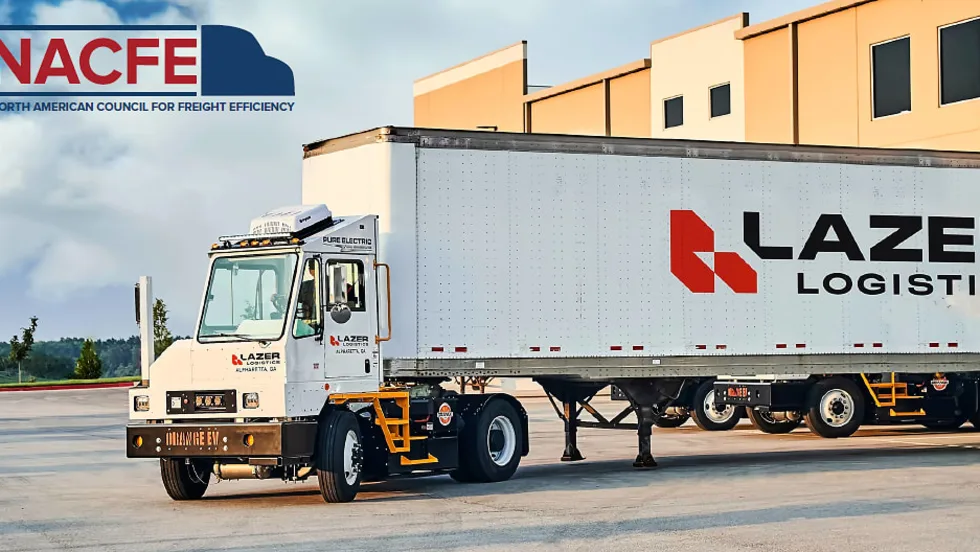
Electric Yard Tractors Move Beyond Pilots
Operating-cost savings have overtaken sustainability goals as the leading reason surveyed fleets are adopting battery-electric terminal tractors, according to new NACFE research.
Read More →
Geotab Links Fleet Card to Vehicle Data
The new card combines fuel discounts with telematics-based purchase controls. Geotab’s analysis also points to potential savings from choosing lower-priced fuel stops.
Read More →
Fleet Economics Shape Electric Truck Outlook
ACT Research expects costs, charging infrastructure, and technology improvements to drive zero-emission commercial vehicle adoption as federal regulations and incentives retreat.
Read More →
Wex Adds Cardless Fuel Payments for Over-the-Road Customers
A new fuel card feature for Wex customers offers convenience and security.
Read More →
New California Law Could Shed Light on Electric Truck Prices
Why do battery-electric Class 8 trucks remain so expensive? A California bill signed by Gov. Gavin Newsom would give fleets and state agencies more visibility into what manufacturers charge.
Read More →