




Driver Shortage Moves Beyond Truckload; Worst Yet to Come
Driver turnover, a problem that has traditionally plagued longhaul, irregular-route truckload fleets, is now affecting every type of fleet in the industry – and it's only going to get worse, according to industry analysts at investment advisory firm Stifel.


Stifel's John Larkin says that the driver shortage is now affecting less-than-truckload, private fleets and other industry sectors. Photo: Southeastern Freight Lines.

Stifel's John Larkin says that the driver shortage is now affecting less-than-truckload, private fleets and other industry sectors.Photo: Southeastern Freight Lines.
Driver turnover, a problem that has traditionally plagued longhaul, irregular-route truckload fleets, is now affecting every type of fleet in the industry – and it's only going to get worse.
That's one of the takeaways from the annual "Shaking the Sand Out" overview of the transportation industry from Stifel Transportation & Logistics Equity Research.
"The big issue is drivers, drivers and drivers," said John Larkin, Stifel managing director, in the Monday morning conference call. "It's not clear there's any easy answer to this problem; it's not clear that taking driver pay up will solve the problem as you would think from Econ 101. So it's going to be very interesting to see how this develops, especially as FMCSA and other agencies make it more difficult for people to become drivers or for existing drivers to become more productive."
In fact, despite reports indicating very tight capacity, Larkin says the real driver-driven capacity crunch may come in the 2016-2017 time frame when the electronic log mandate is expected to go into effect, along with an expected regulation requiring speed limiters.
"It may be quite difficult for some companies that are not compliant to survive economically," Larkin said, "so that could be a big drag on capacity. The small carriers are certainly struggling, with older fleets, the regulatory burden, and stretched balance sheets."
Meanwhile, he said, the high-tech systems that large carrier operations are integrating into their operations are helping with productivity. "They're not only able to select the best load today, but also to look into the future and optimize production for a truck for its 7 or 10 day run," which is improving yield and reducing empty miles.
In the next decade, he said, longer combination vehicles and heavier trucks could help alleviate the driver problem, "if we can ever get over the hurdles in Washington. "And perhaps driverless trucks at some point may ultimately be the answer to the driver shortage. But that's 15, 20, 25 year away before any possibility of solving the driver shortage through the use of [that] technology."
More Drivers

Platform Science Adds Dispatch and Safety Tools
Four additions to PS Fleet help fleets monitor loads, manage driver coaching, share truck locations and adjust video system settings.
Read More →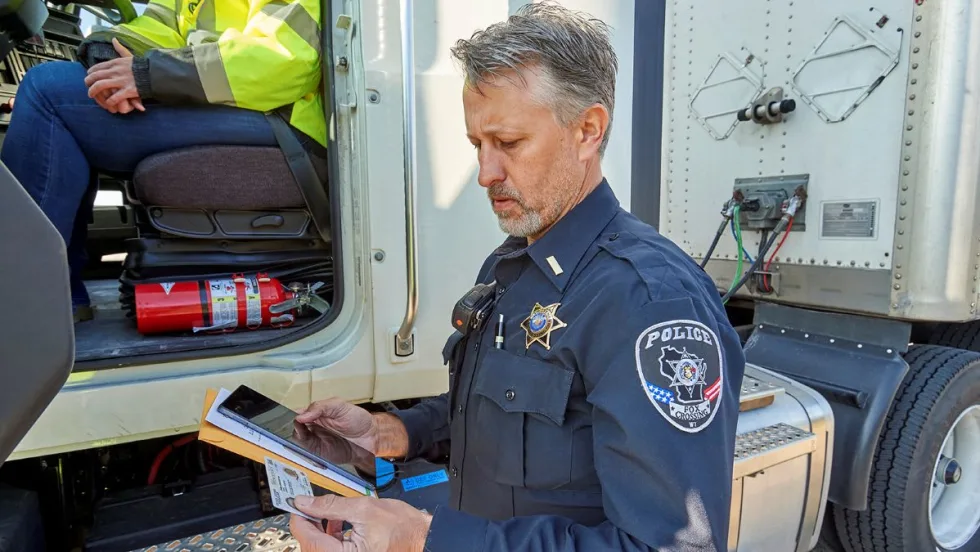
When Language Stops the Truck: The Return of ELP Out-of-Service Orders
English language proficiency rules for commercial drivers aren’t new, but renewed out-of-service enforcement has raised the stakes. Here’s what carriers need to know before a driver reaches a roadside inspection.
Read More →
Samsara Launches Custom AI Agent Builder
Agent Studio lets fleets create AI tools for hours-of-service monitoring, reporting and driver support, including agents that communicate by phone.
Read More →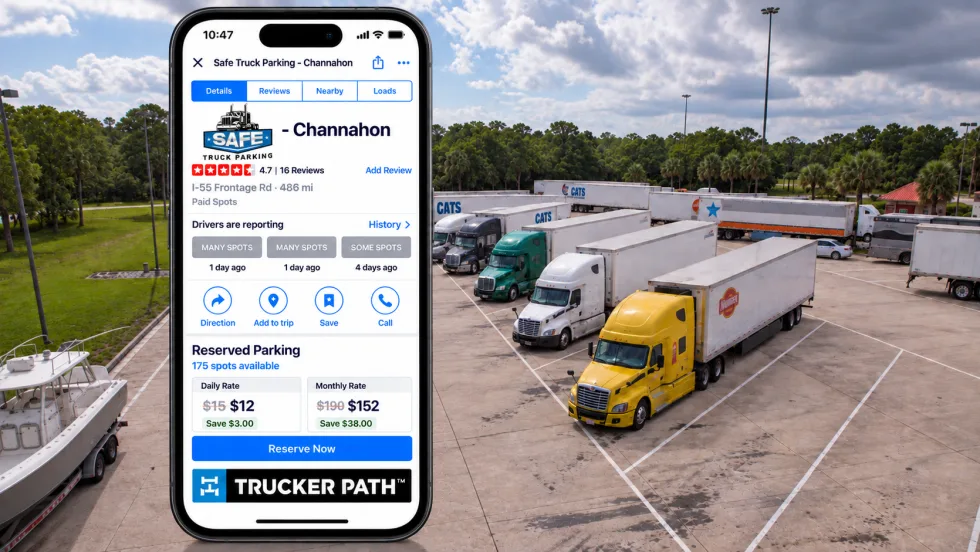
Trucker Path Expands Reserved Parking Network
Trucker Path has added close to 6,000 more truck parking spaces to its Trucker Path Reserved Parking Network with the addition of Safe Truck Parking.
Read More →
EEOC Sues Texas Trucking Company Over Driver Age Limits
The agency says Trancasa USA rejected applicants over 65 and applied tougher driving-record standards to those over 60.
Read More →
Nussbaum, Roehl Announce Second Driver Pay Increase This Year
This year has seen a swath of major truck driver pay increases as freight capacity has tightened.
Read More →
From One Generation to the Next: How Mentorship Builds Safer Truck Drivers
After three decades in trucking, Harold Perry shares what he's learned about driver safety, mentorship, and helping the next generation build confidence behind the wheel.
Read More →
Truck Drivers Need More Than Another Alert
Fleets have more visibility into truck health, safety events, and driver activity than ever. The next challenge is turning all that information into useful guidance for the person who has to decide what to do next.
Read More →
FMCSA Removes 110 Truck Driver Training Schools from Certified ELDT List
Federal regulators also are targeting more than 160 additional training providers and launching a nationwide audit of third-party CDL skills testers as part of a broader crackdown on trucking fraud.
Read More →
Hours of Service Pilot Programs: FMCSA Readies for 2027 Rollout
Two pilot programs could eventually reshape hours-of-service rules, giving truck drivers options to pause their 14-hour clock or use longer split sleeper rest periods.
Read More →