




Driver Error Key in Fatal School Bus Crash, NTSB Finds
A fatal collision between a school bus and a truck probably was caused by the bus driver’s mistake and made more severe by the truck being overweight and speeding, said the National Transportation Safety Board.

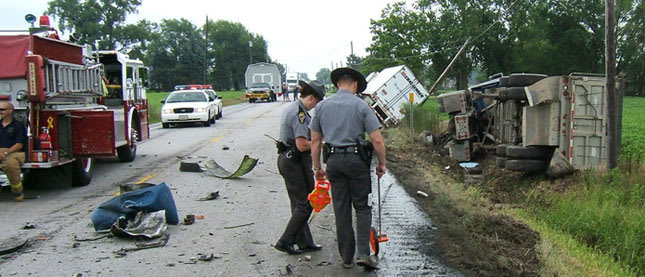

A fatal collision between a school bus and a truck probably was caused by the bus driver’s mistake and made more severe by the truck being overweight and speeding, said the National Transportation Safety Board.
Killed in the February 2012 crash near Chesterfield, N.J., was 11-year-old Isabelle Tezsla, a daughter of Sgt. Anthony Tezsla of the New Jersey State Police. Fifteen other children, including Isabelle’s triplet sisters, were injured.
The crash might have been less severe, or prevented altogether, if the truck had been equipped with an onboard weighing system and if both vehicles were linked by early warning technologies that are now being tested, the board said.
The bus driver stopped at an intersection but failed to see the oncoming truck, which had the right-of-way, as he started to cross.
The truck struck the bus behind its left rear axle, spinning it around and driving it into a pole. Children who were not restrained by seat belts were thrown about the rear of the bus.
In its preliminary analysis, the board said several factors contributed to the bus driver’s error.
He was fatigued from acute sleep loss and chronic sleep debt, and impaired by side effects from prescription medications.
Also, he had not disclosed details about his medical history on his examination form, and his medical examiner did not do a thorough evaluation.
Had he been forthcoming and if the examiner had been thorough, he probably would not have been cleared to drive, the board said.
The truck, operated by Herman’s Trucking, was a 2004 Mack pulling a loaded roll-off dump container. It was overweight, a fault for which the board blamed both the driver and the company.
The board said the driver should have checked the weight and the company should have made sure he took a route that passed a local weigh station.
In addition, the truck’s brakes were defective: its lift axle brake system had not been properly installed, the board said.
The board is recommending that the Federal Motor Carrier Safety Administration ensure that medical examiners are versed in pharmacology.
It also suggested that the National Highway Traffic Safety Administration require onboard weighing systems for trucks rated at 10,000 pounds or more.
And it recommended that once ongoing research on connected vehicle systems is done and standards are developed, the agency require these systems on all new vehicles.
The research, being done by federal, state and private partners, is looking at wireless systems that can give drivers early warning of dangers that lie ahead.
The board also recommended that Herman’s Trucking develop routing procedures to prevent overloading, and that the National Truck Equipment Association tell its members to be sure their lift axle brake installations are done correctly.
NTSB is an independent agency that investigates crashes and makes recommendations to improve safety. It does not write rules, but its recommendations frequently signal the direction the rule-writing agencies will take.
More Fleet Management
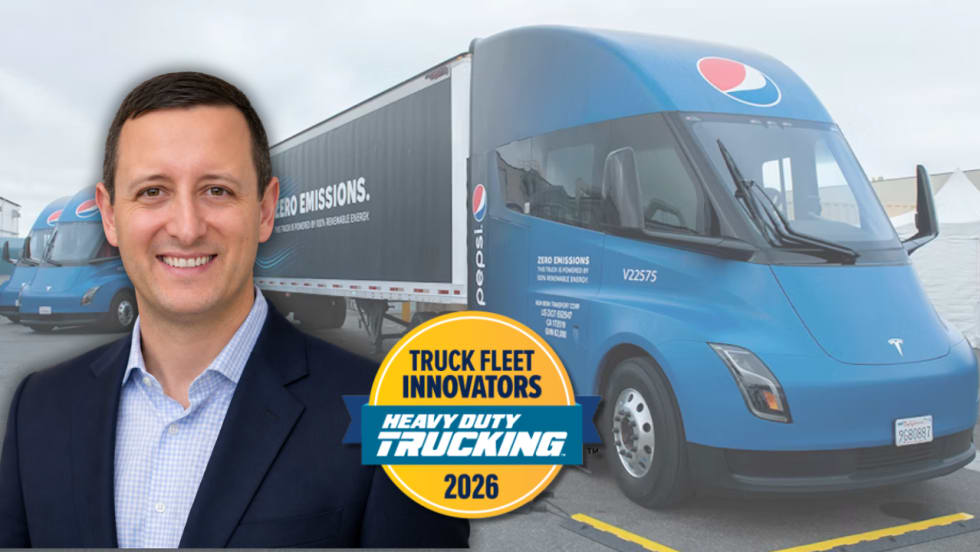
Adam Buttgenbach’s Approach to Electric Trucks: Start With Where They Fit
HDT Truck Fleet Innovator Adam Buttgenbach helped PepsiCo build one of North America’s largest EV fleets by focusing on where electric trucks make operational sense.
Read More →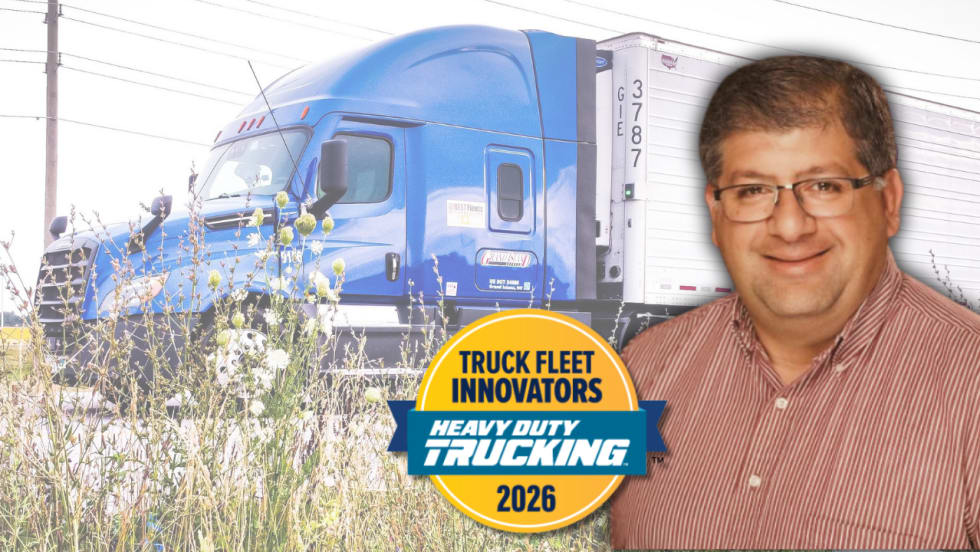
Deen Albert: Let Automation Do the Math, People Make the Decisions
HDT Truck Fleet Innovator Deen Albert makes sure people are still at the heart of operations at Grand Island Express, even while adopting artificial intelligence tools. AI-assisted dispatch helped boost revenue 25% with the same number of trucks.
Read More →
Trimble’s New AI Agent Takes Aim at Fleet Back-Office Busywork
Arc Agent works across Trimble TMS products to automate repetitive tasks such as freight orders, maintenance, invoices, fuel costs and more.
Read More →
How HDT’s 2026 Truck Fleet Innovators Are Rethinking Fleet Operations
Meet five trucking leaders who are challenging assumptions, solving operational problems, and putting innovative ideas to work.
Read More →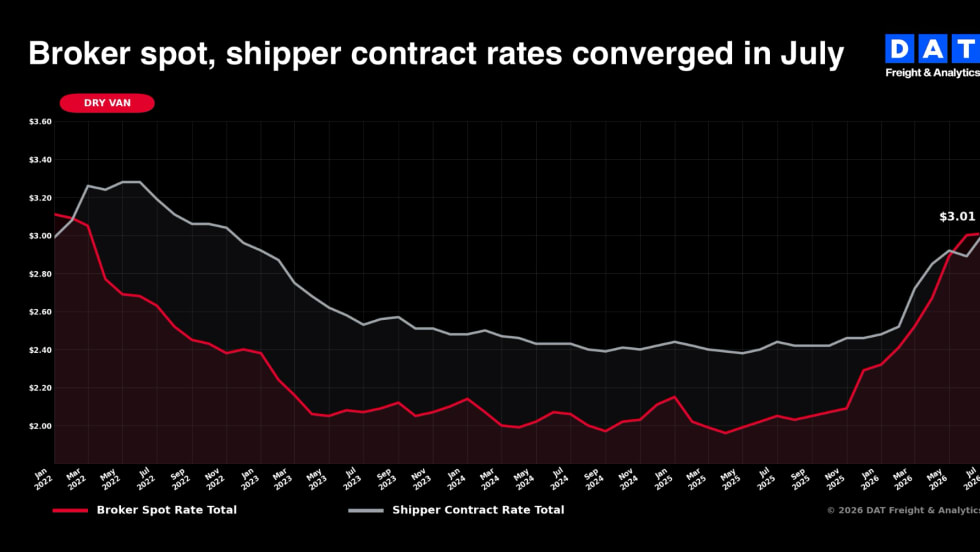
Tight Trucking Capacity Pushes Rates Higher Even as Freight Volumes Fall
“Spot rates moving ahead of contract rates have historically signaled a tightening market, but we haven’t seen a capacity-driven market quite like this one,” said DAT's Dean Croke.
Read More →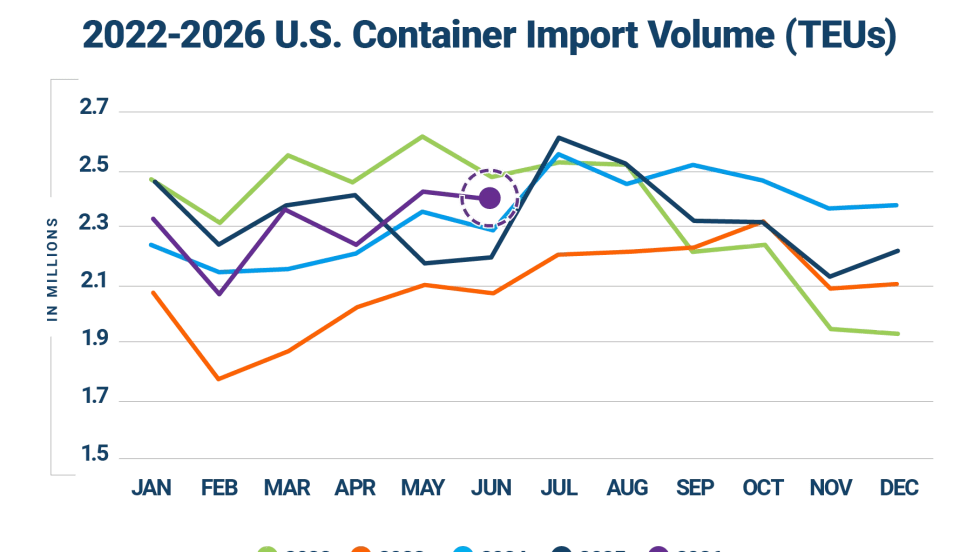
Import Cargo’s Early Peak Season is Winding Down
There was an early start to peak season this year at the nation's gateway ports, as retailers brought in merchandise ahead of tariff changes in late July and responded to other supply chain uncertainties,
Read More →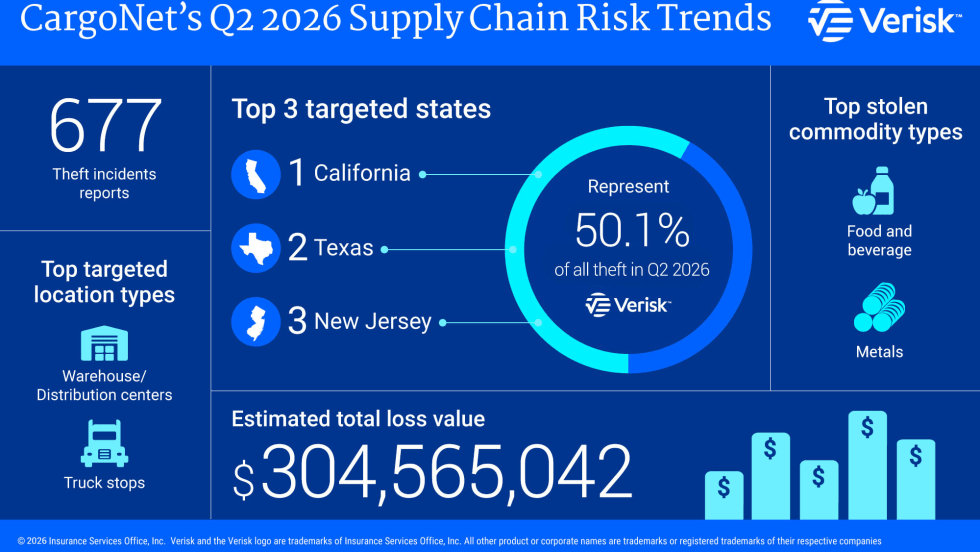
Fewer Cargo Thefts, Bigger Losses: Criminals Target Higher-Value Loads
CargoNet says organized theft rings are stealing fewer shipments but choosing more valuable freight, including metals and technology, resulting in record losses.
Read More →
How Innovative Trucking Leaders Turn Change Into an Advantage
As the pace of change accelerates in trucking, the fleets that adapt best have more than the latest technology. They have cultures that embrace improvement.
Read More →
Freight Broker Bonds Just Got Harder to Get. Here's What That Means for Your Fleet.
When it gets harder for a freight broker to prove they are financially sound, the ones who cannot clear that bar get pushed out of the market. And those are exactly the brokers who used to leave motor carriers holding the bag.
Read More →
Long-Awaited Canadian Border Bridge to Open in Detroit
For trucking, the bridge opening should offer immediate improvements in efficiency and reliability, with new customs facilities, expanded inspection capacity, and direct freeway-to-freeway connections.
Read More →