




DOT's New Sample Bill Encourages States to Ban Texting
The U.S. Department of Transportation has released a sample bill for state legislatures to use when prohibiting texting while driving
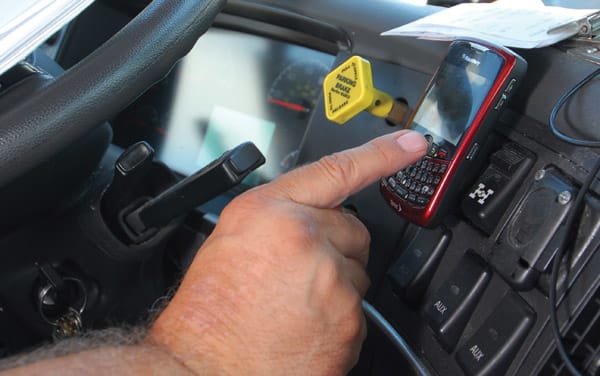
The language of the sample bill calls for a ban on texting while operating a motor vehicle on the travel portion of public streets, roads and highways. (Photo by Jim Park)
The U.S. Department of Transportation has released a sample bill for state legislatures to use when prohibiting texting while driving.
"While there are many sources of driver distraction, there is heightened concern regarding the risks of texting-while-driving," the sample law said. "The act of composing, sending or reading text messages interrupts drivers' cognitive attention, causes vision to be directed away from the road, and compromises manual control of the vehicle."
As part of its effort to combat distracted driving, the DOT hopes the sample language will provide states with a starting point for enacting laws addressing cell phone use and/or texting while driving.
As of the end of 2009, 19 states and the District of Columbia had laws banning texting while driving. The DOT hopes the sample law will encourage states to take action on the issue, given the attention the issue has been getting.
"This partnership should make it easier for the 31 states that have not already banned texting behind the wheel to get their acts together and get on board," said Transportation Secretary Ray LaHood in his official blog.
According to LaHood, the DOT worked with safety organizations to craft the language of the sample bill, including Advocates for Highway and Auto Safety, Association of Motor Vehicle Administrators, American Association of State Highway and Transportation Officials, AAA, Governors Highway Safety Association and the National Safety Council, to name a few. The agency has also made the move with the support of the wireless and automobile industries, he said.
The sample law basically bans texting while operating a motor vehicle on the travel portion of public streets, roads and highways. The sample law would not apply to law enforcement, fire service or emergency medical services professionals. It would also not be enforced when reporting an emergency or criminal or suspicious activity to law enforcement or when receiving messages related to the operation or navigation of a motor vehicle, safety-related information, or data used primarily by the motor vehicle. It would not be applied to radio or the use of a device or system for navigation purposes. Other wireless interpersonal communication that does not require manual entry would also be exempt.
On the first offense, drivers would be subject to a minimum fine of $75 and action against driving privileges. For a subsequent offense, the sample bill says penalties should rise in accordance with the state's motor vehicle and traffic laws. If an offense results in death or injury, the violation should increase to a felony.
The language of the sample bill is based on current circumstances, so it may be "revised in the future to incorporate new research findings, address evolving technologies, or to harmonize with other legislation."
To access the sample bill, click here.
More Drivers

From One Generation to the Next: How Mentorship Builds Safer Truck Drivers
After three decades in trucking, Harold Perry shares what he's learned about driver safety, mentorship, and helping the next generation build confidence behind the wheel.
Read More →
Truck Drivers Need More Than Another Alert
Fleets have more visibility into truck health, safety events, and driver activity than ever. The next challenge is turning all that information into useful guidance for the person who has to decide what to do next.
Read More →
FMCSA Removes 110 Truck Driver Training Schools from Certified ELDT List
Federal regulators also are targeting more than 160 additional training providers and launching a nationwide audit of third-party CDL skills testers as part of a broader crackdown on trucking fraud.
Read More →
Hours of Service Pilot Programs: FMCSA Readies for 2027 Rollout
Two pilot programs could eventually reshape hours-of-service rules, giving truck drivers options to pause their 14-hour clock or use longer split sleeper rest periods.
Read More →
Medical Cards, English Proficiency Reshape Roadcheck Violations
Medical-card violations jumped to the top of the driver out-of-service list during CVSA’s 2026 International Roadcheck, while English-language proficiency violations appeared among the leading violations for the first time.
Read More →
Driver Trust Can Make or Break the Success of Fleet Safety Technology
New Teletrac Navman research suggests that onboarding, transparency about driver data, and positive feedback can play a significant role in how commercial drivers respond to safety and coaching technology.
Read More →
EEOC Sues KLLM Over Alleged Sex Discrimination in Driver Training
KLLM is facing a federal sex-discrimination lawsuit over policies the EEOC alleges put female truck driver trainees at a disadvantage.
Read More →
FMCSA Moves to Codify English Language Requirements for Commercial Drivers
By changing regulations on English-language proficiency requirements for commercial drivers, rather than relying on a guidance memo, the FMCSA said future administrations won't be able to walk back the Trump administration's stricter enforcement with just a memo.
Read More →
Drivers Put Western Star Trucks to the Test at Star Nation Experience
Watch to get an inside look at the Western Star trucks, technology, and community behind the Star Nation Experience 2026!
Read More →
Trump Administration Looks to Put More Veterans Behind the Wheel
The Freedom Haulers program pulls together existing and expanded programs at several federal agencies to recruit veterans to drive commercial heavy-duty trucks and cut the red tape for them to get a CDL, training, and employment.
Read More →