




DOT Wants Sleep-Apnea Data
A DOT data-collection request could be first step toward federal regulation of the testing and treatment of truck drivers for obstructive sleep apnea.


Photo: Volvo Group

Photo: Volvo Group
A Department of Transportation data-collection request on the prevalence of obstructive sleep apnea (OSA) among truck drivers and other transportation workers – as well as the potential impact of any future OSA-related regulatory actions – has been filed with the White House Office of Management and Budget.
Issued jointly by the Federal Motor Carrier Safety Administration and the Federal Railroad Administration as an Advance Notice of Proposed Rulemaking, a.k.a. a “pre-rule,” the request could be the first step toward federal regulation of the testing and treatment of truck drivers and others for the sleep disorder. Sleep apnea is often viewed as a safety concern because it can cause general fatigue and result in drowsy driving.
The pre-rule (RIN 2126-AB88), titled “Evaluation of Safety Sensitive Personnel for OSA,” specifically seeks “data and information concerning the prevalence of moderate-to-severe obstructive sleep apnea among individuals occupying safety sensitive positions in rail and highway transportation.”
The agencies are also requesting information about the potential economic impact and safety benefits associated with “regulatory actions that would result in transportation workers in these positions, who exhibit multiple risk factors for OSA, undergoing evaluation by a healthcare professional with expertise in sleep disorders, and subsequent treatment.”
The OSA rulemaking process was initiated on Oct. 1, prompted by an administrative decision. The date for publication in the Federal Register is projected to be January 11.
This is not the first time FMCSA has commented on OSA. The agency’s own Medical Review Board began issuing recommendations back in 2000 on the screening, diagnosis, treatment and monitoring of truckers afflicted with sleep apnea.
The current pre-rule activity is in line with legislation passed by Congress in 2013 that instructs FMCSA on the regulatory approach it must take regarding OSA.
That law does not require the agency to issue any sleep-apnea policy or regulation. Rather, the bill states that no policy can be issued without the agency first conducting a thorough analysis of the prevalence of OSA among commercial drivers; the range of possible actions to address the problem; and the costs and benefits that may result.
More About Sleep Apnea
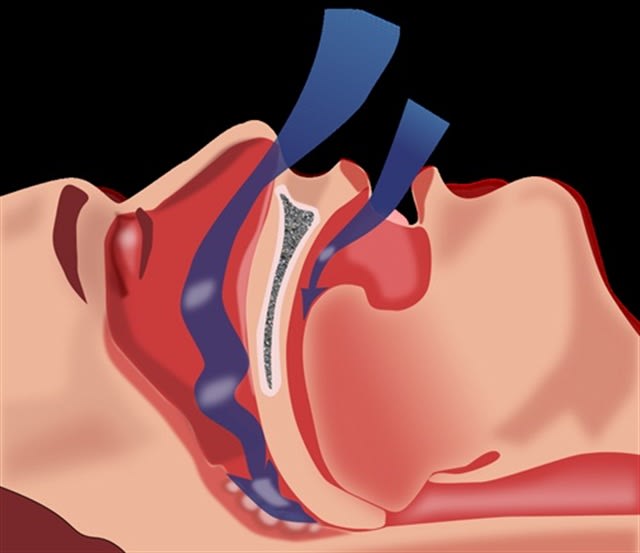
According to the National Institutes of Health, sleep apnea is a common disorder, usually chronic, in which a person has one or more pauses in breathing or takes shallow breaths while asleep. The breathing pauses can last from a few seconds to minutes and may occur 30 times or more an hour. Typically, normal breathing then starts again, sometimes with a loud snort or choking sound.
The condition disrupts sleep in such a way that the sufferer will move out of deep and light sleep. That results in poor-quality sleep, which makes for daytime fatigue and excessive daytime sleepiness.
The most common type is OSA, which is distinguished by the airway collapsing or becoming blocked during sleep. “When you try to breathe, any air that squeezes past the blockage can cause loud snoring,” states NIH. “Obstructive sleep apnea is more common in people who are overweight, but it can affect anyone.”
According to NIH, besides increasing the chance of having a driving or work-related accident, untreated sleep apnea can:
Increase the risk of high blood pressure, stroke, diabetes and obesity
Increase or worsen the risk of heart failure
Make arrhythmias (irregular heartbeats) more likely
The goals of treating sleep apnea are to “restore regular breathing during sleep and to relieve symptoms such as loud snoring and daytime sleepiness.”
While sleep apnea is a chronic condition that requires long-term management, NIH points out that lifestyle changes and/or the use of an oral appliance (“mouthpiece”) may relieve mild sleep apnea.
Those with moderate or severe sleep apnea may need to use CPAP (Continuous Positive Airway Pressure) breathing devices or undergo surgery. A CPAP machine gently blows air into the throat through a mask that fits over the mouth and nose or just over nose. That air pressure helps keep the airway open during sleep.
As to surgery, NIH says the type required and how well it works will depend on the cause of the sleep apnea. Surgery to widen breathing passages usually involves shrinking, stiffening, or removing excess tissue in the mouth and throat or resetting the lower jaw.
NIH notes that physicians diagnose sleep apnea based on taking medical and family histories, conducting a physical exam and reviewing sleep-study results. A primary-care physician may evaluate symptoms first and then decide if a patient needs to see a sleep specialist.
More Drivers

When Language Stops the Truck: The Return of ELP Out-of-Service Orders
English language proficiency rules for commercial drivers aren’t new, but renewed out-of-service enforcement has raised the stakes. Here’s what carriers need to know before a driver reaches a roadside inspection.
Read More →
Samsara Launches Custom AI Agent Builder
Agent Studio lets fleets create AI tools for hours-of-service monitoring, reporting and driver support, including agents that communicate by phone.
Read More →
Trucker Path Expands Reserved Parking Network
Trucker Path has added close to 6,000 more truck parking spaces to its Trucker Path Reserved Parking Network with the addition of Safe Truck Parking.
Read More →
EEOC Sues Texas Trucking Company Over Driver Age Limits
The agency says Trancasa USA rejected applicants over 65 and applied tougher driving-record standards to those over 60.
Read More →
Nussbaum, Roehl Announce Second Driver Pay Increase This Year
This year has seen a swath of major truck driver pay increases as freight capacity has tightened.
Read More →
From One Generation to the Next: How Mentorship Builds Safer Truck Drivers
After three decades in trucking, Harold Perry shares what he's learned about driver safety, mentorship, and helping the next generation build confidence behind the wheel.
Read More →
Truck Drivers Need More Than Another Alert
Fleets have more visibility into truck health, safety events, and driver activity than ever. The next challenge is turning all that information into useful guidance for the person who has to decide what to do next.
Read More →
FMCSA Removes 110 Truck Driver Training Schools from Certified ELDT List
Federal regulators also are targeting more than 160 additional training providers and launching a nationwide audit of third-party CDL skills testers as part of a broader crackdown on trucking fraud.
Read More →
Hours of Service Pilot Programs: FMCSA Readies for 2027 Rollout
Two pilot programs could eventually reshape hours-of-service rules, giving truck drivers options to pause their 14-hour clock or use longer split sleeper rest periods.
Read More →
Medical Cards, English Proficiency Reshape Roadcheck Violations
Medical-card violations jumped to the top of the driver out-of-service list during CVSA’s 2026 International Roadcheck, while English-language proficiency violations appeared among the leading violations for the first time.
Read More →