




DOT Wants Input on Communication Between Vehicles and Highways
The U.S. Department of Transportation's Research and Innovative Technology Administration is looking for input on potential business models for the financing and operation of a nationwide communications network between vehicles and the roadway infrastructure
The U.S. Department of Transportation's Research and Innovative Technology Administration is looking for input on potential business models for the financing and operation of a nationwide communications network between vehicles and the roadway infrastructure.
The input and ideas from private industry, state and local governments, and others will be used to identify candidate models for the deployment of Vehicle Infrastructure Integration. VII will enable the advancement of crash avoidance technologies in vehicles, real-time traffic information to reduce congestion and improve navigational systems, and other technologies that will improve the safety and efficiency of travel.
The DOT notes that 21,000 of the 43,000 deaths annually on America's highways are caused by roadway departure and intersection-related incidents. Building on work previously done in the Intelligent Vehicle Initiative, the Vehicle Infrastructure Integration initiative, or VII, will work toward deploying advanced vehicle-vehicle and vehicle-infrastructure communications that could keep vehicles from leaving the road and enhance their safe movement through intersections.
For instance, data transmitted from the roadside to the vehicle could warn a driver that it is not safe to enter an intersection. Vehicles could serve as data collectors and anonymously transmit traffic and road condition information from every major road within the transportation network. Such information would provide transportation agencies with the information needed to implement active strategies to relieve traffic congestion. A VII consortium has been established to determine the feasibility of widespread deployment and to establish an implementation strategy. The consortium consists of the vehicle manufacturers already involved in the IVI, AASHTO, ten State Departments of Transportation, and the US DOT.
As part of the VII initiative, RITA will conduct an operational field test of deployment-ready technologies at the November Intelligent Transportation Systems World Congress in New York City.
The complete Request for Information is available at www.fbo.gov/index?s=opportunity&mode=form&id=edc11e67892a6a47ce1d586a7072a899&tab=core&_cview=0
More Drivers

EEOC Sues Texas Trucking Company Over Driver Age Limits
The agency says Trancasa USA rejected applicants over 65 and applied tougher driving-record standards to those over 60.
Read More →
Nussbaum, Roehl Announce Second Driver Pay Increase This Year
This year has seen a swath of major truck driver pay increases as freight capacity has tightened.
Read More →
From One Generation to the Next: How Mentorship Builds Safer Truck Drivers
After three decades in trucking, Harold Perry shares what he's learned about driver safety, mentorship, and helping the next generation build confidence behind the wheel.
Read More →
Truck Drivers Need More Than Another Alert
Fleets have more visibility into truck health, safety events, and driver activity than ever. The next challenge is turning all that information into useful guidance for the person who has to decide what to do next.
Read More →
FMCSA Removes 110 Truck Driver Training Schools from Certified ELDT List
Federal regulators also are targeting more than 160 additional training providers and launching a nationwide audit of third-party CDL skills testers as part of a broader crackdown on trucking fraud.
Read More →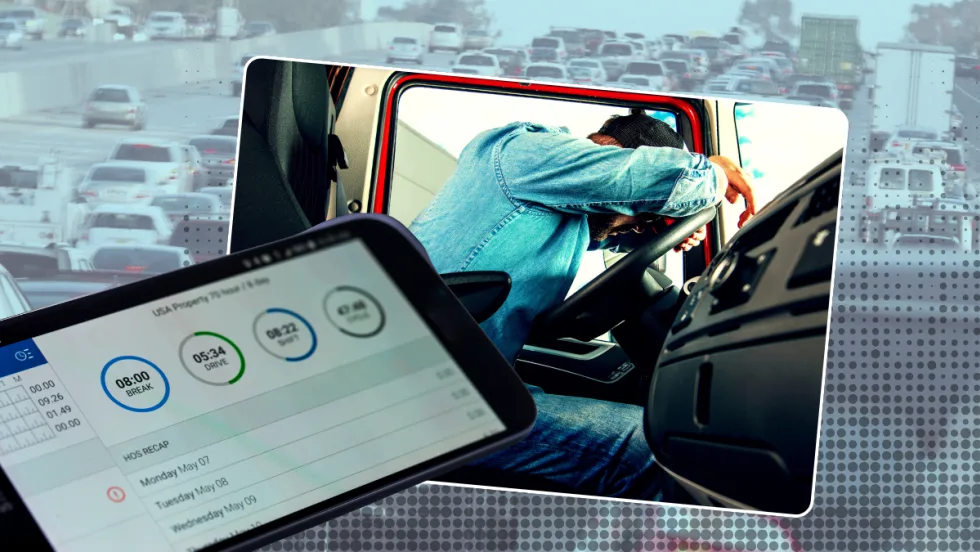
Hours of Service Pilot Programs: FMCSA Readies for 2027 Rollout
Two pilot programs could eventually reshape hours-of-service rules, giving truck drivers options to pause their 14-hour clock or use longer split sleeper rest periods.
Read More →
Medical Cards, English Proficiency Reshape Roadcheck Violations
Medical-card violations jumped to the top of the driver out-of-service list during CVSA’s 2026 International Roadcheck, while English-language proficiency violations appeared among the leading violations for the first time.
Read More →
Driver Trust Can Make or Break the Success of Fleet Safety Technology
New Teletrac Navman research suggests that onboarding, transparency about driver data, and positive feedback can play a significant role in how commercial drivers respond to safety and coaching technology.
Read More →
EEOC Sues KLLM Over Alleged Sex Discrimination in Driver Training
KLLM is facing a federal sex-discrimination lawsuit over policies the EEOC alleges put female truck driver trainees at a disadvantage.
Read More →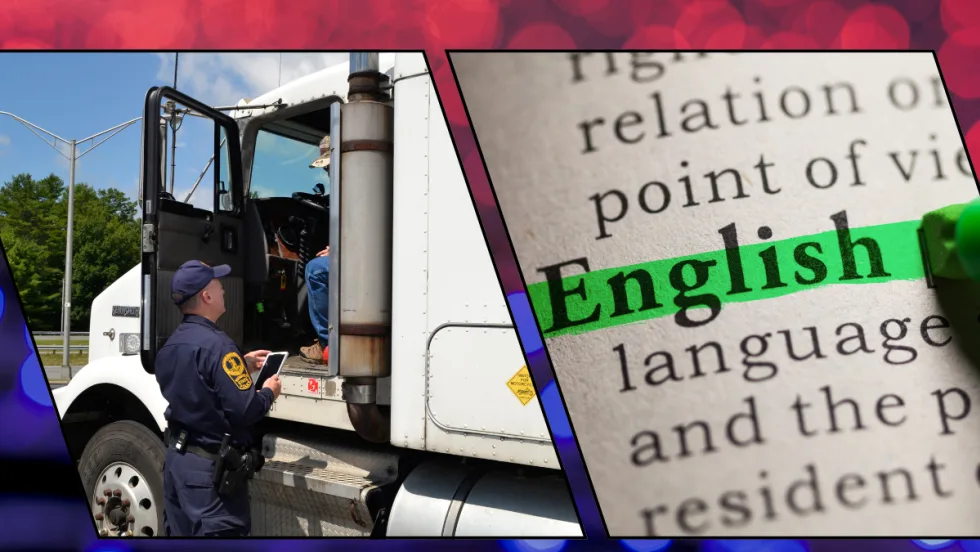
FMCSA Moves to Codify English Language Requirements for Commercial Drivers
By changing regulations on English-language proficiency requirements for commercial drivers, rather than relying on a guidance memo, the FMCSA said future administrations won't be able to walk back the Trump administration's stricter enforcement with just a memo.
Read More →