




DOT Under Attack for Unscrupulous Movers
The General Accounting Office thinks the Transportation Department isn't doing a good enough job of regulating interstate moving companies, a job the Federal Motor Carrier Safety Administration inherited from the now-defunct Interstate Commerce Commission
The General Accounting Office thinks the Transportation Department isn't doing a good enough job of regulating interstate moving companies, a job the Federal Motor Carrier Safety Administration inherited from the now-defunct Interstate Commerce Commission.
The ICC Termination Act of 1995 transferred federal responsibilities for protecting consumers from unscrupulous movers to the Department of Transportation. The Motor Carrier Safety Improvement Act of 1999, which set up the FMCSA in an effort to improve truck safety, also directed the GAO to assess the effectiveness of the DOT's consumer protection activities in the interstate moving industry.
Information the GAO compiled from various federal agencies and industry organizations indicated that the complaints they received generally doubled between 1996 and 1999, and may number several thousand a year.
"The Department of Transportation has provided limited oversight of and has taken little enforcement action in consumer protection issues because this responsibility is a relatively low priority compared with promoting motor carrier safety," reads the report. "Government, consumer organization, and industry officials we contacted believe that the Department's lack of action has created a vacuum that has allowed unscrupulous carriers to flourish and take advantage of consumers."
DOT spokesman David Longo says while "we take these household goods responsibilities very seriously, first and foremost we're a safety agency. Our number one mission is to save lives and reduce injuries by reducing crashes involving large trucks and buses."
Indeed, in the congressional hearings that led up to the formation of the agency, the drumbeat was loud and clear that the number of truck-related fatalities must come down. In fact, then-Secretary of Transportation Rodney Slater vowed to cut the number in half in 10 years.
The GAO report notes that last December, the FMCSA approved plans to increase public education, information collection, and enforcement, among other things. In January, FMCSA expanded the scope of its 24-hour toll-free driver hotline (1-888-DOT-SAFT) to let consumers notify the agency about movers who violate commercial regulations.
Longo says the agency plans to expand its educational efforts in this area, but that plan has not yet been finalized. And while he says prevention is the best medicine, "over the past year or so, we have successfully completed about 30 enforcement activities, including fines, out of service, carriers going out of business and actually jail time for the owners."
The enforcement activities target the unscrupulous fleets, habitual offenders "who believe there is no government watchdog," Longo says. The vast majority of the 3,000 to 4,000 complaints the agency receives each year - furniture being held hostage, overcharging, delays in delivery - are resolved over the phone. "A call from the federal government is normally enough to scare the mover into acting immediately," he says.
The moving industry itself has taken action to try to protect its image from unscrupulous movers. In addition to educational programs, the American Moving and Storage Assn. has set up voluntary certification program for movers.
More Drivers
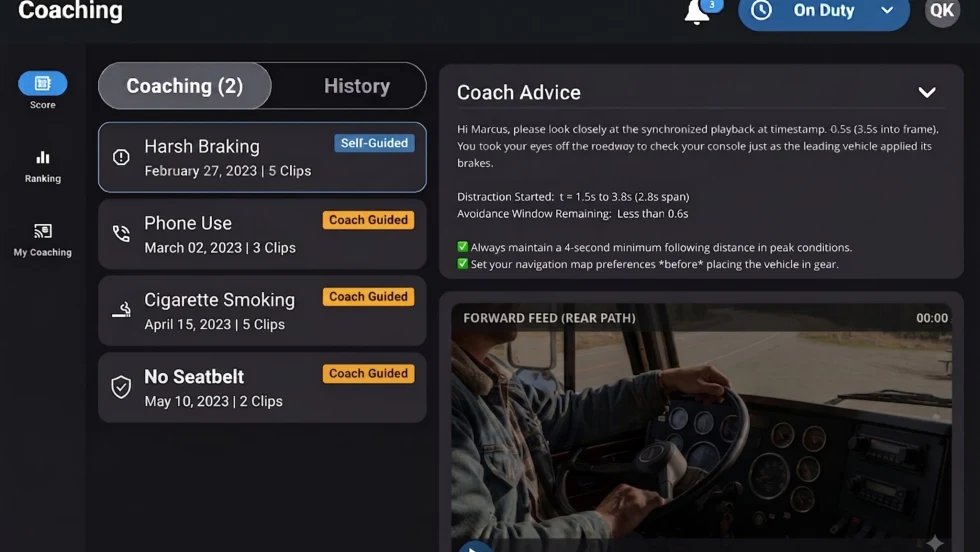
Platform Science Adds Dispatch and Safety Tools
Four additions to PS Fleet help fleets monitor loads, manage driver coaching, share truck locations and adjust video system settings.
Read More →
When Language Stops the Truck: The Return of ELP Out-of-Service Orders
English language proficiency rules for commercial drivers aren’t new, but renewed out-of-service enforcement has raised the stakes. Here’s what carriers need to know before a driver reaches a roadside inspection.
Read More →
Samsara Launches Custom AI Agent Builder
Agent Studio lets fleets create AI tools for hours-of-service monitoring, reporting and driver support, including agents that communicate by phone.
Read More →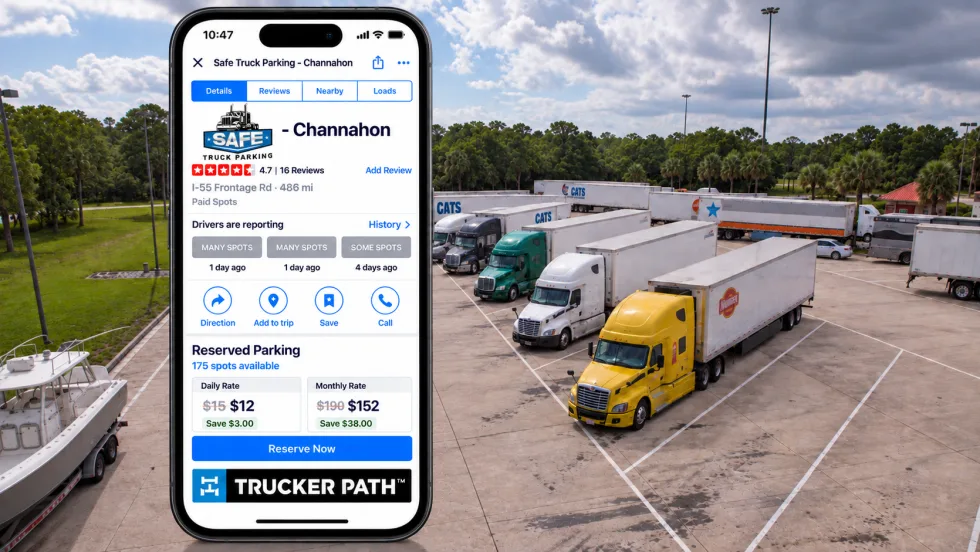
Trucker Path Expands Reserved Parking Network
Trucker Path has added close to 6,000 more truck parking spaces to its Trucker Path Reserved Parking Network with the addition of Safe Truck Parking.
Read More →
EEOC Sues Texas Trucking Company Over Driver Age Limits
The agency says Trancasa USA rejected applicants over 65 and applied tougher driving-record standards to those over 60.
Read More →
Nussbaum, Roehl Announce Second Driver Pay Increase This Year
This year has seen a swath of major truck driver pay increases as freight capacity has tightened.
Read More →
From One Generation to the Next: How Mentorship Builds Safer Truck Drivers
After three decades in trucking, Harold Perry shares what he's learned about driver safety, mentorship, and helping the next generation build confidence behind the wheel.
Read More →
Truck Drivers Need More Than Another Alert
Fleets have more visibility into truck health, safety events, and driver activity than ever. The next challenge is turning all that information into useful guidance for the person who has to decide what to do next.
Read More →
FMCSA Removes 110 Truck Driver Training Schools from Certified ELDT List
Federal regulators also are targeting more than 160 additional training providers and launching a nationwide audit of third-party CDL skills testers as part of a broader crackdown on trucking fraud.
Read More →
Hours of Service Pilot Programs: FMCSA Readies for 2027 Rollout
Two pilot programs could eventually reshape hours-of-service rules, giving truck drivers options to pause their 14-hour clock or use longer split sleeper rest periods.
Read More →