




DOT Slates Public Hearings on Autonomous Vehicle Safety
Secretary of Transportation Anthony Foxx has announced that DOT will hold two public hearings, one in Washington, D.C., and one in California, to get input on “how to best integrate the safe operation of automated vehicles.”

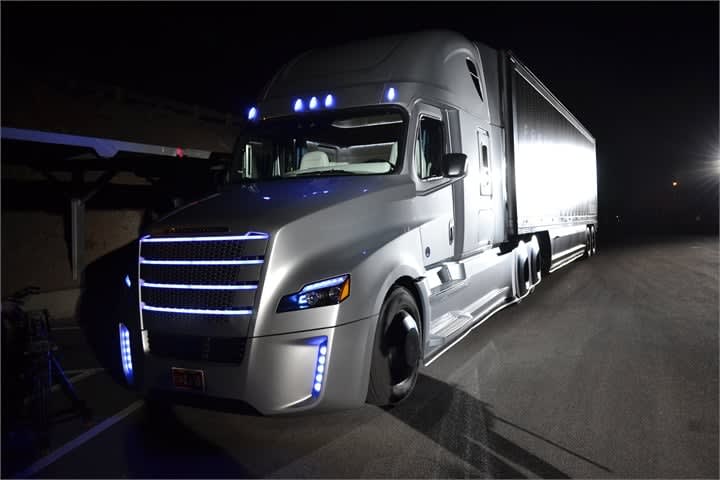
Freightliner Inspriation autonomous truck at its rollout last Spring. Photo: Stephane Babcock
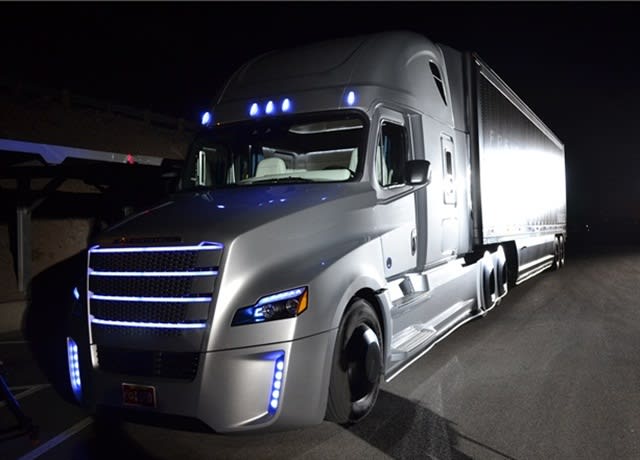
Freightliner Inspriation autonomous truck at its rollout last Spring. Photo: Stephane Babcock
Secretary of Transportation Anthony Foxx announced in a March 11 blog post that DOT will hold two public hearings, one in Washington, D.C., and one in California, to get input on “how to best integrate the safe operation of automated vehicles.”
The first hearing will take place April 8th in Washington; a date for the California event has not been announced.
“The feedback from these meetings will help the National Highway Transportation Safety Administration provide manufacturers with the rules of the road for how we expect automated vehicles to operate safely,” Foxx wrote.
He also advised that NHTSA is “continuing to take other key steps to support the development of new technologies, including working with local and state leaders on model state policy so that we have some overarching safety principles nationwide, and determining what new regulatory tools and authorities may be needed to meet their safety mission in a time of rapidly changing technology.”
In addition, NHTSA has released a Volpe Center report prepared for DOT that identifies potential barriers and challenges for the certification of automated vehicles using existing Federal Motor Vehicle Safety Standards.
Foxx said that the FMVSS “may have to adjust for this new era. The report found that for cars with traditional designs and controls, there are only minimal federal regulatory hurdles; however, there may be greater obstacles for vehicle manufacturers that design cars without controls for human drivers, such as a steering wheel or brake pedals.
“The Volpe Center report underscores the need for the actions we’re taking,” he continued. “It confirms that we need to establish clear expectations for safe deployment, and tells us that NHTSA has more work to do to ensure the safety of new innovations. We look forward to learning more from stakeholders as we start that work.”
Foxx’s blog post does not specifically mention autonomous commercial vehicles.
However, the Volpe report examines numerous autonomous vehicle concepts, including truck platooning and various types of light- and heavy-duty “driverless delivery vehicles” along with a “riderless delivery motorcycle.”
More Fleet Management
Geotab Links Fleet Card to Vehicle Data
The new card combines fuel discounts with telematics-based purchase controls. Geotab’s analysis also points to potential savings from choosing lower-priced fuel stops.
Read More →
How MFA Helps Protect Trucking Fleets
Multi-factor authentication adds protection when passwords are stolen. Here’s how it works and where fleets should start.
Read More →
How Better Freight Data Helps Trucking Teams Get Ahead of Disruption
Trucking and logistics teams have plenty of data. The problem is getting the right information in front of the right people soon enough to act. Better-connected data can help teams spot trouble earlier and make smarter decisions before small problems become big ones.
Read More →
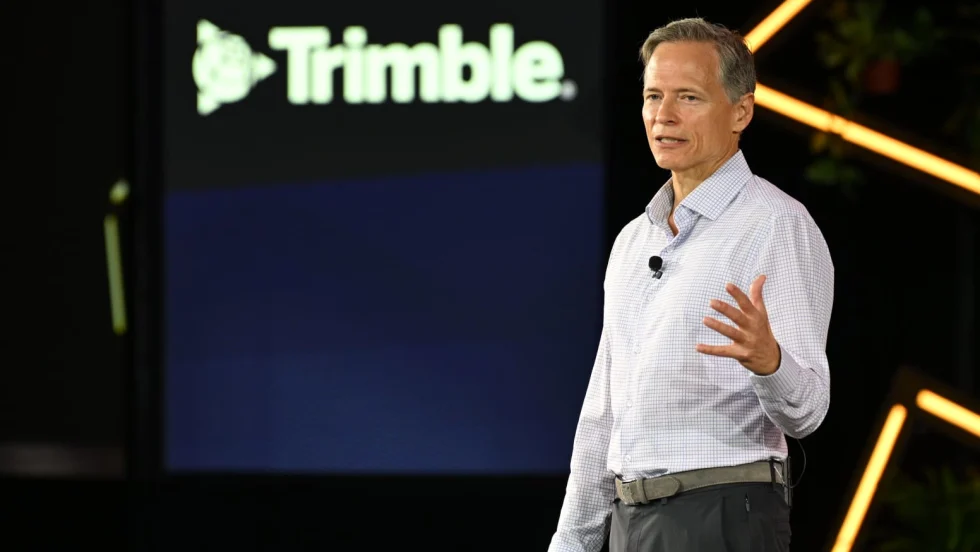
Trimble: Taking Artificial Intelligence in Trucking Beyond Faster Tasks
At Insight 2026, Trimble executives argued that fleets may need to redesign workflows to get more from AI as it introduced new products and enhancements. AI’s value will depend on how fleets combine automation with their people's knowledge.
Read More →
Build a bulletproof fleet: Uniting ELDs and dash cams for total compliance
An ELD can prove compliance, but it cannot always prove what happened on the road. Discover how uniting accurate ELD data with AI-powered dash cam video can help your fleet strengthen compliance, defend against liability, protect drivers and reduce operational costs.
Read More →
Nominations Open for HDT Emerging Leaders
Heavy Duty Trucking is looking for accomplished trucking fleet professionals under 40 who are making an impact and helping lead the industry forward.
Read More →
Why Private Fleets Are Taking More Freight
Private fleets are putting their own trucks on demanding customers and high-cost lanes as companies seek greater control over service, costs, and capacity.
Read More →
Color Match Smarter: Tools That Restore & Perform
For fleet managers and collision repair professionals keeping heavy-duty trucks on the road, getting the color right the first time isn't just about appearance — it's about efficiency, turnaround time, and bottom-line results. Discover how today's digital color tools are transforming the repair process from guesswork to precision.
Read More →
FMCSA Pauses Biennial-Update Enforcement Amid Motus Transition
Carriers whose updates were due on or after June 1 have more time, while FMCSA works to stabilize its new registration system and warns of phishing sites impersonating its new carrier registration system, Motus.
Read More →
2026 Blueprint for Countering Smarter Supply Chain Theft
Cargo theft is no longer just the cost of doing business. It's a multi-billion-dollar criminal enterprise exploiting vulnerabilities across your fleet, drivers, and supply chain.
Read More →