




DOT Size-Weight Study Ignites Controversy
Jan. 1 – A new truck size and weight study released Wednesday by the U.S. Department of Transportation is sure to add fuel to the controversy about longer combination vehicles. The book-length volume, while technically a draft,
Jan. 1 – A new truck size and weight study released Wednesday by the U.S. Department of Transportation is sure to add fuel to the controversy about longer combination vehicles.
The book-length volume, while technically a draft, outlines the effects of several different scenarios involving greater use of LCVs such as triple trailers. Truck sizes and weights have been frozen since 1990. More than a dozen states currently allow rigs longer than 65 feet and heavier than 80,000 pounds, in various configurations.
One of the conclusions in the report is that allowing LCVs coast to coast would reduce the number of tractor-trailers on the road, but would probably increase the safety risk from truck accidents – a conclusion sure to be used as ammunition by anti-truck safety groups such as Citizens for Reliable and Safe Highways. Other conclusions include higher highway and bridge costs, lower freight rates, and more freight moving to trucks rather than rail.
The study will officially be completed next spring, and will be the most extensive look at truck size and weight impacts since 1982.
American Trucking Assns. President and CEO Walter McCormick wasted no time in attacking the study as “deeply flawed and a waste of taxpayers’ money. It looked at hypothetical transportation scenarios that do not exist today and examined them under fantasy conditions. It is little wonder that the [DOT] has warned readers that the study ‘is not a policy vehicle in any sense.’”
According to ATA, the methodology of the report has also come under fire from Rep. David McIntosh, R-IN, chairman of a key House Government Reform and Oversight subcommittee. In a letter to Secretary of Transportation Rodney Slater, McIntosh reportedly expressed concern that the report would provide legislators with little, if any, policy guidance.
“This study examines changes to truck size and weight laws that have never been proposed by the trucking industry,” McCormick said. “It is an exercise in conjecture.”
According to the ATA, the study assumes extensive, nationwide, longer combination vehicle networks that are more than three times longer than the current LCV network. ATA says the networks do not appear to take into account roadway geometry, state permitting processes, traffic levels, shipper needs, or other considerations that would make these routes legitimate candidates for LCV expansion.
ATA also says the study focuses on truck configurations that do not exist and are unlikely to, such as a seven-axle triple with a GVW of 132,000 pounds.
In addition, ATA says, FHWA refused to use data from a study it commissioned for use in the size and weight study, which showed that the accident rates of LCVs are half that of common five-axle tractor-trailer units.
The study was released as lawmakers prepare to convene next week. The ATA plans to join four Western governors in lobbying Congress to let states set their own LCV rules.
More Drivers

Trump Administration Looks to Put More Veterans Behind the Wheel
The Freedom Haulers program pulls together existing and expanded programs at several federal agencies to recruit veterans to drive commercial heavy-duty trucks and cut the red tape for them to get a CDL, training, and employment.
Read More →
Putting Mack’s Command Steer to the Test
A test drive of Mack’s Command Steer active steering system evaluates how it can make truck driving easier and less tiring.
Read More →
Competition Heating Up for Truck Drivers
New report reveals rising driver hiring costs, the return of sign-on bonuses, growing AI advantages, and the operational factors shaping driver retention.
Read More →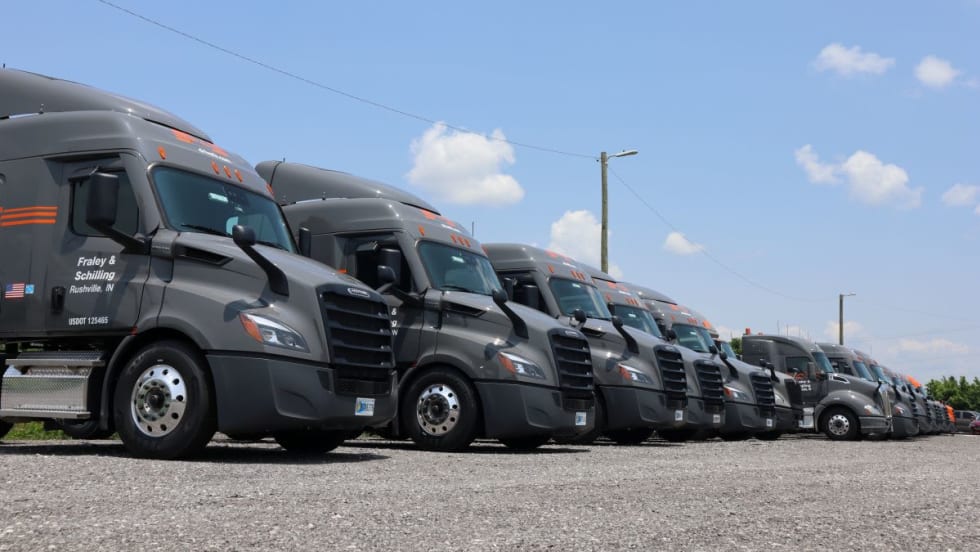
How Fraley & Schilling Improved Logbook Compliance by Over 50%
Fraley & Schilling needed a way to close a compliance workflow gap in its ELD system without adding more work from driver training, reminders, and back-office follow-ups. It found the answer in a custom driver app.
Read More →
Volvo Goes Gaming
Volvo has roared into American Truck Simulator with two new flagship trucks.
Read More →
What the Best Fleets to Drive For Teach About Driver Retention
Survey fatigue, AI-powered routing, owner-operator expectations, and the decline of social media all emerged as themes from this year's Best Fleets to Drive For program.
Read More →
Driver Retention Lessons From the Best Fleets to Drive For
What separates trucking's best workplaces from the rest? Jane Jazrawy shares the biggest lessons from this year's Best Fleets to Drive For program on driver retention, communication, AI, and workforce trends on the HDT Talks Trucking podcast.
Read More →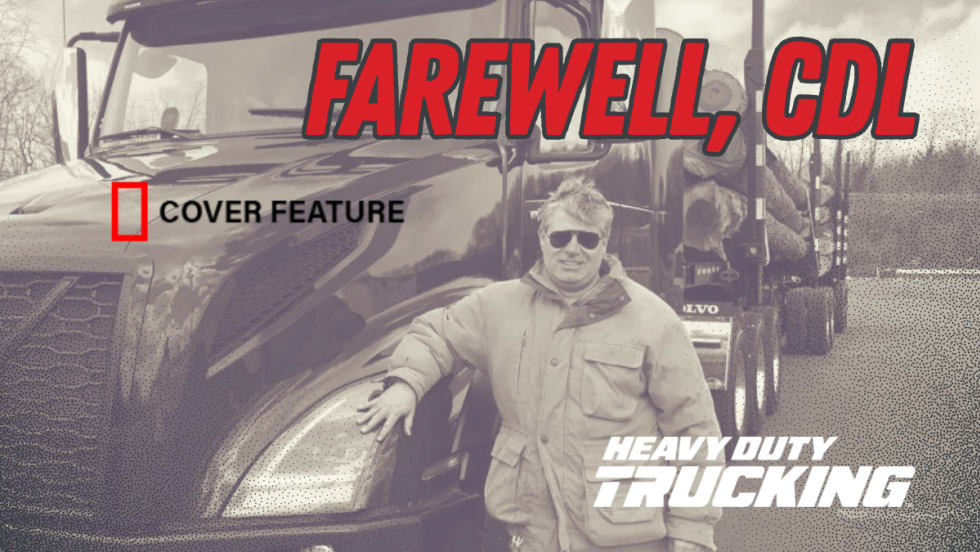
Farewell, CDL: Why I'm Giving Up My Commercial Driver's License
After more than 20 years as a CDL holder, HDT Executive Editor Jack Roberts is letting his commercial license expire. Not because he wants to — but because trucking's nuclear verdict crisis has made the risks of public-road test drives too great for editors, manufacturers, and everyone involved.
Read More →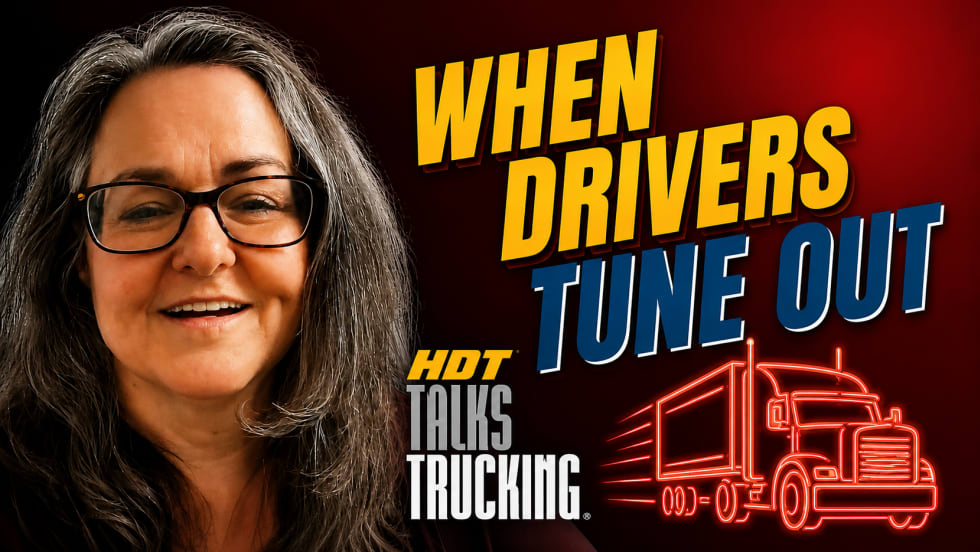
How Top Trucking Fleets Improve Driver Retention [Video]
What do healthy snacks, optimized routing, and just picking up the phone have in common? They're all strategies the Best Fleets to Drive For are using to retain truck drivers.
Read More →
Trucker Path Adds Verisk CargoNet Theft Data to Navigation Platform
Trucker Path’s new cargo theft risk overlays give drivers and fleets visibility into high-risk areas, stolen commodity trends, and theft hotspots.
Read More →