




DOT Seeks Comment: Do Fed HazMat Regs Preempt California Break Rules?
The Pipeline and Hazardous Materials Safety Administration is inviting public comment on an application from the National Tank Truck Carriers Inc. to determine whether federal hazardous-material regulations preempt or override the state of California’s meal and rest break requirements.

Image: Paccar Financial
Image: Paccar Financial
The Pipeline and Hazardous Materials Safety Administration is inviting public comment on an application from the National Tank Truck Carriers Inc. to determine whether federal hazardous-material regulations preempt or override the state of California’s meal and rest break requirements. PHMSA noted that California law generally prohibits employers from requiring a truck driver to work during any meal or rest period.
In its application, NTTC lists three reasons why it contends federal law should preempt California law: it creates unnecessary delays for the transportation of hazardous materials; it conflicts with the attendance requirements of the Hazardous Materials Regulations; and it creates an obstacle to accomplishing the security objectives of the HMR.
The notice, issued on Aug.30, will be open for comments for up to 45 days after it is published in the Federal Register. The date of publication will be determined by the Federal Register, but PHMSA said a preview of the notice is available on the agency's website.
Controversy over California’s meat and rest break provisions has been percolating for years, both in the court system and on Capitol Hill.
In 2014, the Ninth U.S. Circuit Court of Appeals ruled a California law requiring a 10-minute rest break for every four hours worked and a 30-minute meal period every five hours, when a work period is more than five hours, does not violate a 1994 federal law.
A year later, the U.S. Supreme Court denied motions filed by trucking companies seeking to overturn that lower court ruling. In seeking review of the appellate court ruling, one of the petitioners, Penske Logistics, contended that the California law is preempted by a 1994 federal statute that prohibits states from enforcing laws “related to a price, route or service of any motor carrier” transporting property. In the Ninth Circuit’s 3-0 ruling, Judge Susan Graber found that paid break periods are “normal background rules for almost all employers doing business in the state.”
Earlier this year, several efforts to override the California law with a new Federal statute came a cropper. Those proposals aimed to prevent states from enacting their own meal and rest break rules for CDL drivers. They also sought to prohibit states from requiring that those drivers be paid certain types of added compensation, such as detention pay.
More Fleet Management
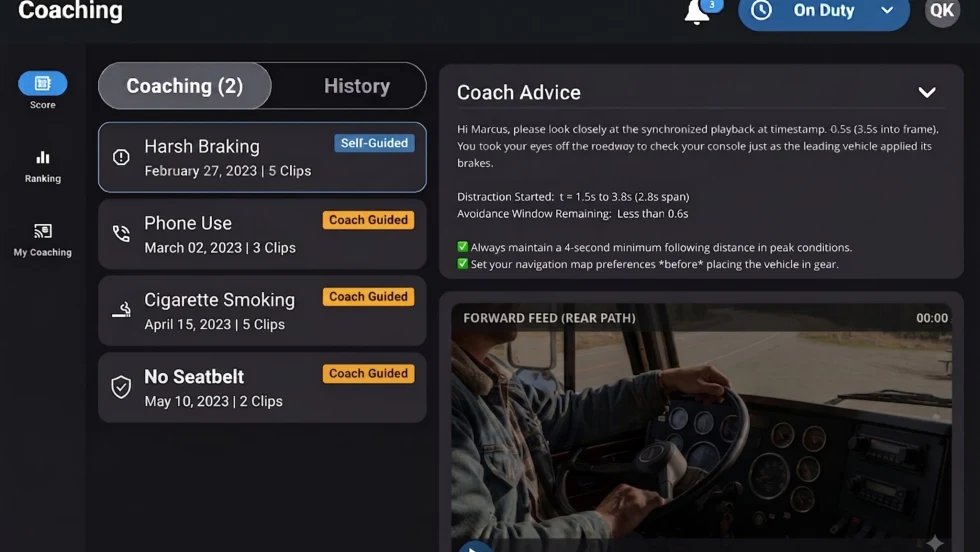
Platform Science Adds Dispatch and Safety Tools
Four additions to PS Fleet help fleets monitor loads, manage driver coaching, share truck locations and adjust video system settings.
Read More →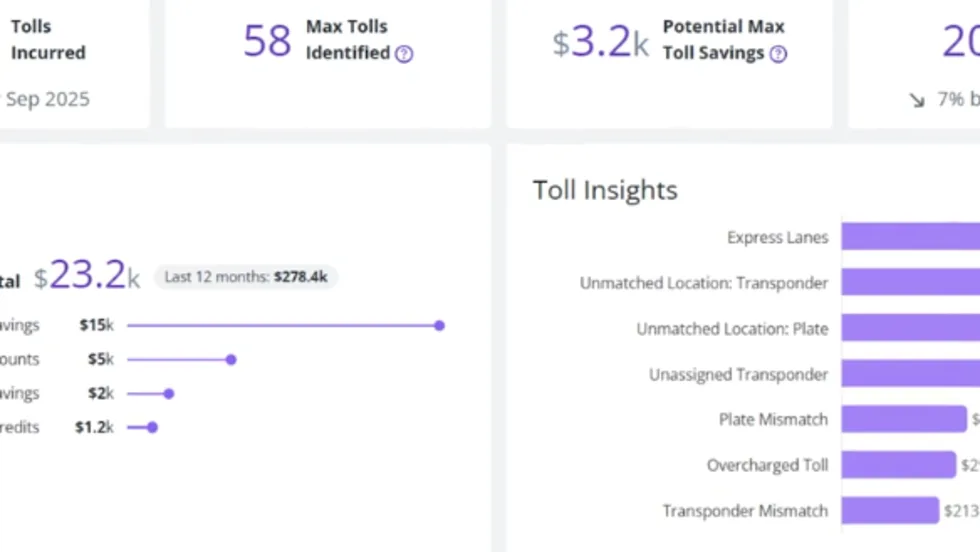
PrePass Intelligence Mines Fleet Bypass, Toll and Safety Data
PrePass Intelligence helps fleets measure bypass savings, flag potential toll overcharges, and spot suspicious transactions by combining data from separate systems.
Read More →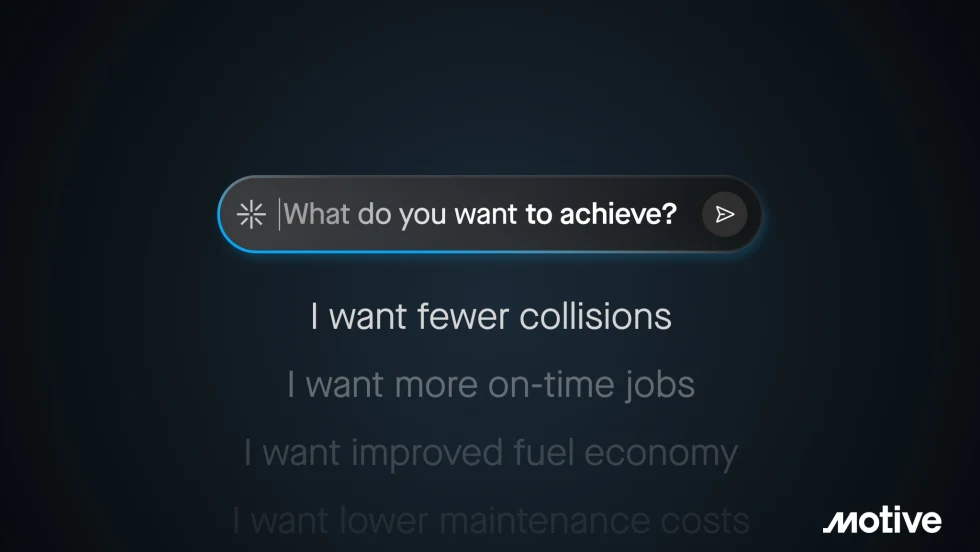
Motive Adds AI Agents for Fleet Operations
New tools automate follow-up on fleet data, from maintenance work orders to driver alerts, with two-way voice conversations planned for later this year.
Read More →
Can You Beat Our Trucking Trivia Challenge?
Test your truck knowledge with 19 trivia questions from Heavy Duty Trucking Exchange. Can you keep up with the fleet pros?
Read More →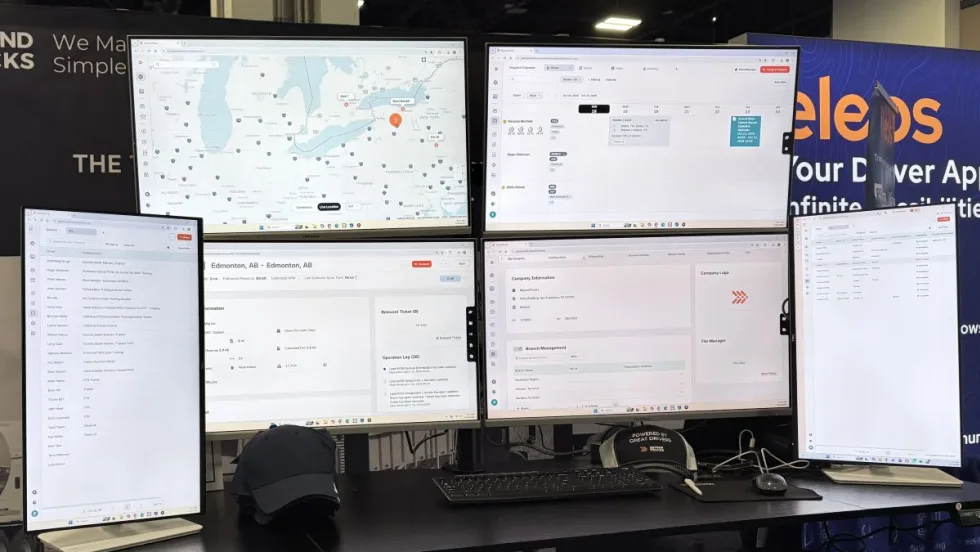
BeyondTrucks Adds Rules Checks to Dispatch
New Compatibility Engine checks driver qualifications, equipment requirements and fleet policies before loads are dispatched.
Read More →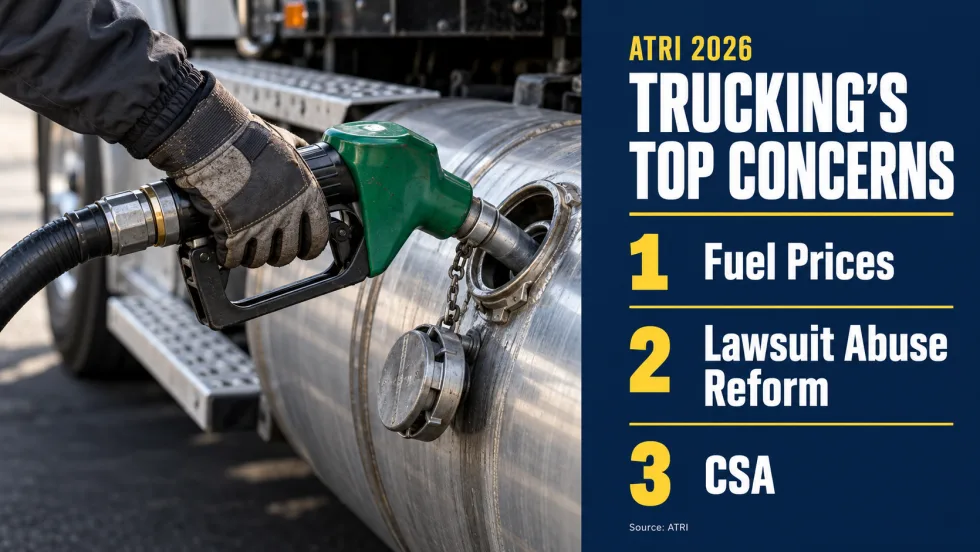
Diesel Prices Hijack Trucking’s Worry List
ATRI’s annual survey finds cautious optimism about freight, but diesel costs, litigation, and insurance continue to squeeze fleets. Drivers have different priorities on several issues.
Read More →
Nomination Deadline Extended for HDT Emerging Leaders
Just a few more days to nominate accomplished trucking fleet professionals under 40 who are making an impact and helping lead the industry forward for the HDT Emerging Leaders award. Deadline extended to October 20!
Read More →
What Will ATA’s New Leader Bring to Trucking's Table?
Incoming President and CEO Mark Colson’s record in Alabama offers clues about his priorities and approach following Chris Spear’s abrupt departure as the head of the American Trucking Associations.
Read More →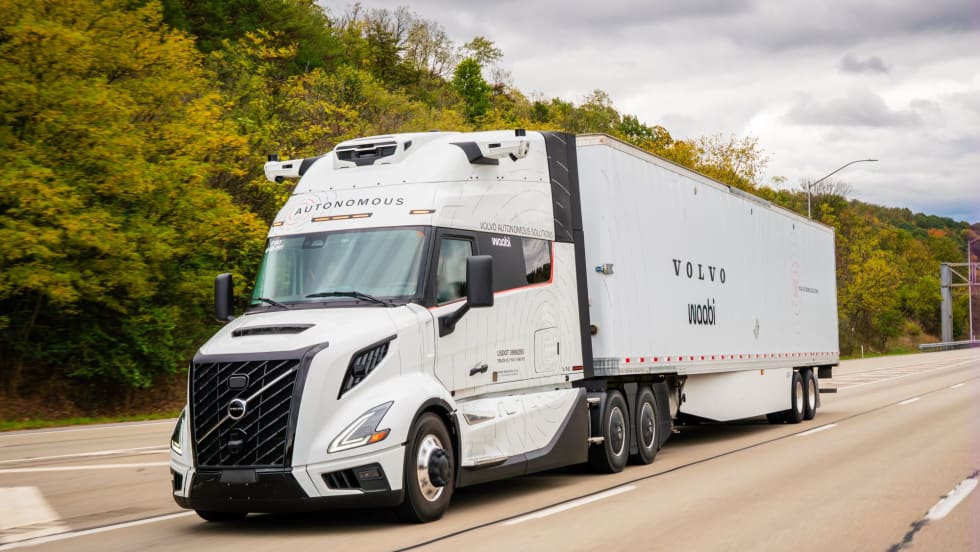
Volvo, Waabi Start Commercial Autonomous Operations in Texas
Volvo VNL Autonomous trucks, powered by the Waabi Driver, are hauling freight directly to third-party facilities for a customer in Texas.
Read More →
Samsara Launches Custom AI Agent Builder
Agent Studio lets fleets create AI tools for hours-of-service monitoring, reporting and driver support, including agents that communicate by phone.
Read More →