




DOT Outlines Equipment, Vehicle Plans for Rita
Mobile air traffic control equipment, technical personnel, trucks, buses, airplanes and ocean-going vessels are now in place to support the massive federal, state and local effort to prepare for Hurricane Rita,
Mobile air traffic control equipment, technical personnel, trucks, buses, airplanes and ocean-going vessels are now in place to support the massive federal, state and local effort to prepare for Hurricane Rita,
U.S. Secretary of Transportation Norman Y. Mineta announced late Thursday.
“We are working hand in hand with federal, state and local officials to make sure they have every available transportation asset in place to get people out, supplies in and key facilities back up and running in areas where Hurricane Rita is expected to make landfall,” Mineta said.
He noted that the U.S. Department of Transportation is taking the following steps to support Federal Emergency Management Agency and the states of Texas and Louisiana as they prepare for Hurricane Rita. The secretary noted that additional resources will be provided as requested by the states:
Trucks and Supplies
• Delivering one tanker of diesel fuel, six trucks of tarps, five trucks of plastic sheeting, two trailers filled with cots, one trailer filled with tents and one filled with sleeping bags to FEMA staging areas in Texas. These deliveries are in addition to supplies already provided to the region as part of the Hurricane Katrina response.
• Putting 10 trucks on standby at Ft. Sam Houston in San Antonio to move additional supplies as needed.
• Suspending rules limiting hours of service for truck drivers in the affected region so emergency and repair crews will be able to work as needed to support evacuation, recovery and repair operations.
Aircraft and Air Traffic Control
• Securing aircraft to evacuate Texas residents, as well as Hurricane Katrina evacuees, by air from Houston to Ft. Smith and from Corpus Christi and Beaumont to Smyrna, Tenn.
• Putting six MD-80 aircraft on standby in Baton Rouge, La. to support another airlift out of Louisiana if needed.
• Pre-positioning mobile communications and navigational equipment along with technical personnel in Austin, Texas, and Baton Rouge to deploy after the storm passes to restore basic air traffic control services.
• Maintaining a small staff at Houston aviation facilities to reactivate key equipment as soon as possible after the storm leaves the area.
Buses
• Providing more than 650 buses in response to requests from Texas and Louisiana officials to help to support evacuation efforts.
• Working with transit agencies across the country to identify additional buses that can be acquired and deployed to support evacuations in Texas and Louisiana as needed.
Trains and Equipment
• Working with railroad operators, the Association of American Railroads and the American Short Line and Regional Railroad Association to identify hazmat cars in Texas and Louisiana and evacuate cars as needed.
• Maintaining an expedited process for issuing waivers to allow rail operators to clear damaged equipment in order to resume operations after the Hurricane passes through the region.
Ports and Shipping
• Staging personnel with expertise in repairing port infrastructure in New Orleans to deploy as needed to support repair efforts.
• Maintaining 12 Ready Reserve Vessels in New Orleans (4); Port Sulphur, La. (1); Houston (2); Orange, Texas (3); and Beaumont (2) so they will be available to provide power, equipment and housing for workers in the aftermath of Hurricane Rita.
In addition, personnel from the Department of Transportation are working with state and local officials to assess transportation infrastructure in the regions likely to be affected by Hurricane Rita. These teams are beginning to develop plans to quickly repair and rebuild roads, bridges, ports, pipelines and airports should they be damaged by Hurricane Rita, Mineta said.
More Drivers
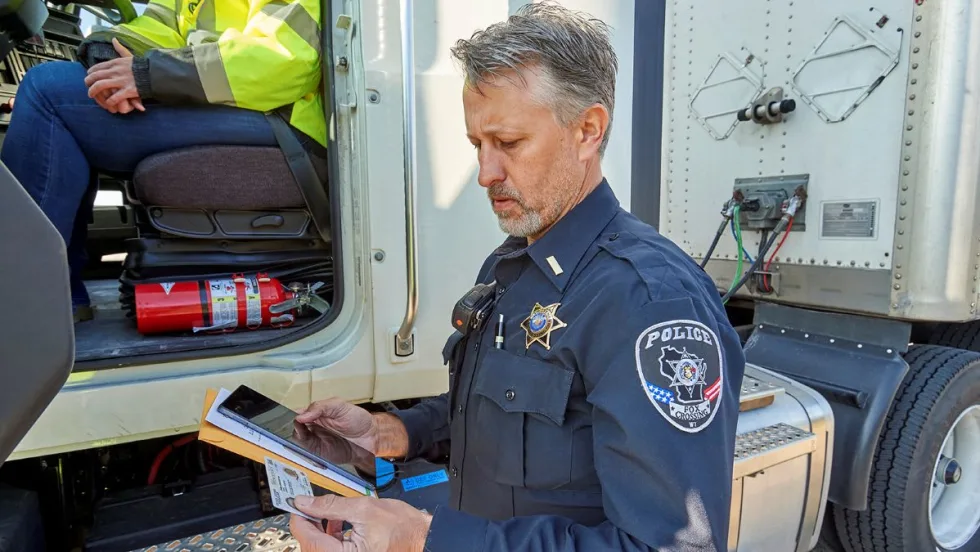
When Language Stops the Truck: The Return of ELP Out-of-Service Orders
English language proficiency rules for commercial drivers aren’t new, but renewed out-of-service enforcement has raised the stakes. Here’s what carriers need to know before a driver reaches a roadside inspection.
Read More →
Samsara Launches Custom AI Agent Builder
Agent Studio lets fleets create AI tools for hours-of-service monitoring, reporting and driver support, including agents that communicate by phone.
Read More →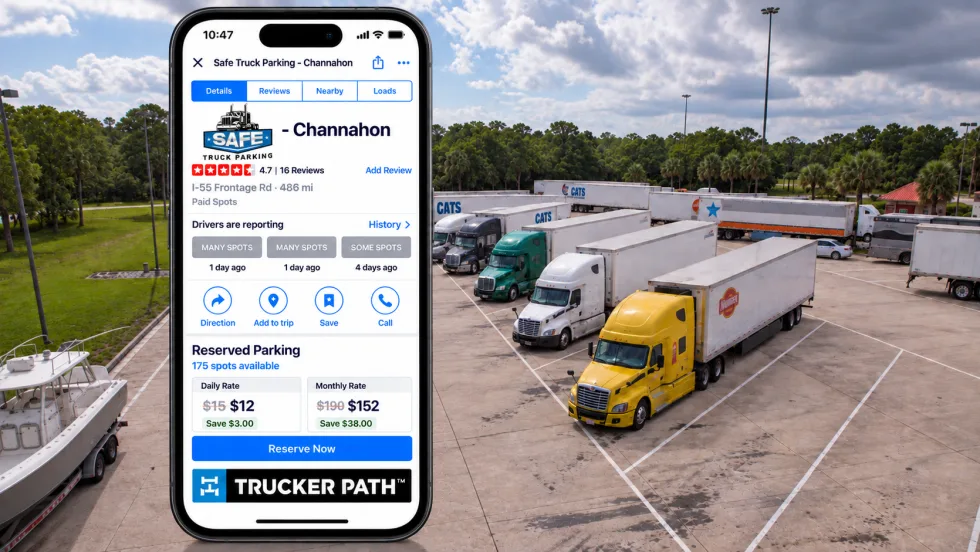
Trucker Path Expands Reserved Parking Network
Trucker Path has added close to 6,000 more truck parking spaces to its Trucker Path Reserved Parking Network with the addition of Safe Truck Parking.
Read More →
EEOC Sues Texas Trucking Company Over Driver Age Limits
The agency says Trancasa USA rejected applicants over 65 and applied tougher driving-record standards to those over 60.
Read More →
Nussbaum, Roehl Announce Second Driver Pay Increase This Year
This year has seen a swath of major truck driver pay increases as freight capacity has tightened.
Read More →
From One Generation to the Next: How Mentorship Builds Safer Truck Drivers
After three decades in trucking, Harold Perry shares what he's learned about driver safety, mentorship, and helping the next generation build confidence behind the wheel.
Read More →
Truck Drivers Need More Than Another Alert
Fleets have more visibility into truck health, safety events, and driver activity than ever. The next challenge is turning all that information into useful guidance for the person who has to decide what to do next.
Read More →
FMCSA Removes 110 Truck Driver Training Schools from Certified ELDT List
Federal regulators also are targeting more than 160 additional training providers and launching a nationwide audit of third-party CDL skills testers as part of a broader crackdown on trucking fraud.
Read More →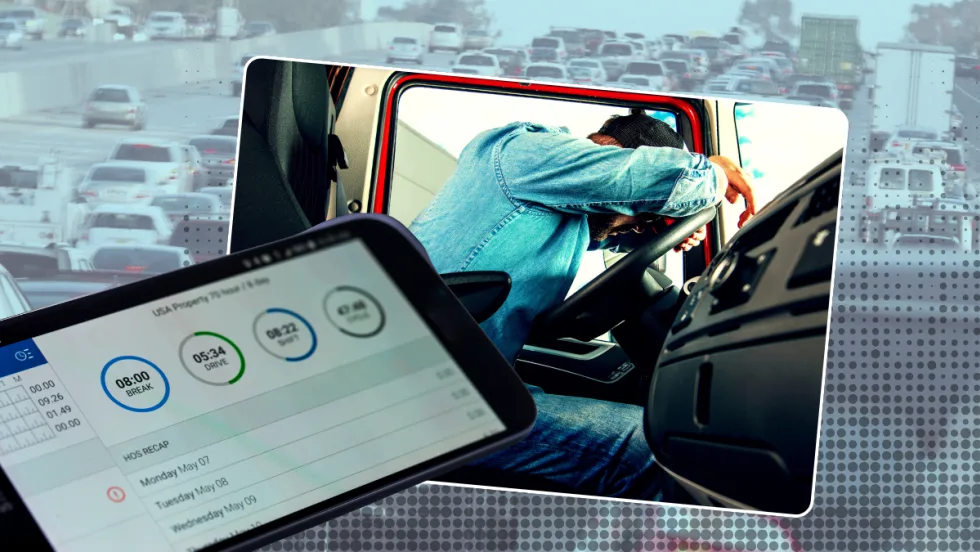
Hours of Service Pilot Programs: FMCSA Readies for 2027 Rollout
Two pilot programs could eventually reshape hours-of-service rules, giving truck drivers options to pause their 14-hour clock or use longer split sleeper rest periods.
Read More →
Medical Cards, English Proficiency Reshape Roadcheck Violations
Medical-card violations jumped to the top of the driver out-of-service list during CVSA’s 2026 International Roadcheck, while English-language proficiency violations appeared among the leading violations for the first time.
Read More →