




DOT Announces Trucker-Friendly Package of Initiatives
U.S. Transportation Secretary Sean P. Duffy unveiled what he called a “pro-trucker” package of initiatives and regulatory updates, including funds to expand truck parking and killing off the controversial speed limiter mandate.

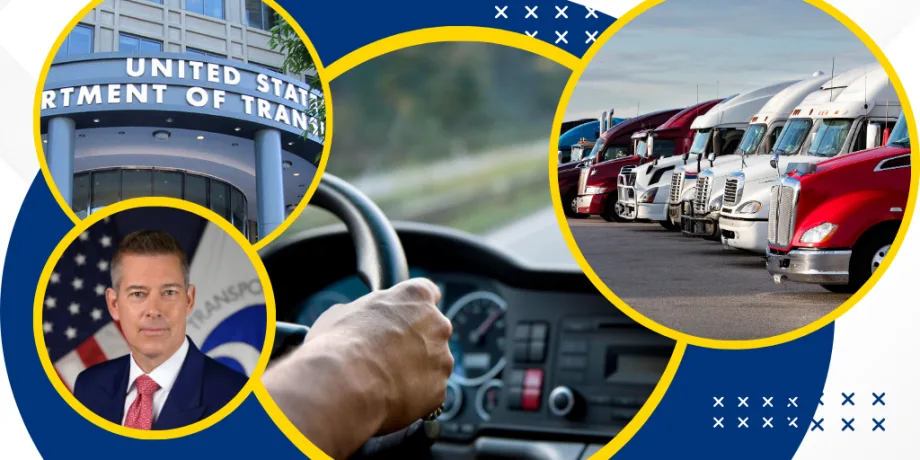
Goodbye, speed limiter mandate. Hello, truck parking.
Image: HDT Graphic
U.S. Transportation Secretary Sean P. Duffy unveiled what he called a “pro-trucker” package of initiatives and regulatory updates, including funds to expand truck parking and killing off the controversial speed limiter mandate.
It comes a little more than a month after Duffy promised to go after “bad actors” in trucking.
The Owner-Operator Independent Drivers Association cheered the announcement, noting that it had advocated for every item on the list.
“For too long Washington, DC has made work harder for truckers,” Duffy said in a news release. “That ends today. Thanks to President Trump, we’re getting Washington out of your trucks and your business.”
Expand Truck Parking
In the American Transportation Research Institute’s annual top industry issues survey, truck parking was the number one concern of truck drivers responding to the survey.
The Department of Transportation is advancing more than $275 million in grant funding to expand truck parking availability, according to the announcement.
For instance, Florida will sign a $180 million grant in the coming weeks to address the unmet truck parking demand along the I-4 corridor. This project will add 917 new truck parking spaces across Volusia, Seminole, and Osceola Counties.
The package includes a new memo affirming that truck parking is a national priority under “Jason’s Law” (Section 1401 of MAP-21) and clarifies the broad eligibility of Federal-aid highway programs and discretionary grants for truck parking projects.
FMCSA outlined a number of actions it is taking to remove burdensome regulations and provide drivers with more control over their operations.
Withdrawal of Speed Limiter Rulemaking
FMCSA and the National Highway Traffic Safety Administration are withdrawing a joint rulemaking that proposed to require speed-limiting devices on heavy vehicles.
Last month, bills were introduced in Congress to keep FMCSA from mandating speed limiters.
There have been efforts to require speed limiters on heavy trucks for nearly 20 years.
Many trucking fleets use speed limiters for their own safety and fuel efficiency goals. In the 2024 HDT/Work Truck Safety Study, speed limiters were the most common safety technology among the survey respondents, at 51%, with larger fleets being more likely to use them than smaller fleets.
Critics of mandatory speed limiters say they create unnecessary congestion and dangerous speed differentials among vehicles.
Study Hours of Service Flexibility
FMCSA is launching two new pilot programs to study increased flexibility in hours-of-service regulations.
The goal for each pilot is to gather data on whether giving drivers more control over their schedules can improve rest and enhance safety.
Flexible Sleeper Berth: This pilot will allow participating drivers to split their 10-hour off-duty period into more flexible combinations, including 6/4 and 5/5 splits.
The agency previously proposed a pilot study in the latter part of the first Trump administration.
Split Duty Periods: This pilot will allow participating drivers to pause their 14-hour on-duty period for a period of no less than 30 minutes and no more than 3 hours.
Commitment to Address Unlawful Brokering
FMCSA is renewing its focus on combating unlawful double brokering, according to Duffy.
The announcement did not contain any specifics, other than updating the National Consumer Complaint Database to include complaints about property brokers.
Last year, the FMCSA asked Congress for help, asking it for the authority to enforce broker regulations.
Modernize Online Driver Resources
FMCSA’s online tools are outdated and a pain to use, according to the announcement. Part of the package is launching new digital assets that are more user-friendly.
Refreshed Driver Resources Webpage: The FMCSA website now features a more user-friendly and mobile-friendly driver resources page. The page has clear sections for truck and bus drivers to quickly find relevant information.
DataQs System Update: The agency is proposing revisions to the DataQs requirements for MCSAP grant funding to ensure proper due process for drivers. The goal is to improve the impartiality, timeliness, and fairness of the data review process.
National Consumer Complaint Database (NCCDB) Update: The NCCDB, which receives 25,000-30,000 complaints annually, is being migrated to a modern customer service platform to be more user- and mobile-friendly and to and expand complaint categories to include property brokers.
The first release is scheduled before September 30.
Industry Reaction
“For years, truckers have urged Washington to address the severe shortage of truck parking, eliminate the dangers posed by a national speed limiter mandate, and give drivers greater control over their hours-of-service,” said President and CEO of Owner-Operator Independent Drivers Association Todd Spencer.
“We thank President Trump and Secretary Duffy for listening to the men and women behind the wheel who keep America’s economy moving.”
The American Trucking Associations, which at times is on the other side of some issues from OOIDA, thanked the administration for its “continued focus on the issues impacting America's trucking industry.”
ATA President and CEO Chris Spear did not address any specific items in the package, but said in a news release, “a safe and strong trucking industry is critical to America's economic growth and security, and data-driven measures like these that reduce regulatory burdens are important steps toward that end.”
Non-Domiciled CDLs
In addition, Duffy announced that the DOT is launching a nationwide audit into state practices in issuing non-domiciled Commercial Driver's Licenses (CDLs), specifically reviewing the potential for unqualified individuals obtaining licenses.
This action responds directly to a key directive from President Donald J. Trump’s Executive Order on Enforcing Commonsense Rules of the Road for America’s Truck Drivers, which also mandated a crackdown on drivers who could not speak English well enough to meet federal regulations.
USDOT has directed the Federal Motor Carrier Safety Administration (FMCSA) to conduct a nationwide compliance review of states issuing non-domiciled CDLs. The review will examine state procedures for issuing non-domiciled CDLs to identify and stop any patterns of abuse and ensure federal standards are being met across the country.
More Drivers

When Language Stops the Truck: The Return of ELP Out-of-Service Orders
English language proficiency rules for commercial drivers aren’t new, but renewed out-of-service enforcement has raised the stakes. Here’s what carriers need to know before a driver reaches a roadside inspection.
Read More →
Samsara Launches Custom AI Agent Builder
Agent Studio lets fleets create AI tools for hours-of-service monitoring, reporting and driver support, including agents that communicate by phone.
Read More →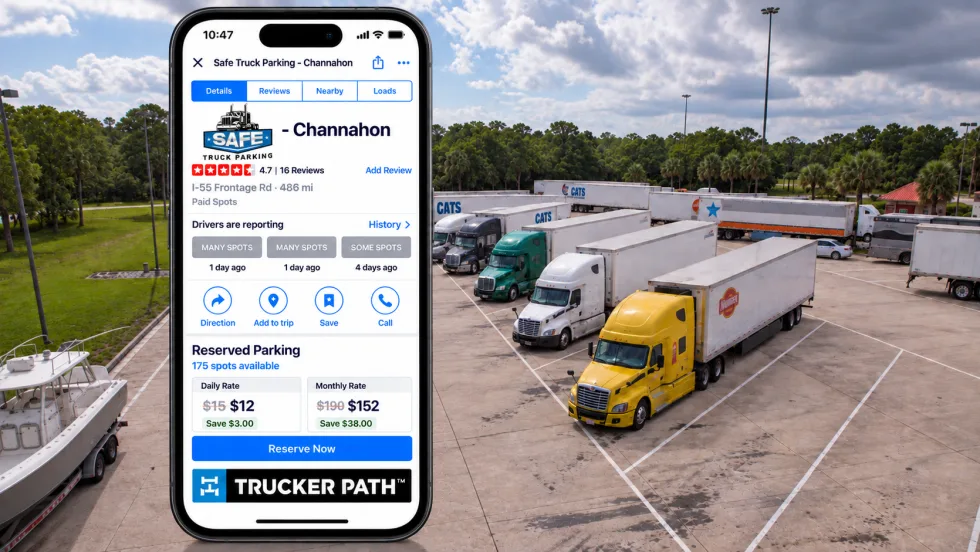
Trucker Path Expands Reserved Parking Network
Trucker Path has added close to 6,000 more truck parking spaces to its Trucker Path Reserved Parking Network with the addition of Safe Truck Parking.
Read More →
EEOC Sues Texas Trucking Company Over Driver Age Limits
The agency says Trancasa USA rejected applicants over 65 and applied tougher driving-record standards to those over 60.
Read More →
Nussbaum, Roehl Announce Second Driver Pay Increase This Year
This year has seen a swath of major truck driver pay increases as freight capacity has tightened.
Read More →
From One Generation to the Next: How Mentorship Builds Safer Truck Drivers
After three decades in trucking, Harold Perry shares what he's learned about driver safety, mentorship, and helping the next generation build confidence behind the wheel.
Read More →
Truck Drivers Need More Than Another Alert
Fleets have more visibility into truck health, safety events, and driver activity than ever. The next challenge is turning all that information into useful guidance for the person who has to decide what to do next.
Read More →
FMCSA Removes 110 Truck Driver Training Schools from Certified ELDT List
Federal regulators also are targeting more than 160 additional training providers and launching a nationwide audit of third-party CDL skills testers as part of a broader crackdown on trucking fraud.
Read More →
Hours of Service Pilot Programs: FMCSA Readies for 2027 Rollout
Two pilot programs could eventually reshape hours-of-service rules, giving truck drivers options to pause their 14-hour clock or use longer split sleeper rest periods.
Read More →
Medical Cards, English Proficiency Reshape Roadcheck Violations
Medical-card violations jumped to the top of the driver out-of-service list during CVSA’s 2026 International Roadcheck, while English-language proficiency violations appeared among the leading violations for the first time.
Read More →