




Delaware bridge toll hike challenged
Plans to more than quadruple some Delaware River bridge tolls by the end of the year will put northeastern Pennsylvania at a competitive disadvantage and hurt consumers and businesses alike,
Plans to more than quadruple some Delaware River bridge tolls by the end of the year will put northeastern Pennsylvania at a competitive disadvantage and hurt consumers and businesses alike,
U.S. Rep. Paul Kanjorski has announced.
Toll increases planned to take effect by the end of this year would vary at the seven toll bridges overseen by the Delaware River Joint Toll Bridge Commission. The increases would vary by vehicle, but trucking companies would be hit hardest, according to The Morning Call in Allentown.
For a six-axle truck, the cash toll at Delaware Water Gap will rise from $4.50 to $19.50, costing some trucking companies millions more each year.
Kanjorski, a Democrat who represents the 11th District, renewed his call for Gov. Mark Schweiker to take action against the increases and said opponents of the plan may fight the increases in court.
Three weeks ago Kanjorski sent Schweiker a letter saying he should order Pennsylvania's members of the Delaware River Joint Toll Bridge Commission to reconsider the increases and fire them if they refuse.
The governor passed the letter off to the commission, which sent a letter back to Kanjorski saying the increases would go ahead as scheduled.
The increases are meant to fund a $526 million capital improvement program.
Kanjorski said there's general agreement that capital improvements must be made, but said it's not fair that tolls on seven bridges, mostly in northeastern Pennsylvania and the Lehigh Valley, pay for improvements on all 20 bridges the commission oversees.
The seven toll bridges are: the Interstate 80 bridge at Delaware Water Gap, the Route 22 Easton-Phillipsburg bridge, the Interstate 78 bridge, Portland-Columbia, Milford-Montague, New Hope-Lambertville and Trenton-Morrisville.
More Drivers

EEOC Sues KLLM Over Alleged Sex Discrimination in Driver Training
KLLM is facing a federal sex-discrimination lawsuit over policies the EEOC alleges put female truck driver trainees at a disadvantage.
Read More →
FMCSA Moves to Codify English Language Requirements for Commercial Drivers
By changing regulations on English-language proficiency requirements for commercial drivers, rather than relying on a guidance memo, the FMCSA said future administrations won't be able to walk back the Trump administration's stricter enforcement with just a memo.
Read More →
Drivers Put Western Star Trucks to the Test at Star Nation Experience
Watch to get an inside look at the Western Star trucks, technology, and community behind the Star Nation Experience 2026!
Read More →
Trump Administration Looks to Put More Veterans Behind the Wheel
The Freedom Haulers program pulls together existing and expanded programs at several federal agencies to recruit veterans to drive commercial heavy-duty trucks and cut the red tape for them to get a CDL, training, and employment.
Read More →
Putting Mack’s Command Steer to the Test
A test drive of Mack’s Command Steer active steering system evaluates how it can make truck driving easier and less tiring.
Read More →
Competition Heating Up for Truck Drivers
New report reveals rising driver hiring costs, the return of sign-on bonuses, growing AI advantages, and the operational factors shaping driver retention.
Read More →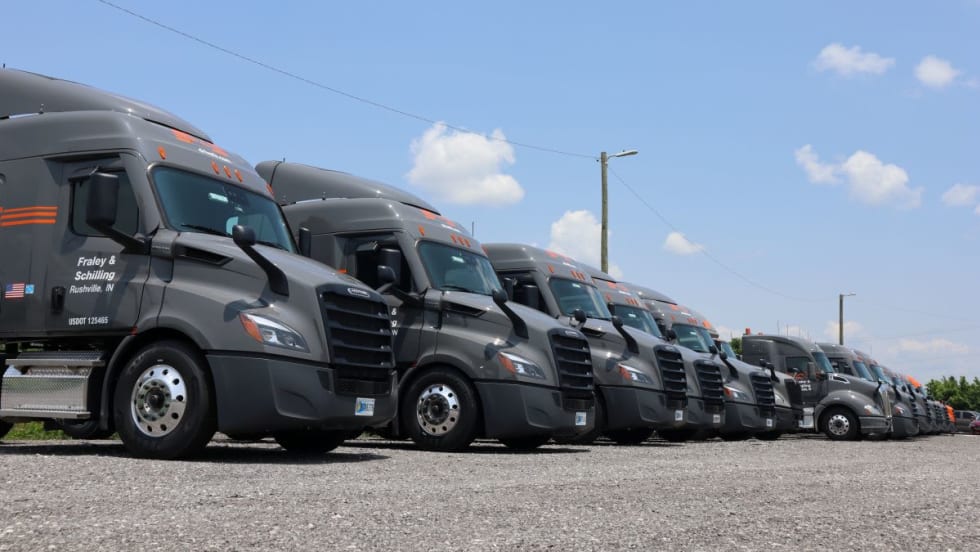
How Fraley & Schilling Improved Logbook Compliance by Over 50%
Fraley & Schilling needed a way to close a compliance workflow gap in its ELD system without adding more work from driver training, reminders, and back-office follow-ups. It found the answer in a custom driver app.
Read More →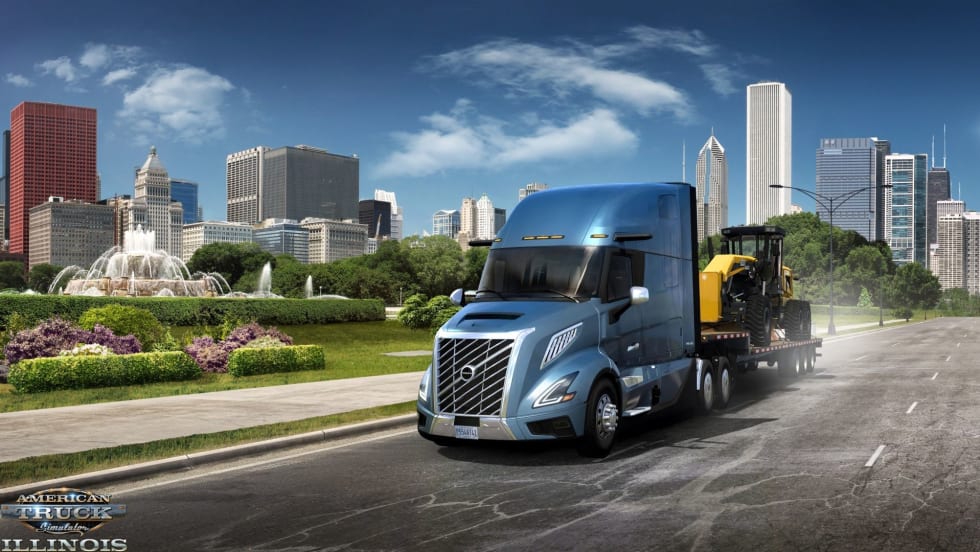
Volvo Goes Gaming
Volvo has roared into American Truck Simulator with two new flagship trucks.
Read More →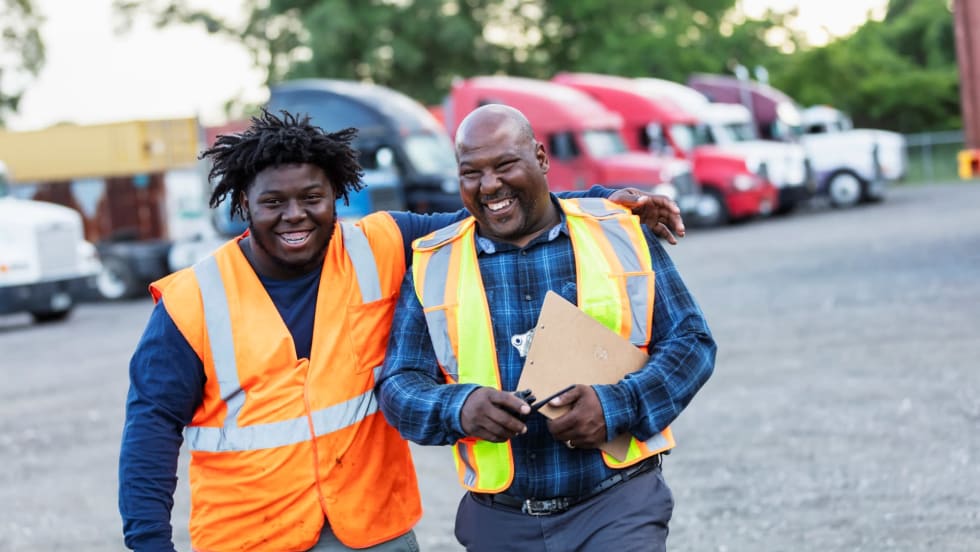
What the Best Fleets to Drive For Teach About Driver Retention
Survey fatigue, AI-powered routing, owner-operator expectations, and the decline of social media all emerged as themes from this year's Best Fleets to Drive For program.
Read More →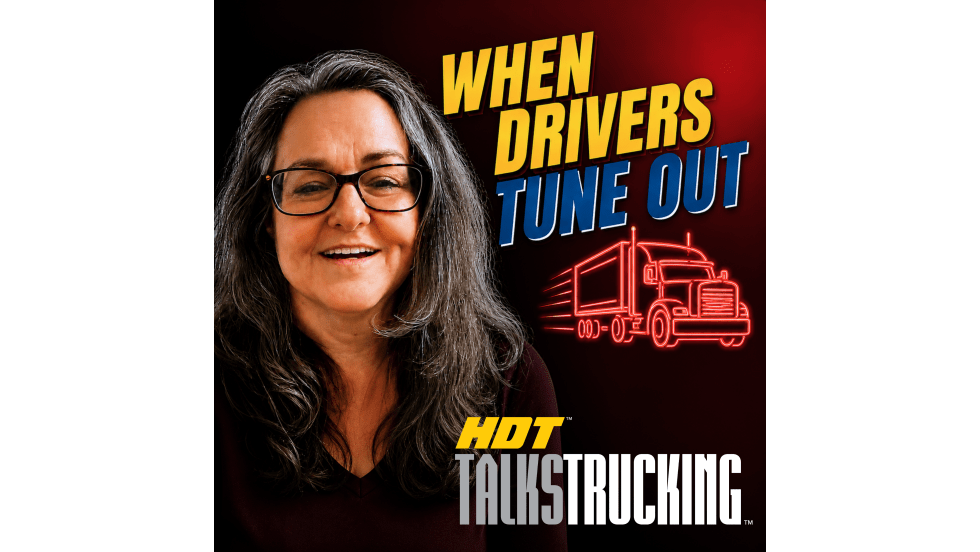
Driver Retention Lessons From the Best Fleets to Drive For
What separates trucking's best workplaces from the rest? Jane Jazrawy shares the biggest lessons from this year's Best Fleets to Drive For program on driver retention, communication, AI, and workforce trends on the HDT Talks Trucking podcast.
Read More →