





“The price of admission for dealers is we must provide a quality experience to our fleet customers or they will go elsewhere for service.”
Dealers Focus on Uptime in ACT Seminar Panel
In spite of all the changes that have occurred in the trucking industry, “fleets still want local support to keep trucks running,” according to Jim Maddox, dealer principal at Tri State Trucks. What are dealers doing about it?
October 5, 2015

4 min to read
In spite of all the changes that have occurred in the trucking industry, “fleets still want local support to keep trucks running,” according to Jim Maddox, dealer principal at Tri State Trucks. During ACT Research’s recent 53rd Seminar in Columbus, Ind., Maddox and fellow dealers shared their thoughts on what truck dealers need to do to better service fleets.
In addition to Maddox, the panel included ohn Craft, dealer principal/CFO of Campbell Freightliner; George Grask, chairman of Grask Truck Group Inc.; Scott McCandless, president of McCandless Truck Center LLC; Ron Meyering, president of M&K Truck Center; and Kyle Treadway, president and dealer principal at Kenworth Sales Co.
The dealers agreed with Maddox’s assessment that fleets want dealers to have “well trained technicians and parts on the shelves. Their expectations are high,” he said.
To meet the needs of its customers, Maddox says that 40% of his technicians are certified as Master Technicians. Treadway says his dealership has quadrupled its training budget in the last decade and now arms its technicians with laptops.
The number one service issue for fleets has been engine aftertreatment, Treadway said. “The industry has a black eye over the quality of the equipment it has delivered over the past 10 years,” Maddox agreed. “It is mostly engine-related and we have let people down.”
In fact, according to Grask, most of the trucks coming to his dealerships are there for emissions-related work. “Between January 1 and July 1, 60% of the assigned repairs related to emissions,” he says.
Warranty work is taking up a larger and larger piece of truck dealers’ service capacity. Craft says that at one time warranty was 20% to 25% of his business, but that has now increased to 36%.
In addition, truck repairs have gotten more costly and more time consuming, according to Craft. “In 2006 the average cost of a repair was $800.33. Today it is $1,014. Average repair time in 2006 was 4.73 hours and today it is 5.25 hours.”
To meet the needs of fleets, all the dealers on the panel agreed that there would be more consolidation. One of the goals of consolidation is to have more consistent service across dealer networks. Maddox said where there used to be 31 dealer principals in his areas of responsibility, there are now 18. Craft says in his market area they are down from 11 dealer principals to six. “I expect there may be as few as 25 to 50 dealer principals in the future,” Meyering said.
One thing preventing dealers from providing fleets with the service they want is a shortage of qualified technicians. To help ease the shortage, Grask has invested in local community colleges, providing equipment and scholarships and helping with curriculum development. “Overall downtime needs to be decreased,” he said. The Peterbilt dealer network, which Grask is a member of, continues to add service points and will reach 337 service locations by the end of this year.
Craft said he is planning to add 50% more service bays in the next several years to his dealerships.
The criteria to be a truck technician has gotten more complex, according to Treadway. “Technicians need mechanical and computer skills, logic for use with diagnostic trees, and communication skills, both verbal and written. And they must be adaptive because every two years they have to learn new rules.”
Maddox said downtime is no longer the focus for service. Instead it is about uptime and doing what needs to done to keep trucks running. One thing dealers can do to improve uptime for their customers is to make sure parts are available. According to Craft, “It takes two to three days longer for repairs if you don’t have parts, and that is unacceptable to customers.” McCandless said his dealerships are expanding their parts storage capabilities to make sure parts are on the shelf when needed.
Meyering said his dealership is piloting a program that tweaks the two-hour diagnostic window typical at most truck dealerships today. “If we diagnose a small repair that will take less than four hours, we begin the repair immediately in order to get the customer back on the road as quickly as possible.”
Craft said there is an evolution in the delivery of service. “We spend a lot more time communicating with the customer during the repair process. We are tracking more things and giving more specific details to customers so they can make informed decisions.”
Maddox addsed, “The price of admission for dealers is we must provide a quality experience to our fleet customers or they will go elsewhere for service.”
More Equipment
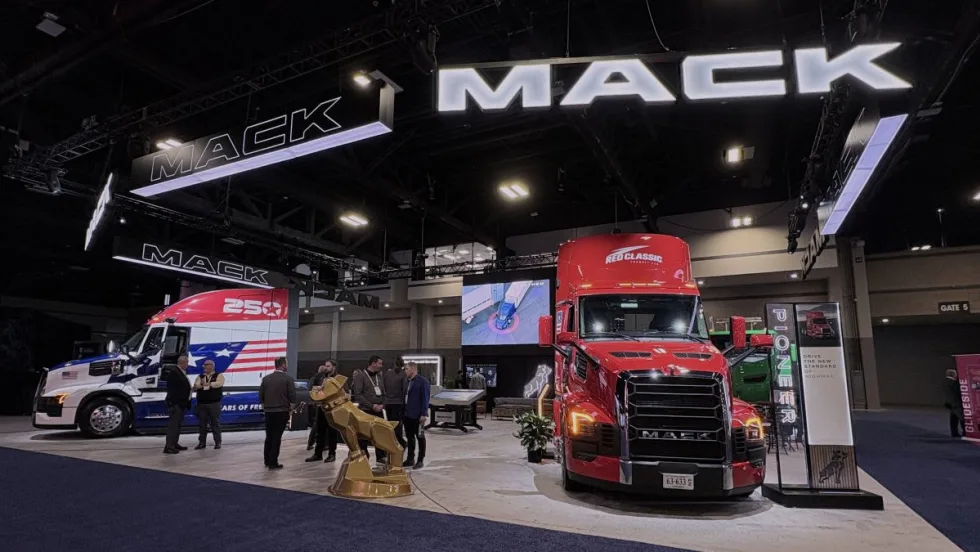
Trucks at ATA's 2026 MC&E in Charlotte, North Carolina [Photos]
From rigs decked out in patriotic America's 250 paint schemes to autonomous trucks and more, check out these photos from ATA's 2026 Management Conference & Exhibition.
Read More →
Help HDT Find Trucking’s Top Products
Have you come across a new product that could make a difference for trucking fleets? Nominate it for HDT’s 2027 Top 20 Products Awards by November 9.
Read More →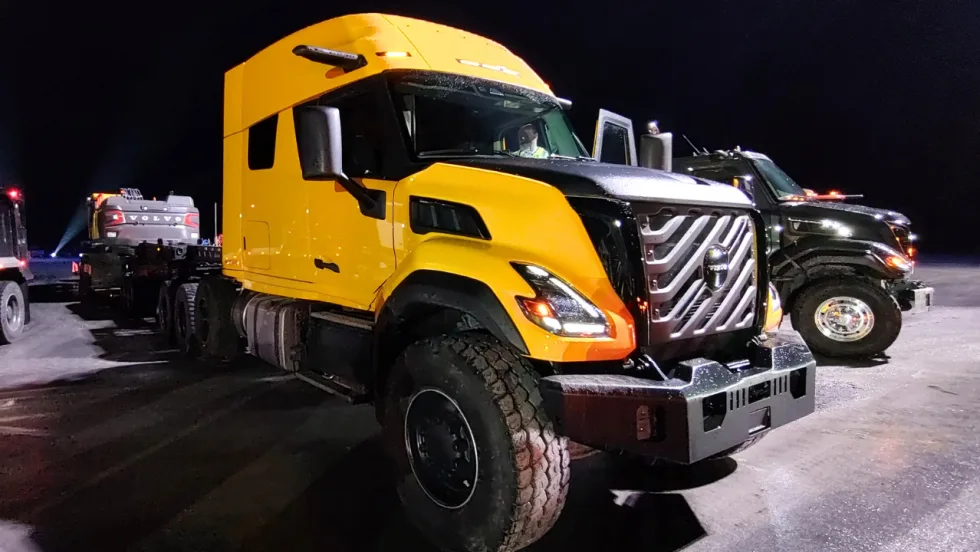
Volvo Unveils New VNX Heavy-Haul and Vocational Truck
Volvo Trucks has launched the VNX, a new vocational truck also available as a tractor in day cab and two sleeper configurations, with one heavy-haul model. The Volvo VNX is powered by Volvo's D13 platform, which delivers up to 540 horsepower and 1,950 pound-feet of torque and is EPA 2027-compliant.
Read More →
How GP Transco Cuts Trucking Fuel Costs, a Tenth of a Gallon at a Time
What’s another tenth of a mile per gallon worth? GP Transco shares how equipment upgrades and driver coaching turn small gains into meaningful fuel savings.
Read More →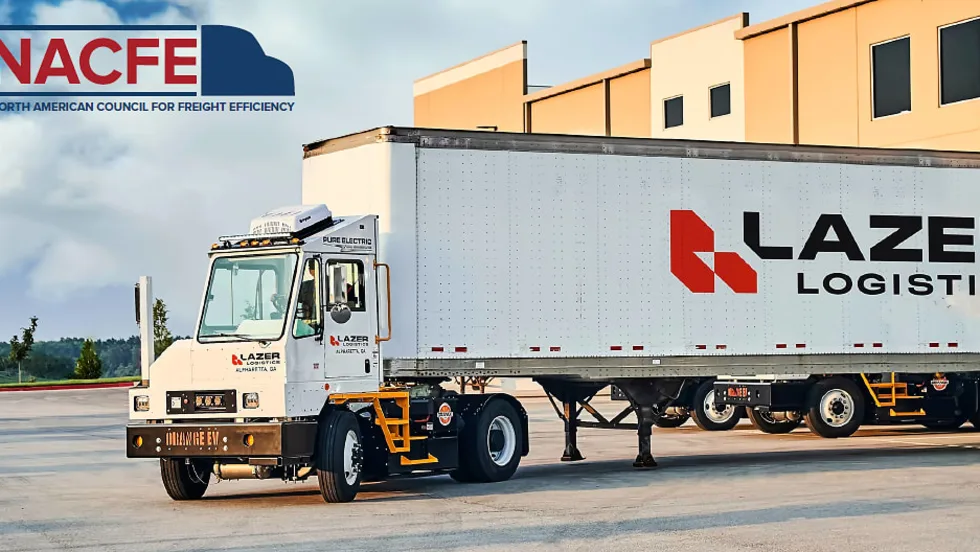
Electric Yard Tractors Move Beyond Pilots
Operating-cost savings have overtaken sustainability goals as the leading reason surveyed fleets are adopting battery-electric terminal tractors, according to new NACFE research.
Read More →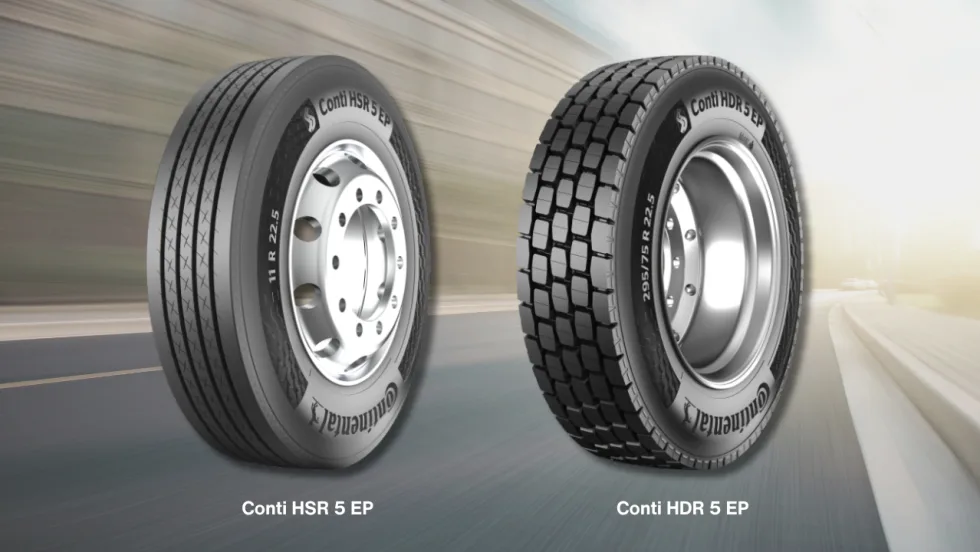
Continental Introduces New Regional Truck Tires
Continental says its new Generation 5 steer and drive tires for regional operations offer longer tread life, with estimated mileage gains of 22% and 19%, respectively.
Read More →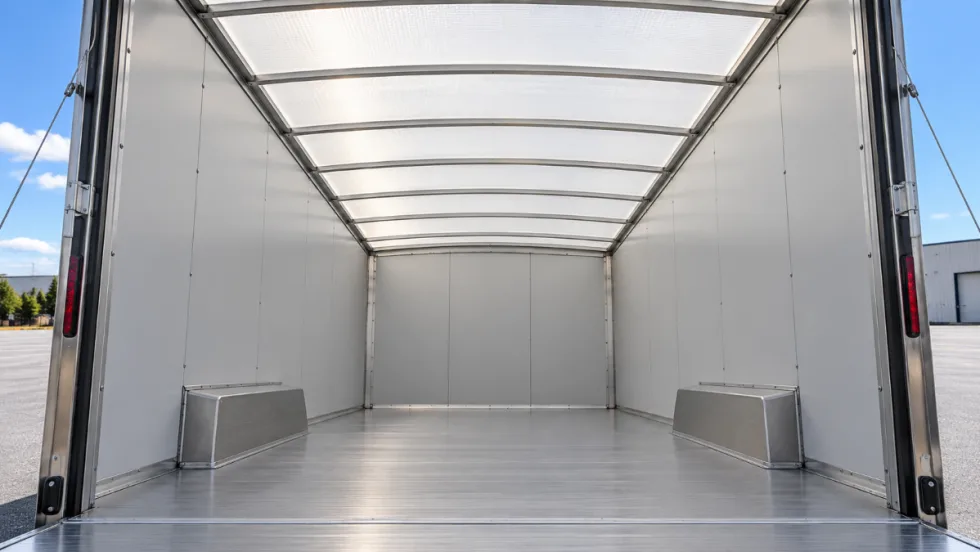
Tekmodo Introduces CargoBright Brand for Translucent Trailer Roofs
CargoBright is designed to diffuse daylight across the cargo area while performing as a working vehicle roof.
Read More →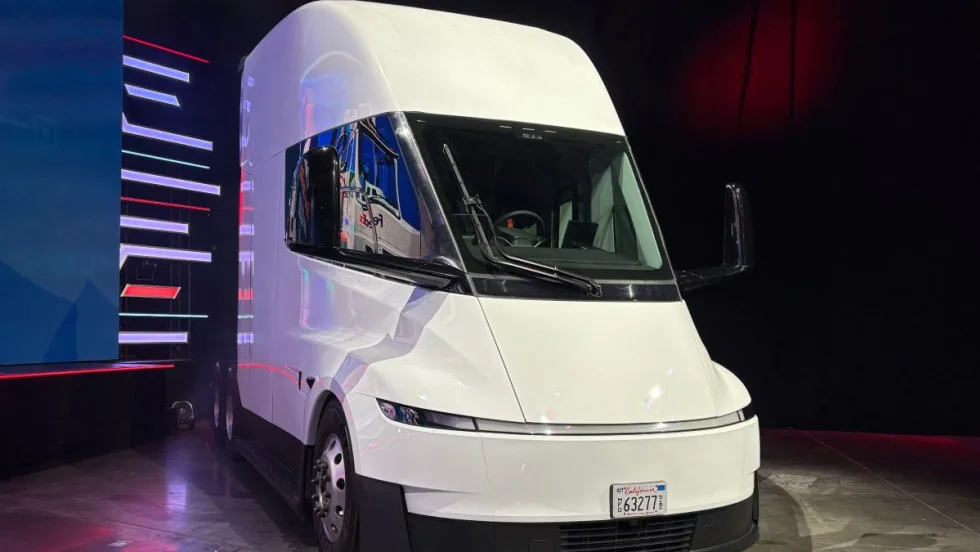
Fleet Economics Shape Electric Truck Outlook
ACT Research expects costs, charging infrastructure, and technology improvements to drive zero-emission commercial vehicle adoption as federal regulations and incentives retreat.
Read More →
Kodiak Targets Dallas–Houston for Driverless Trucks
The company says its autonomous trucks are completing the I-45 run without a safety observer taking control. It plans to remove the observer by the end of 2026.
Read More →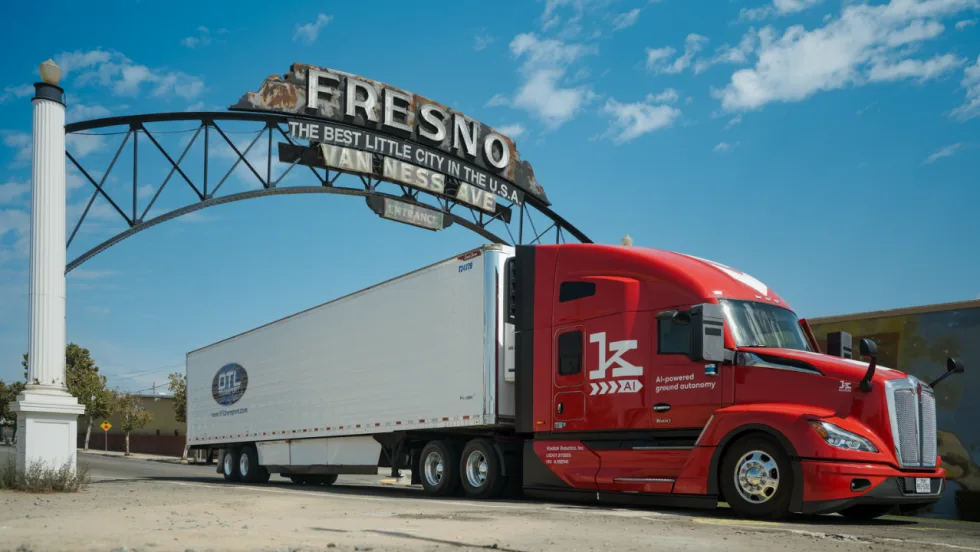
Kodiak Hauls Produce in California Autonomous Truck Pilot
Kodiak AI and DTL Transport have begun hauling produce between Fresno and Los Angeles under California’s new rules for testing heavy-duty autonomous trucks. A safety driver remains behind the wheel.
Read More →