




Daimler Trucks Mexico Launches Strategy for 'Undisputed Market Leadership'
CABO SAN LUCAS, MEXICO -- Daimler Trucks North America, approaching 40% market share in the U.S. with its Freightliner and Western Star brands, has set its sights on Mexico as one of its largest opportunities for growth.

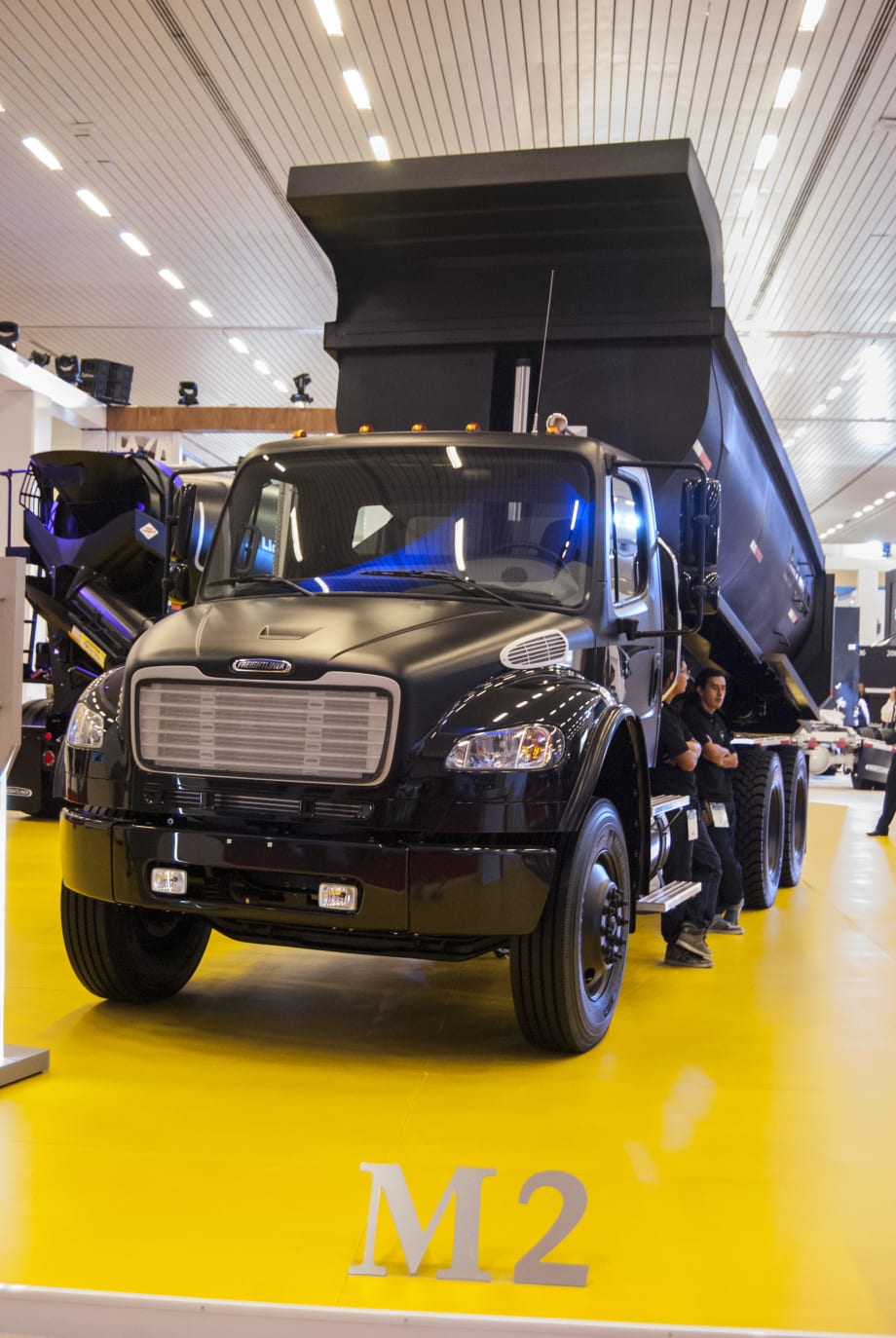
A Business Class M2 at the Freightliner booth at last fall's Expo Transporte in Mexico. (Photo by Rolf Lockwood)
A Business Class M2 at the Freightliner booth at last fall's Expo Transporte in Mexico. (Photo by Rolf Lockwood)
CABO SAN LUCAS, MEXICO -- Daimler Trucks North America, approaching 40% market share in the U.S. with its Freightliner and Western Star brands, has set its sights on Mexico as one of its largest opportunities for growth.
Daimler Trucks Mexico is already the largest manufacturer of trucks and tractors in Mexico, and has been a growing presence in Mexico for more than 40 years.
In a press briefing for the North American trucking press Tuesday, Stefan Kurschner, president and CEO of Daimler Trucks Mexico, explained that the company already is number one in the country in production and exports, but is in second place in sales. Kurschner, who has been on the job about five months, aims to change that.
The task is not without challenges, he acknowledged, including a lack of hard data and the lack of restrictions on imports of used trucks.
"I was asked what surprised me most about Mexico. One of them is, data is pretty hard to get. Registration data as you are used to having it does not exist for the Mexican market."
The second thing that surprised him, he said, was the number of very old trucks on Mexican highways. Running right alongside large-fleet, late-model trucks are vehicle that are 20 years old.
"I don't have to tell you what that means form a safety perspective," Kurschner said. "I don't have to tell you what that means from an environmental perspective."
Part of the culprit, he said was "open borders to whatever exports that come in." The government, he said, will need to take steps to tighten that up, as many other countries in Latin America already have.
Daimler Trucks Mexico has many strengths in its endeavor to achieve "undisputed market leadership."
Kurschner pointed out that the company has two manufacturing plants, a parts distribution center, aftersales services, and nationwide dealer coverage, noting that he has only managed to visit about half of the 90 dealers in his time so far on the job.
"We're very fortunate we can tap into Daimler Trucks North America's offering," he said, "but we also can tap back into Daimler's global product portfolio to meet customer needs."
The company already offers the country's widest product range for all applications, covering from Class 4 to Class 8, but Kurschner said one of the company's goals is to focus more on making sure it's right for the market.
"We want to create a product portfolio that is right for the Mexican market, by listening to what our customer needs."
The company has two manufacturing facilities– one in Saltillo, Coahuila; the other in Santiago, Tianguistenco, both manufacturing Freightliner vehicles. The two plants produce approximately 60,000 units per year. Additionally, Daimler Trucks Mexico has a parts distribution center in San Luis Potosi and sales and aftersales, human resources, compliance, IT and finance departments functions in Santa Fe, outside of Mexico City.
Daimler Trucks Mexico's new strategy is supported by four pillars:
1. Product Portfolio: aligned to the demands of every customer segment and anticipated market growth in Mexico, providing the lowest cost of ownership.
2. Dealer Network: A complete network featuring high quality customer service, aimed at meeting the needs of each client.
3. Ease of Doing Business: With a total customer focus, a culture of innovation and continuous improvement, as well as comprehensive solutions that feature the best product, affordable financing plans and the highest quality after sales service.
4. Internal talent: Employees are vital to the success of the company, for Daimler Trucks Mexico, it is essential to enhance individual professional development, promote leadership and ensure the balance between personal and professional life in a diverse and inclusive environment.
Related Stories:
More Equipment
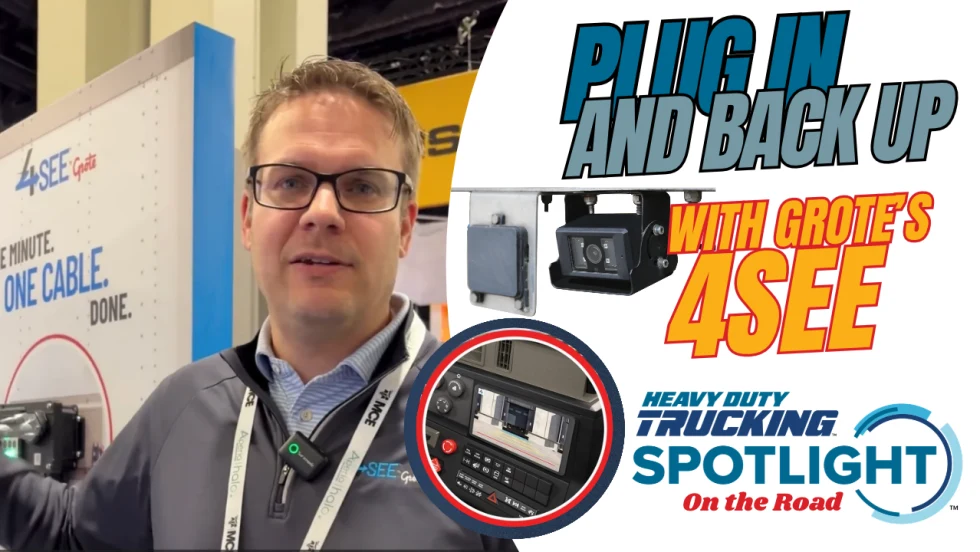
More Trailer Data Through the Same Seven-Way [Video]
Can trucking’s standard seven-way connector handle more cameras and trailer data? Grote’s Adam Slade shows HDT how the company is using new technology with its 4See trailer system, not only to add a new backup camera but also to expand other capabilities — without adding another connection.
Read More →
Grote: More Cameras, Same Seven-Way Connector
The next-generation 4See rear-view backup camera from Grote uses the standard seven-way connector and supports additional cameras and other trailer data.
Read More →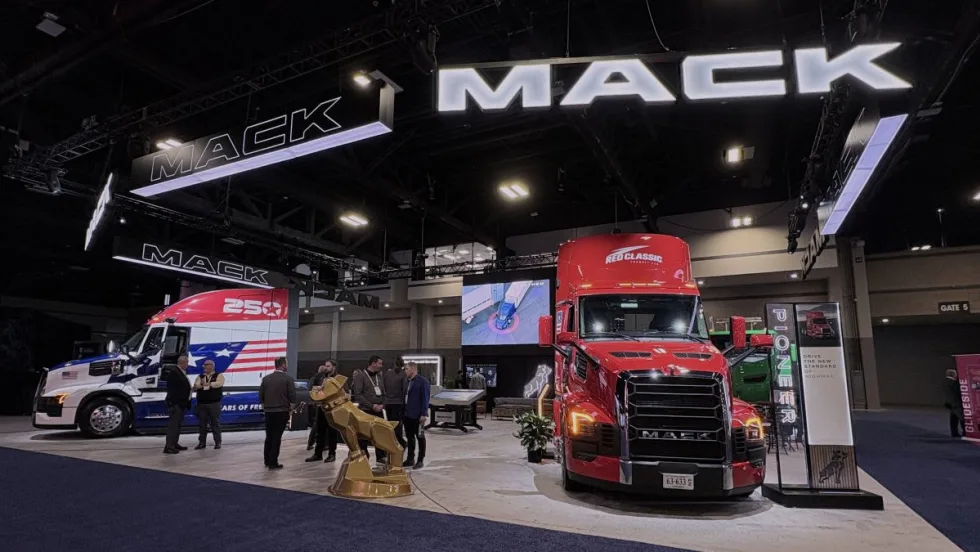
Trucks at ATA's 2026 MC&E in Charlotte, North Carolina [Photos]
From rigs decked out in patriotic America's 250 paint schemes to autonomous trucks and more, check out these photos from ATA's 2026 Management Conference & Exhibition.
Read More →
Help HDT Find Trucking’s Top Products
Have you come across a new product that could make a difference for trucking fleets? Nominate it for HDT’s 2027 Top 20 Products Awards by November 9.
Read More →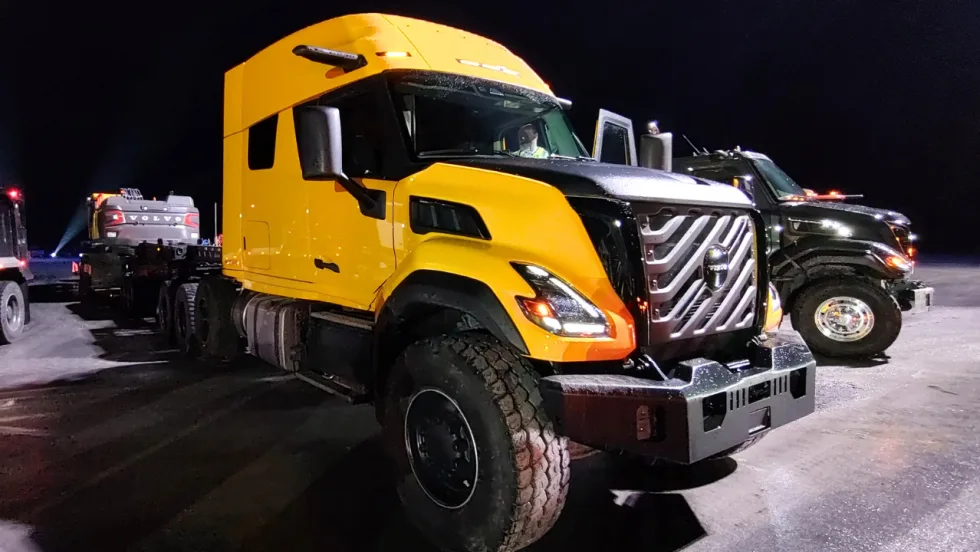
Volvo Unveils New VNX Heavy-Haul and Vocational Truck
Volvo Trucks has launched the VNX, a new vocational truck also available as a tractor in day cab and two sleeper configurations, with one heavy-haul model. The Volvo VNX is powered by Volvo's D13 platform, which delivers up to 540 horsepower and 1,950 pound-feet of torque and is EPA 2027-compliant.
Read More →
How GP Transco Cuts Trucking Fuel Costs, a Tenth of a Gallon at a Time
What’s another tenth of a mile per gallon worth? GP Transco shares how equipment upgrades and driver coaching turn small gains into meaningful fuel savings.
Read More →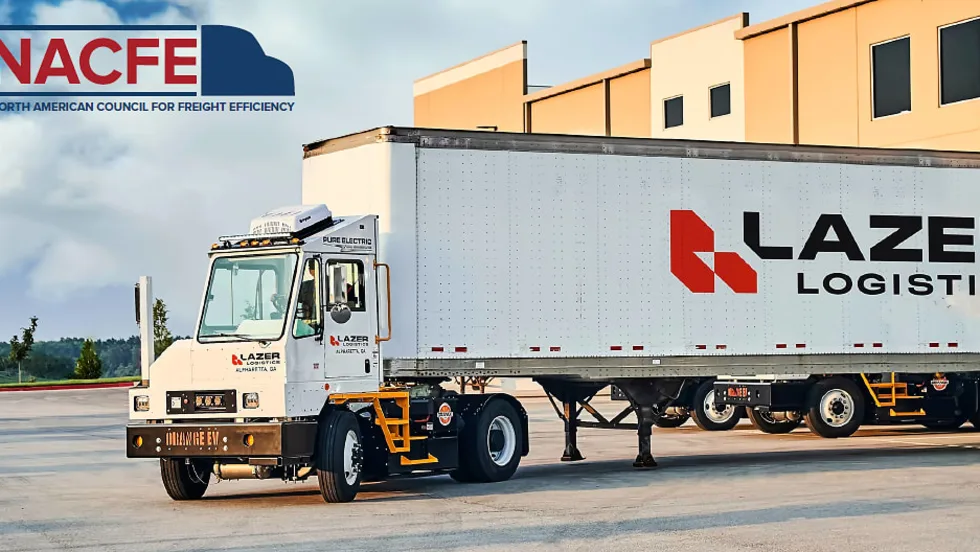
Electric Yard Tractors Move Beyond Pilots
Operating-cost savings have overtaken sustainability goals as the leading reason surveyed fleets are adopting battery-electric terminal tractors, according to new NACFE research.
Read More →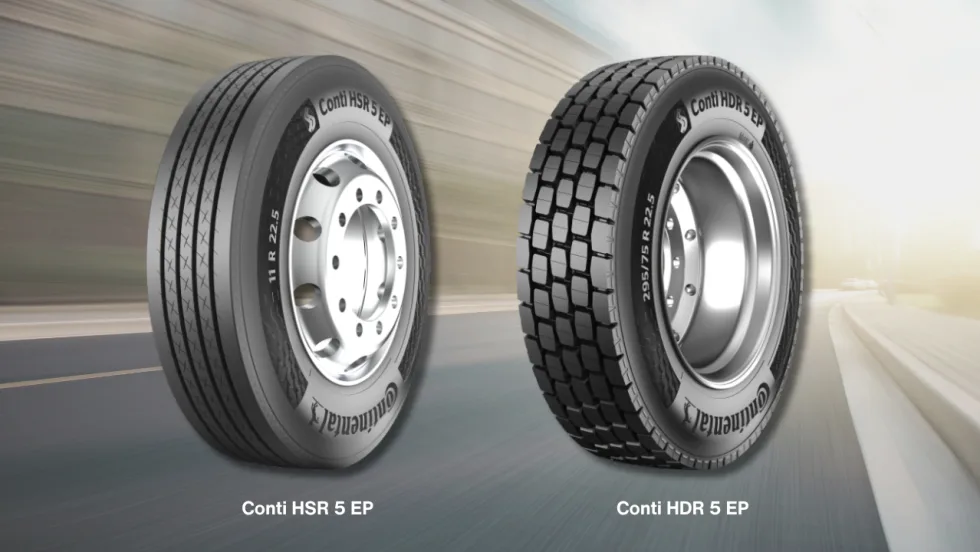
Continental Introduces New Regional Truck Tires
Continental says its new Generation 5 steer and drive tires for regional operations offer longer tread life, with estimated mileage gains of 22% and 19%, respectively.
Read More →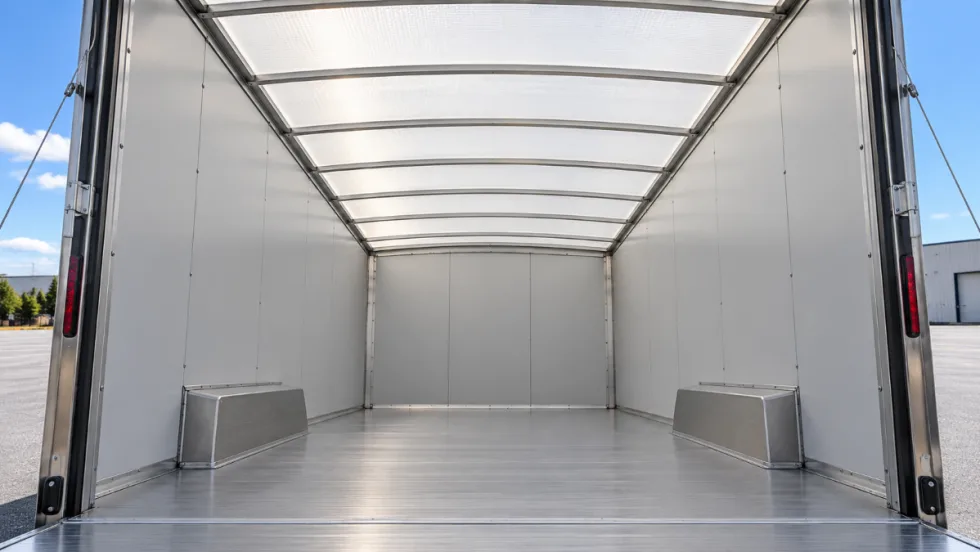
Tekmodo Introduces CargoBright Brand for Translucent Trailer Roofs
CargoBright is designed to diffuse daylight across the cargo area while performing as a working vehicle roof.
Read More →
Fleet Economics Shape Electric Truck Outlook
ACT Research expects costs, charging infrastructure, and technology improvements to drive zero-emission commercial vehicle adoption as federal regulations and incentives retreat.
Read More →