





Related: Cummins Invests Big in Truck Electrification Technologies
Cummins Shows Medium-Duty Lineup, EPA/CARB Natural Gas Certifications
The Cummins Westport B6.7N natural gas engine recently received certifications from both the U.S. Environmental Protection Agency and the California Air Resources Board.
March 5, 2020
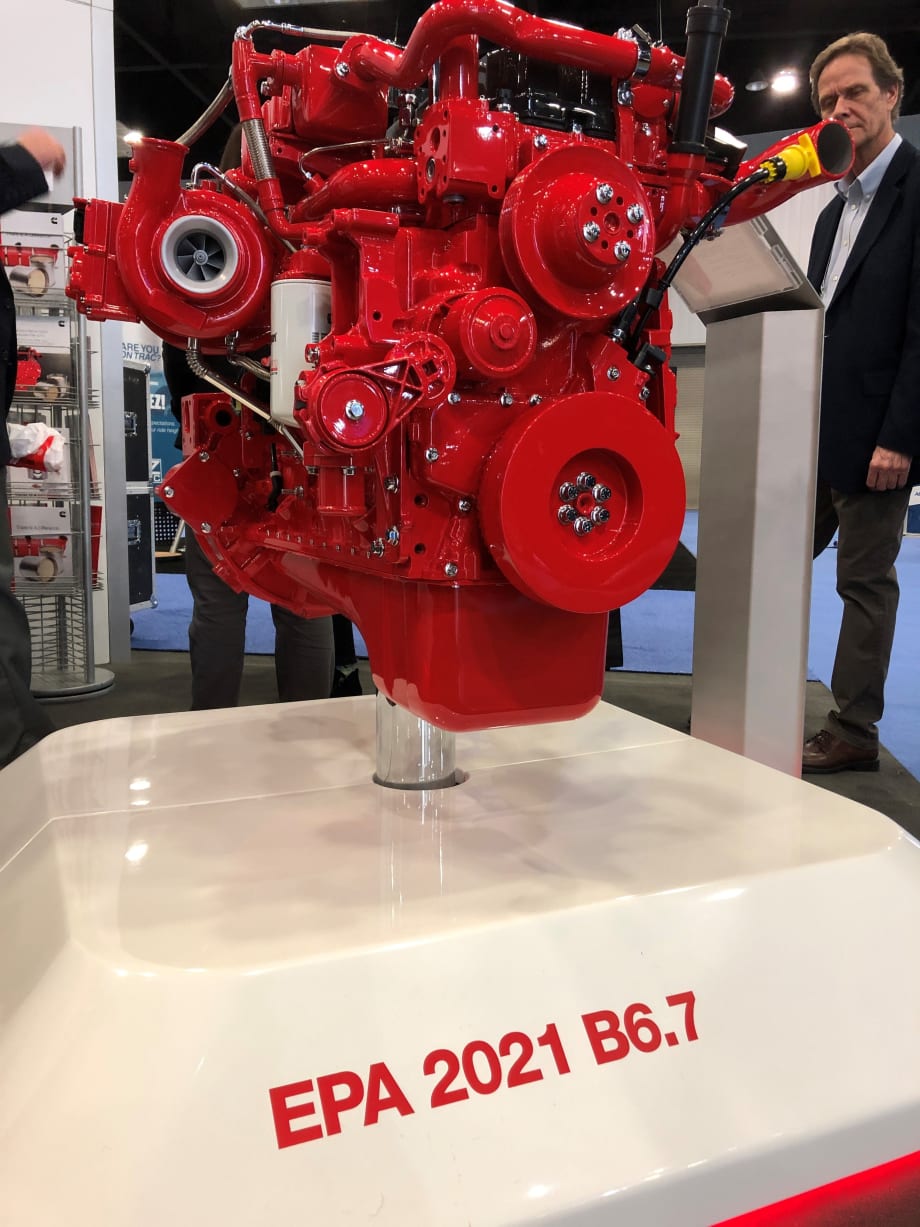
With the recent CARB and EPA certifications of the B6.7, all Cummins Westport natural gas engines now have near-zero certifications.
Photo: Jim Park
3 min to read
Cummins anounced at The Work Truck Show in Indianapolis that its commitment to deliver sustainable products and lower NOx emissions continues with certification of the Cummins Westport B6.7N natural gas engine. It recently received certifications from both the U.S. Environmental Protection Agency and the California Air Resources Board. The B6.7N meets the optional Low NOx standard of 0.02 g/bhp-hr, a 90% reduction from engines operating at the current EPA NOx limit of 0.2 g/bhp-hr.
"All three platforms of our natural gas product line are now 'near-zero' certified," said Tom Hodek, director sales and marketing and new product development, Cummins Westport. "We certified the ISL G back in 2016 to 0.02. In 2018, we certified the ISX12N to 0.02, and the last piece of the puzzle, the 6.7N, is now at 0.02 also.
"On top of that, we are also 2027 GHG compliant. From an emissions perspective, you are not going to find a cleaner engine on the market today."
Next-Generation Medium-Duty Engines
Cummins introduced its next generation of medium-duty on-highway diesel and natural gas engines on Tuesday at the Work Truck Show in Indianapolis, as well as enhancements to the 2021 B6.7 and L9 diesel engines. "We focused on making the engines even more reliable, and more efficient," said Rob Neitzke, Cummins’ executive director for North American truck OEM business.
Enhancements to the next generation of B6.7 and L9 engines were made with customers’ total cost of ownership in mind, Cummins said. Both engines feature extended oil drain and fuel filter replacement intervals, and a redesigned breather that is now maintenance-free.
"Oil drain intervals on the B6.7 can get you up to 30,000 miles or 1,000 hours," Neitzke said. "On the L9, you can get up to 50,000 miles or 1,500 hours. Fuel filter intervals on the L9 are up to three times linger than the current product while the B6.7 interval is up to four times linger than the current product.We are also excited about the improved connectivity of the products coming into 2021," he added.
Cummins’ suite of Connected Solutions is built on an open digital platform that is interconnectable with diverse environments. The portfolio offers fleet management tools and cost-saving technologies that include a suite of remote-monitoring, reporting, calibrating and servicing solutions designed to enhance the customer experience across product lifecycles. In the future, prognostics will help detect and diagnose issues early and be paired with preemptive parts procurement to streamline service experiences.
"The L9, coming into 2021 still has the best power density in the industry, but we have also reduced frictional losses in the engine, further optimized combustion and now we are able to deliver fuel efficiency improvements up to 5% across the board," said Neitzke.
For truck applications, the 2021 L9 base warranty is now three years / unlimited miles.
More Fuel Smarts
Trucking’s Diesel Squeeze Isn’t Letting Up
With diesel topping $6 a gallon nationally, ATA's Bob Costello explains why fleets should prepare for continued pressure at the pump.
Read More →
FlowBelow Redesigns Trailer AeroSlider to Cut Fuel Use
The lighter trailer aerodynamic system installs in less than 45 minutes, according to the company, with potential payback in under a year depending on fuel prices and trailer mileage.
Read More →
Why Diesel Price Relief Efforts May Fall Short
Diesel prices have eased from September’s record high, but doubts about additional Russian supply and limits on dyed-diesel tax relief mean trucking fleets still face expensive fuel. And prices could go higher.
Read More →
Why Small Fuel Savings Matter in Trucking
Can better fuel economy help pay for driver raises? In this podcast, GP Transco explains how small efficiency gains create room to reinvest in its people.
Read More →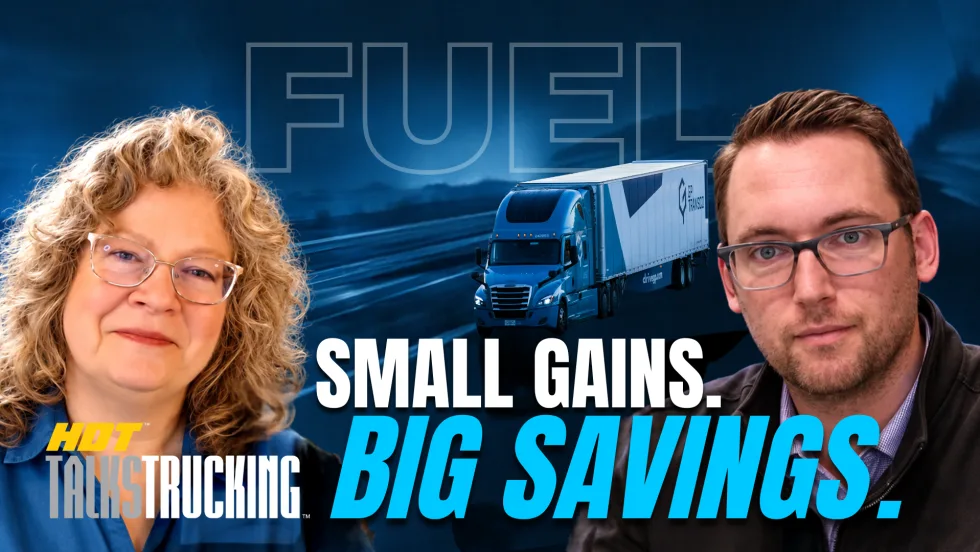
How GP Transco Cuts Trucking Fuel Costs, a Tenth of a Gallon at a Time
What’s another tenth of a mile per gallon worth? GP Transco shares how equipment upgrades and driver coaching turn small gains into meaningful fuel savings.
Read More →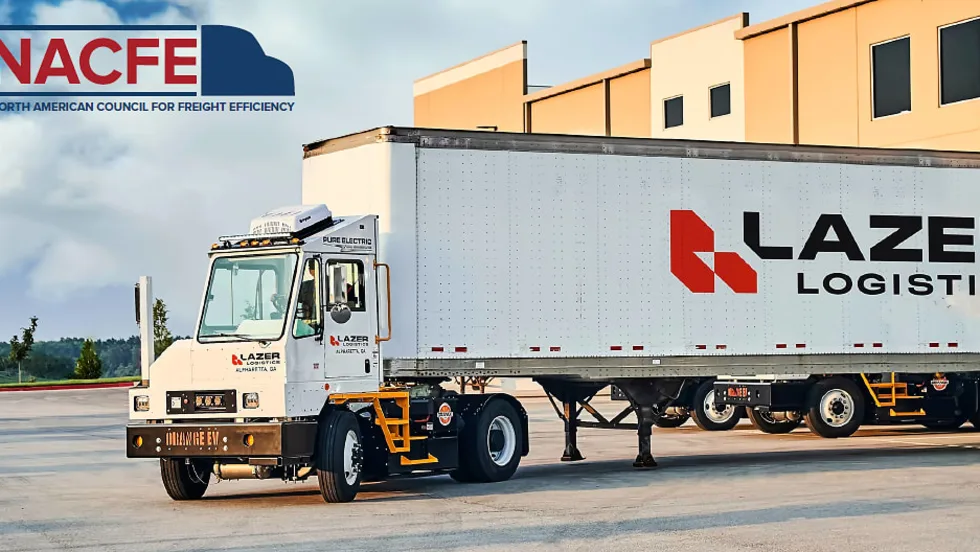
Electric Yard Tractors Move Beyond Pilots
Operating-cost savings have overtaken sustainability goals as the leading reason surveyed fleets are adopting battery-electric terminal tractors, according to new NACFE research.
Read More →
Geotab Links Fleet Card to Vehicle Data
The new card combines fuel discounts with telematics-based purchase controls. Geotab’s analysis also points to potential savings from choosing lower-priced fuel stops.
Read More →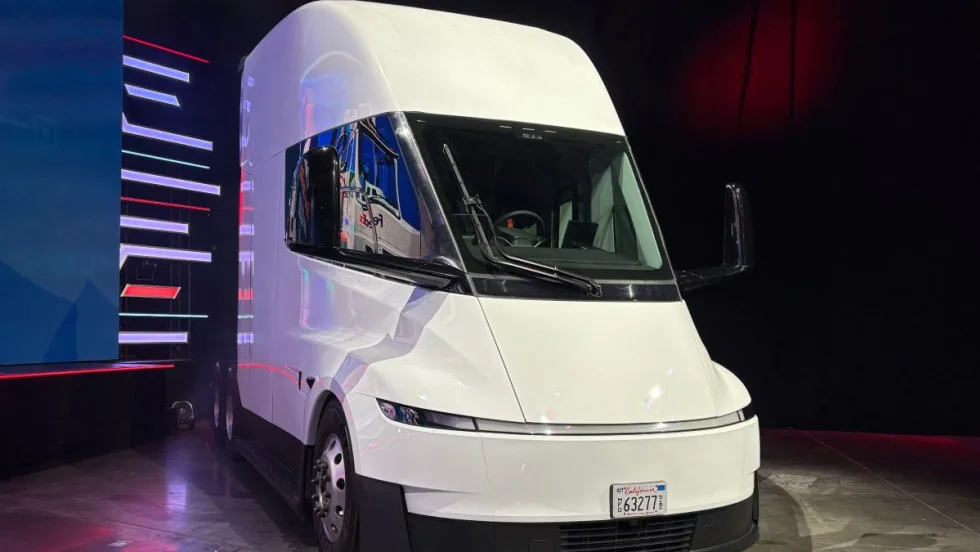
Fleet Economics Shape Electric Truck Outlook
ACT Research expects costs, charging infrastructure, and technology improvements to drive zero-emission commercial vehicle adoption as federal regulations and incentives retreat.
Read More →
Wex Adds Cardless Fuel Payments for Over-the-Road Customers
A new fuel card feature for Wex customers offers convenience and security.
Read More →
New California Law Could Shed Light on Electric Truck Prices
Why do battery-electric Class 8 trucks remain so expensive? A California bill signed by Gov. Gavin Newsom would give fleets and state agencies more visibility into what manufacturers charge.
Read More →