




CSA Update: Crash Accountability Study Is Coming
Some time soon the Federal Motor Carrier Safety Administration will go public with its analysis of how to account for fault in the crash data it uses to assess carrier safety performance. Joe DeLorenzo, director of the agency’s Office of Enforcement and Compliance, said the agency is preparing a report to Congress and a Federal Register notice.

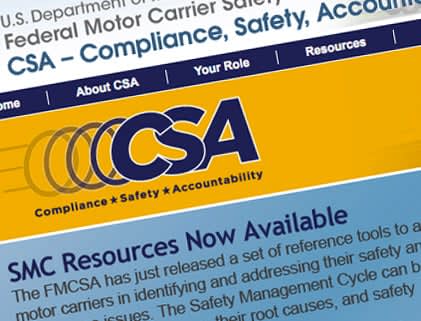

Some time soon the Federal Motor Carrier Safety Administration will go public with its analysis of how to account for fault in the crash data it uses to assess carrier safety performance.
Joe DeLorenzo, director of the agency’s Office of Enforcement and Compliance, did not discuss the timing or details of the analysis in a CSA presentation Tuesday in Arlington, Va., but did say the study is done and has been peer-reviewed.
The agency is preparing a report to Congress and a Federal Register notice, he said in remarks to the CSA Subcommittee of the Motor Carrier Safety Advisory Committee.
The crash accountability issue is a hot button for trucking interests that object to the agency including non-fault crashes in the CSA Safety Measurement System, which measures safety performance. The agency takes this approach because its ability to distinguish fault is limited and there is a statistical probability that some of the crashes will be the carrier’s fault.
Meanwhile, DeLorenzo said, the agency is working on improvements to CSA.
One is to include in the database the results of court rulings on carrier challenges of roadside inspection citations. DeLorenzo said the agency is reviewing the more than 100 comments it received on this proposal and will publish an implementation plan this spring.
He said the agency also is working on improvements to the website where the public has access to CSA safety data.
The big CSA issue remains the proposed rule on carrier Safety Fitness Determination, the process by which the agency will use roadside inspection data and investigations to decide if a carrier is fit to operate. That proposal is scheduled for publication in mid-September.
Farther down the road, the agency is considering additional substantive revisions in the CSA system.
Dave Madsen, the principal truck safety engineer at the Department of Transportation’s Volpe think tank, said regulators are looking at changing the current approach to ranking the severity of violations.
The agency now assigns each violation a severity weight from 1 to 10, with 1 being the least severe and 10 being the most.
But that approach implies a level of precision in the data that does not exist, Madsen said.
A possible solution is to simplify the measurement system into three categories: low, medium and high, with additional emphasis if the violation leads to an out-of-service order.
The agency also is considering changing the way it groups carriers by the number of inspections they have had. The system measures a carrier’s performance in relation to other carriers that have had, say, from 5 to 10 inspections. If a carrier has 11 inspections it is moved to different category with carriers that have had from 11 to 20 inspections.
Problem is, the carriers in the new group have different performance characteristics. This is why some carriers see their scores change dramatically when they have additional inspections, even if the inspections find nothing wrong.
A possible solution, Madsen said, is to move from the tiered approach to smaller segments with, say, a two-inspection differential rather than 5 or 10 inspections.
This would eliminate the problem of large jumps in a carrier’s safety percentile when moving from one segment to the next, Madsen said.
The idea was well received by members of the subcommittee, whose general reaction was: “Why wouldn’t you make this change?”
Madsen replied that the approach is a little more complex for the agency but doable.
It may make its way onto the list of recommendations for CSA improvements that the subcommittee is preparing Wednesday. These will go to the full advisory committee, which will consider them for submission to the agency.
More Fleet Management
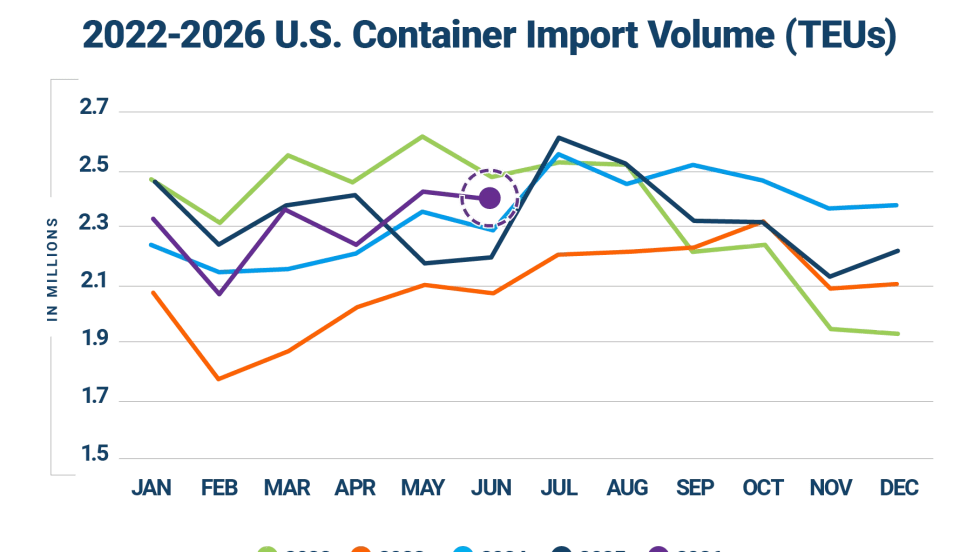
Import Cargo’s Early Peak Season is Winding Down
There was an early start to peak season this year at the nation's gateway ports, as retailers brought in merchandise ahead of tariff changes in late July and responded to other supply chain uncertainties,
Read More →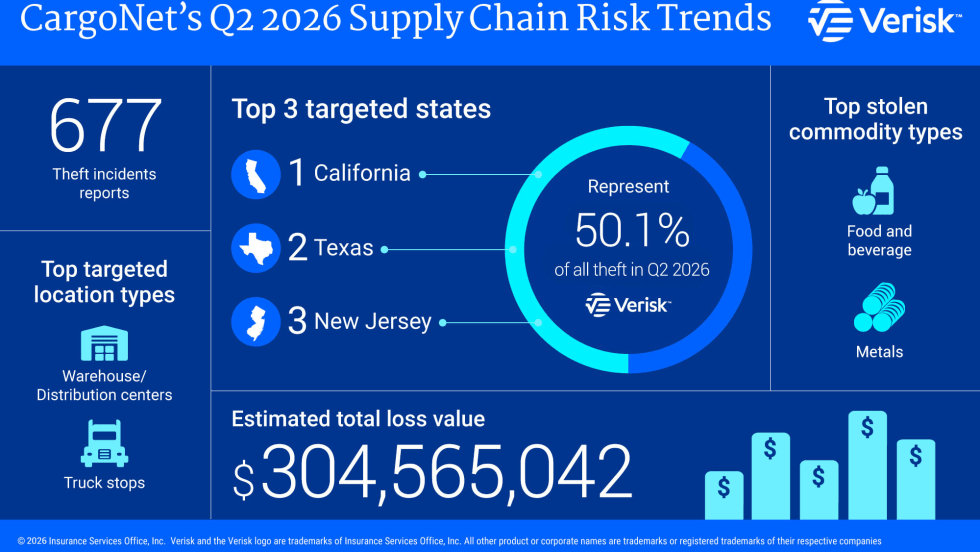
Fewer Cargo Thefts, Bigger Losses: Criminals Target Higher-Value Loads
CargoNet says organized theft rings are stealing fewer shipments but choosing more valuable freight, including metals and technology, resulting in record losses.
Read More →
How Innovative Trucking Leaders Turn Change Into an Advantage
As the pace of change accelerates in trucking, the fleets that adapt best have more than the latest technology. They have cultures that embrace improvement.
Read More →
Freight Broker Bonds Just Got Harder to Get. Here's What That Means for Your Fleet.
When it gets harder for a freight broker to prove they are financially sound, the ones who cannot clear that bar get pushed out of the market. And those are exactly the brokers who used to leave motor carriers holding the bag.
Read More →
Long-Awaited Canadian Border Bridge to Open in Detroit
For trucking, the bridge opening should offer immediate improvements in efficiency and reliability, with new customs facilities, expanded inspection capacity, and direct freeway-to-freeway connections.
Read More →
Aurora Rolls Out Next Generation of Driverless Trucks for Commercial Freight
Aurora's latest autonomous trucks it's rolling out with International feature lower-cost hardware designed for a million miles as the company expands commercial driverless freight operations across the U.S. Sun Belt.
Read More →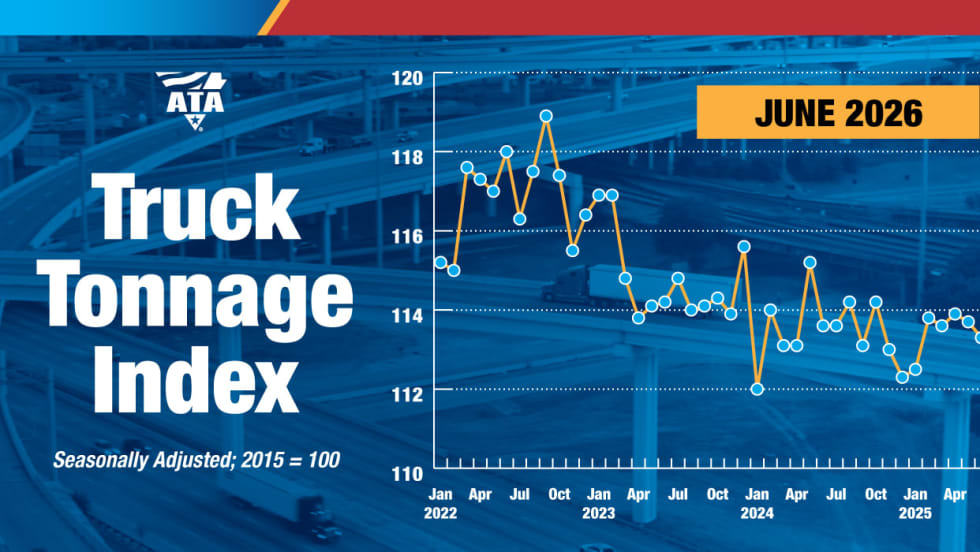
Freight Tonnage Down, Rates up, as Lower Capacity Powers Trucking Recovery
The recovery from the freight recession continues to be driven by reduction in capacity rather than by increased demand.
Read More →
Think Your Trucking Fleet Isn't Using Much AI? Think Again
Shadow AI — the use of unauthorized artificial intelligence tools at work — is becoming increasingly common, putting sensitive company data at risk. Learn how trucking fleets can protect sensitive data while embracing AI.
Read More →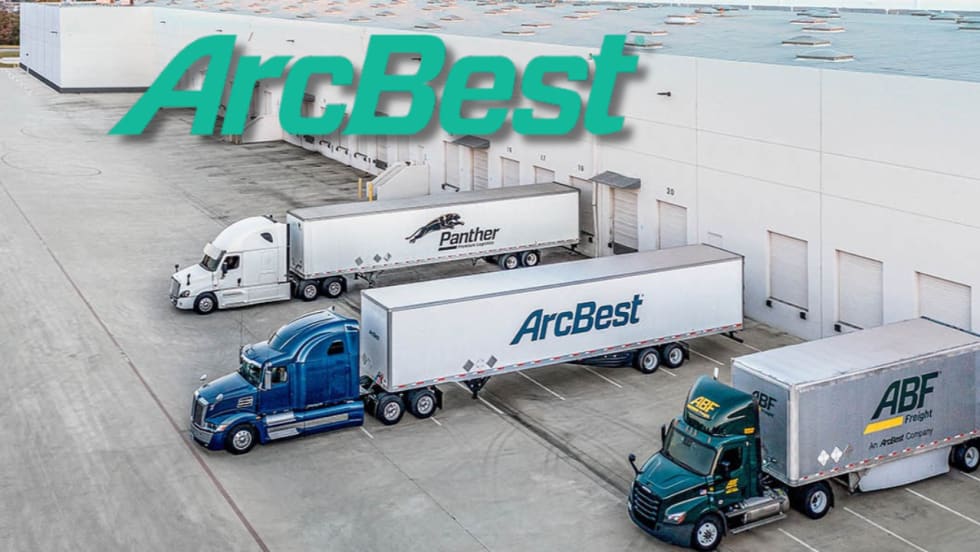
ArcBest Consolidates Brands, Cuts Workforce
The company will bring three business units under the ArcBest brand, eliminate about 2% of positions, and expects the changes to generate $40 million in annual savings.
Read More →
Trucking Fleets Faced Record Operating Costs During Third Year of Freight Recession
ATRI's annual operational cost report shows carriers trimmed fleets, delayed equipment purchases, and ran older trucks as expenses continued to outpace freight rates.
Read More →