





Related – Q&A: NACFE Celebrates a Decade of Profiling New Technologies
Could Ocean-Going Fleets Raise Fuel Prices for Truck Fleets?
New emissions regulations targeting large ocean-going ships could raise fuel prices for trucking fleets at the pump on dry land, says NACFE’s Dave Schaller.
May 9, 2019
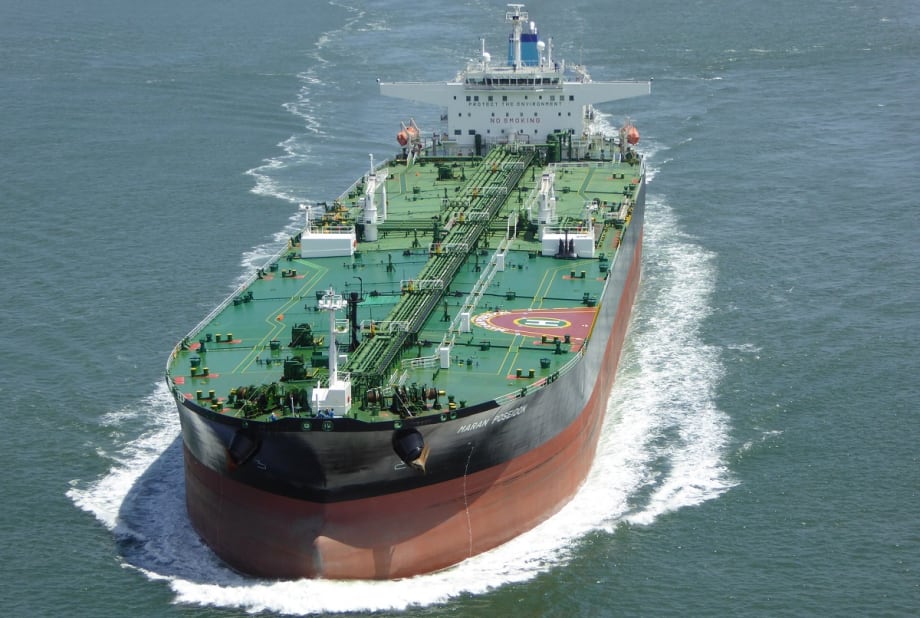
New emissions regulations targeting large ocean-going ships could raise fuel prices for trucking fleets at the pump on dry land.
Image by Gerhard Traschütz from Pixabay
3 min to read
Have you heard about another round of emissions regulations coming in January of 2020 called IMO 2020?
If you haven’t, it’s understandable. IMO stands for International Maritime Organization — it’s the international group that sets policies and regulations for large, ocean-going vessels like container ships and cruise ships. Beginning next year, this organization will start to implement a round of emissions reduction regulations that sound all too familiar to trucking executives.
That’s was the word from David Schaller, the industry engagement director for the North American Council for Freight Efficiency, speaking at HDT’s Heavy Duty Trucking Exchange event in Scottsdale, Arizona, on May 9.
NACFE is a non-profit organization dedicated to helping North American fleet executives assess and deploy emerging technologies that can both help reduce the consumption of petroleum-based fuels while boosting the bottom lines for carriers.
Schaller opened his remarks by noting that recently, with fuel prices either low or hovering in a manageable price range over the past few years, fleet fuel efficiency — while important — hasn’t been the priority for some fleets that it was during the fuel price spike that drove many carriers out of business in 2007 and 2008. “And while at NACFE we always feel fuel economy is important, there’s good reason to think that it may become a priority for fleets again beginning next year.”
That’s because, Schaller told HDTX attendees, that beginning next year, the owners of large, ocean-going vessels will have to begin adopting either new technology, or new using new fuels, in order to meet the strict new emissions mandates imposed on the maritime industry.
“But unlike the trucking industry,” Schaller noted, “maritime fleets are being given a series of choices on how they can choose to meet those new standards. The first choice is to switch over to liquefied natural gas as a fuel for the vessel. The second is to install emissions scrubbers ... on the exhaust systems of these ships. And the third is to begin burning ultra-low sulfur diesel fuel in a vessel — the same exact fuel that powers the trucks in your fleet. And the fuel tanks on those ships hold an awful lot more fuel than the ones on your trucks do.”

David Schaller, industry engagement director for NACFE, said new diesel exhaust emissions regulations for the maritime industry could cause low-sulphur fuel prices to rise beginning next year.
Photo: Jack Roberts
Currently, most marine vessels burn a much dirtier, and cheaper, low-grade diesel fuel, which emits a much higher level of pollutants into the atmosphere than ultra-low sulfur diesel.
Obviously, Schaller said, given the laws of supply and demand, it’s logical to assume that as these new, high-volume users of ULSD begin to purchase large quantities of the fuel, prices will rise accordingly with the increased demand.
Schaller said that while it’s too soon to pin any exact figures on how large an affect the maritime industry will make on low-sulphur fuel prices, he did note that current estimates suggest that only around 10% of vessels were likely to switch to liquefied natural gas burning engines, with another 10% likely to install million-dollar emission scrubbers to exhaust systems. “In all, he said, “it seems like that approximately 75% to 80% of these vessels will simply opt to burn low-sulfur diesel in order to meet these new regulations.”
Luckily, Schaller said, the trucking industry has made tremendous strides in boosting tractor-trailer fuel efficiency since the dark days of sky-high fuel prices a decade ago, and added that promising new technologies are emerging — and being evaluated by NACFE — all the time.
“As an industry, we are much better poised to deal with rising fuel prices than ever before,” Schaller said. “And at NACFE, we always welcome partnerships with any company or organization will to help us evaluate and validate new fuel saving technologies or procedures as they come available.”
More Fuel Smarts

How Volvo Updated Its D13 for EPA 2027 [Watch]
Volvo’s updated D13 promises lower emissions without sacrificing performance or fuel economy. Take a closer look at what changed inside the engine in this HDT Spotlight video.
Read More →
Diesel Price Spike Shortens Payback for Natural Gas Trucks, Report Says
Energy Vision estimates fleets could recover the higher purchase price of an RNG-fueled Class 8 tractor in 1.3 to 2.8 years under current fuel-price scenarios.
Read More →
Calstart Becomes Catalyst Mobility, Reflecting Broader Focus
Calstart is now Catalyst Mobility, reflecting the nonprofit’s growing national role in clean transportation, including zero-emission trucks, infrastructure and incentive programs.
Read More →

Record Diesel Prices Squeeze Trucking Fleets
Average U.S. diesel prices have climbed to nearly $6 a gallon, surpassing the 2022 record as tight refinery capacity and Middle East disruptions keep fuel costs elevated.
Read More →
Sponsored•September 9, 2026
How Fuel Delivery Shapes Engine Performance
Fuel delivery depends on more than what happens at the injector. For fleet, maintenance and technical professionals, looking at the full path from pump to injector can provide useful context for understanding engine performance.
Read More →
East Coast Port Launches $45M Electric Truck Push
The Port Authority of New York and New Jersey announced millions in incentives for zero-emission drayage trucks, yard tractors, and new charging hubs near the port.
Read More →
California Bill Could Shed Light on Electric Truck Prices
Why do battery-electric Class 8 trucks remain so expensive? A California bill headed to Gov. Gavin Newsom would give fleets and state agencies more visibility into what manufacturers charge.
Read More →
Detroit Opens Orders for EPA 2027 Engines
Detroit isn’t starting from scratch to meet EPA 2027 diesel emissions standards. Its Gen 6 DD13 and DD15 engines keep much of today’s platform while updating the fuel and aftertreatment systems.
Read More →
Zero-Emission Truck Corridor Planned for West Coast
California, Oregon, Washington, British Columbia and Baja California are coordinating plans for truck charging and hydrogen fueling from Canada to Mexico.
Read More →
A Closer Look at Kenworth’s Electric T880E Vocational Truck [Video]
Learn more about Kenworth's T880E battery-electric vocational truck at the Paccar Technical Center, including its range, applications, upfitting considerations, and PTO options, in this HDT Spotlight video.
Read More →