




Controversy Surrounds Hoover Dam Bypass Proposal
Controversy continues over how to alleviate the bottleneck caused by the two-lane road running over Hoover Dam
Controversy continues over how to alleviate the bottleneck caused by the two-lane road running over Hoover Dam.
The bottleneck is a big problem on the heavily traveled highway connecting Phoenix and Las Vegas. According to Associated Press reports, highway officials say another route is necessary because of the increasing volume of traffic over the dam, especially heavy trucks.
The federal government is joining forces with the trucking industry and state officials to push for the production of a $200 million bridge south of Hoover Dam. They want a four-lane bridge that would span the river 250 feet higher than the dam.
The road across the dam has been designated as a primary transportation route under the North American Free Trade Agreement. Advocates for the new road argue that commerce shouldn't be blocked by sightseers.
Construction of the bypass bridge depends on the availability of funding and the successful navigation of the design and environmental review process, but is scheduled to begin in 2002 with completion in 2007.
Opponents of the bridge include environmentalist and American Indian groups whose main concern is the impact the construction would have on Sugarloaf Mountain and Black Canyon, the chasm that begins beneath the dam. The government's plan includes a 2,000-foot stretch of the road shearing off the top of the mountain before crossing the river. Many opponents consider the area to be a religious and cultural icon.
Some of the opponents favor putting the new highway across the river between Bullhead City, Ariz., and Laughlin, Nev., a plan that has been endorsed by both cities. But the Federal Highway Administration says the route would be too difficult to engineer.
More Drivers

Platform Science Adds Dispatch and Safety Tools
Four additions to PS Fleet help fleets monitor loads, manage driver coaching, share truck locations and adjust video system settings.
Read More →
When Language Stops the Truck: The Return of ELP Out-of-Service Orders
English language proficiency rules for commercial drivers aren’t new, but renewed out-of-service enforcement has raised the stakes. Here’s what carriers need to know before a driver reaches a roadside inspection.
Read More →
Samsara Launches Custom AI Agent Builder
Agent Studio lets fleets create AI tools for hours-of-service monitoring, reporting and driver support, including agents that communicate by phone.
Read More →
Trucker Path Expands Reserved Parking Network
Trucker Path has added close to 6,000 more truck parking spaces to its Trucker Path Reserved Parking Network with the addition of Safe Truck Parking.
Read More →
EEOC Sues Texas Trucking Company Over Driver Age Limits
The agency says Trancasa USA rejected applicants over 65 and applied tougher driving-record standards to those over 60.
Read More →
Nussbaum, Roehl Announce Second Driver Pay Increase This Year
This year has seen a swath of major truck driver pay increases as freight capacity has tightened.
Read More →
From One Generation to the Next: How Mentorship Builds Safer Truck Drivers
After three decades in trucking, Harold Perry shares what he's learned about driver safety, mentorship, and helping the next generation build confidence behind the wheel.
Read More →
Truck Drivers Need More Than Another Alert
Fleets have more visibility into truck health, safety events, and driver activity than ever. The next challenge is turning all that information into useful guidance for the person who has to decide what to do next.
Read More →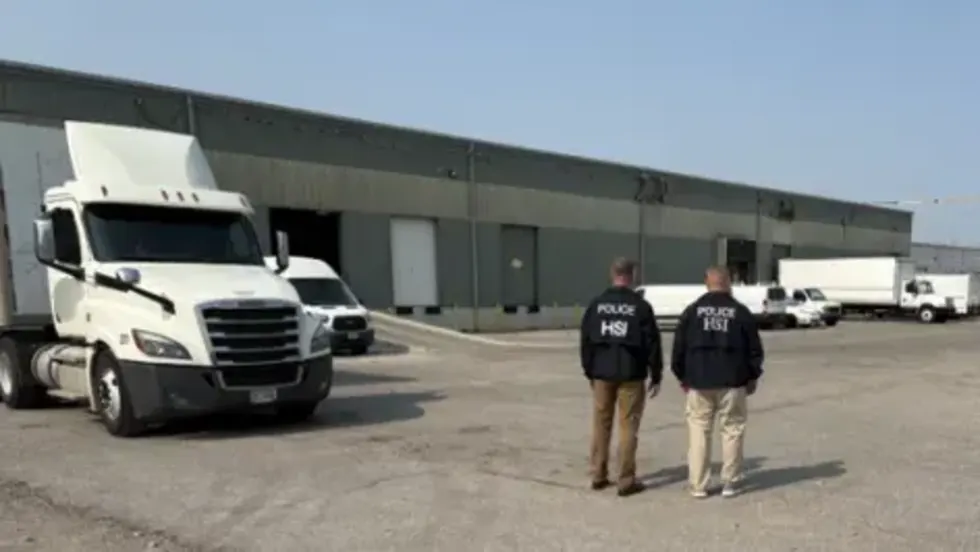
FMCSA Removes 110 Truck Driver Training Schools from Certified ELDT List
Federal regulators also are targeting more than 160 additional training providers and launching a nationwide audit of third-party CDL skills testers as part of a broader crackdown on trucking fraud.
Read More →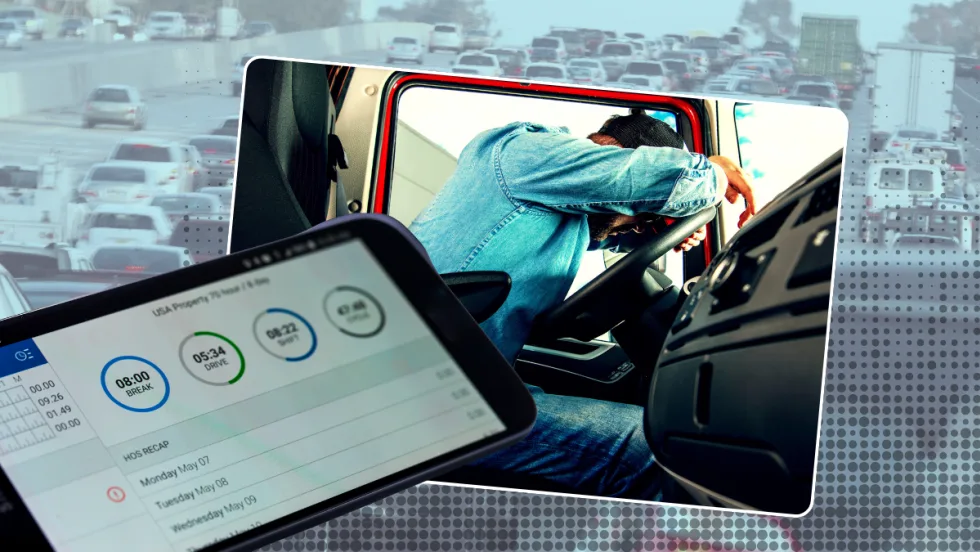
Hours of Service Pilot Programs: FMCSA Readies for 2027 Rollout
Two pilot programs could eventually reshape hours-of-service rules, giving truck drivers options to pause their 14-hour clock or use longer split sleeper rest periods.
Read More →