




Related: Environmental Group, State Attorneys Urge EPA to Keep Glider Kit GHG Rules
Controversial Glider Kit Environmental Study Comes Under Fire
A controversial study commissioned by Fitzgerald Glider Kits that played a key role in a recent EPA proposal to rollback glider kit restrictions has come under fire by the faculty of the Tennessee university that conducted it.
by Staff
February 20, 2018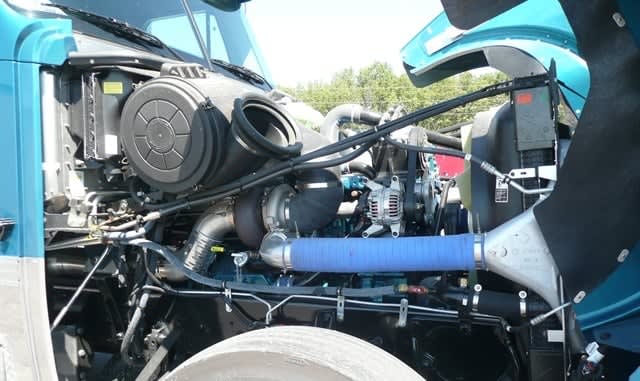
A study that played a key role in a recent EPA proposal to roll back glider kit restrictions has come under fire by the faculty of the Tennessee unversity that conducted it. Photo: Tom Berg
3 min to read
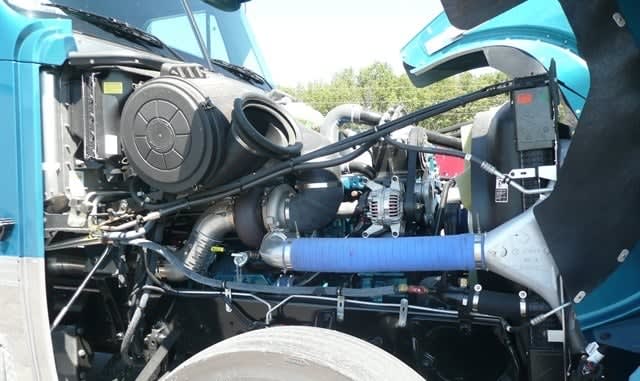
A study that played a key role in a recent EPA proposal to roll back glider kit restrictions has come under fire by the faculty of the Tennessee unversity that conducted it.Photo: Tom Berg
A Tennessee Technical University study that was funded by Fitzgerald Glider Kits and played a key role in reintroducing a glider kit loophole to the 2017 greenhouse gas regulations is being called into question by the faculty of TTU, who say that the questionable study hurts the reputation of the university.
After the Environmental Defense Fund attacked the study’s credibility earlier this year, the faculty of TTU requested an investigation into the study from the university president Phil Oldham that would submit the study to peer review, according to a report in the Herald Citizen. The study was conducted by TTU’s associate vice president of research Tom Brewer, who the faculty asked to be suspended pending the investigation’s outcome.
In addition to funding the research, Fitzgerald announced around the same time period in late 2017 that it would be building a new academic research center for TTU.
In the TTU faculty’s request to investigate the University’s study, it stated, “Our reputation and integrity as an institution and, by extension, the faculty, staff and students, are two of the most valuable assets of the university. Our reputation has recently been damaged because of a study funded by Fitzgerald Glider Kits and used to influence federal policy.”
The study in question purported to show that glider kits would not have a significant environmental impact and may actually pollute less than modern engines, going against an Obama-era EPA study that determined the opposite. The TTU study was used by Fitzgerald when it petitioned the EPA for the repeal of regulations restricting the use of glider kits under GHG Phase 2.
The study was also featured prominently in a recent Trump administration EPA proposal to repeal the glider kit restrictions, seeming to indicate that the agency, now led by Scott Pruitt, agreed with Fitzgerald’s reasoning.
During the Obama administration, the EPA capped the number of glider kits produced by any one company at 300 per year after a surge in production following the latest greenhouse gas emissions regulations. Some truck owners have found putting older pre-emissions engines in new glider kits offers both up-front price savings and maintenance savings over later engines with troublesome emissions aftertreatment gear.
Undue political influence?
In a recent New York Times report, the newspaper examined the relationships between Fitzgerald Glider Kits with political figures that may have allowed it to curry favor with the EPA. The Times found that Fitzgerald donated $225,000 to Rep. Diane Black's (R-TN) campaign for governor. Black unsuccessfully pushed to keep the glider kit loophole intact in 2015 and also reportedly played a role in introducing the TTU report to Scott Pruitt prior to the EPA’s proposal to rollback restrictions.
A spokesperson for Black told the Times that she was not influenced by the campaign contributions and was merely supporting her constituents. Tommy Fitzgerald, the owner of Fitzgerald, also characterized Black’s actions as "good public policy" because of the number of jobs at stake as a result of the EPA’s decisions.
In addition to environmental interest groups, the glider kit loophole is opposed by some truck and engine manufacturers, such as Cummins, Volvo and Navistar, who say that the loophole unfairly favors groups that are skirting the official emissions regulations and may encourage more dealers to enter the glider business, further compounding the issue.
More Fuel Smarts

How Volvo Updated Its D13 for EPA 2027 [Watch]
Volvo’s updated D13 promises lower emissions without sacrificing performance or fuel economy. Take a closer look at what changed inside the engine in this HDT Spotlight video.
Read More →
Diesel Price Spike Shortens Payback for Natural Gas Trucks, Report Says
Energy Vision estimates fleets could recover the higher purchase price of an RNG-fueled Class 8 tractor in 1.3 to 2.8 years under current fuel-price scenarios.
Read More →
Calstart Becomes Catalyst Mobility, Reflecting Broader Focus
Calstart is now Catalyst Mobility, reflecting the nonprofit’s growing national role in clean transportation, including zero-emission trucks, infrastructure and incentive programs.
Read More →

Record Diesel Prices Squeeze Trucking Fleets
Average U.S. diesel prices have climbed to nearly $6 a gallon, surpassing the 2022 record as tight refinery capacity and Middle East disruptions keep fuel costs elevated.
Read More →
Sponsored•September 9, 2026
How Fuel Delivery Shapes Engine Performance
Fuel delivery depends on more than what happens at the injector. For fleet, maintenance and technical professionals, looking at the full path from pump to injector can provide useful context for understanding engine performance.
Read More →
East Coast Port Launches $45M Electric Truck Push
The Port Authority of New York and New Jersey announced millions in incentives for zero-emission drayage trucks, yard tractors, and new charging hubs near the port.
Read More →
California Bill Could Shed Light on Electric Truck Prices
Why do battery-electric Class 8 trucks remain so expensive? A California bill headed to Gov. Gavin Newsom would give fleets and state agencies more visibility into what manufacturers charge.
Read More →
Detroit Opens Orders for EPA 2027 Engines
Detroit isn’t starting from scratch to meet EPA 2027 diesel emissions standards. Its Gen 6 DD13 and DD15 engines keep much of today’s platform while updating the fuel and aftertreatment systems.
Read More →
Zero-Emission Truck Corridor Planned for West Coast
California, Oregon, Washington, British Columbia and Baja California are coordinating plans for truck charging and hydrogen fueling from Canada to Mexico.
Read More →
A Closer Look at Kenworth’s Electric T880E Vocational Truck [Video]
Learn more about Kenworth's T880E battery-electric vocational truck at the Paccar Technical Center, including its range, applications, upfitting considerations, and PTO options, in this HDT Spotlight video.
Read More →