




Congestion on the nation's highways is getting worse, and the worst place to be is in California.
The Texas Transportation Institute issued its list of the top 10 most congested cities in the U.S. Los Angeles took the top spot, followed by San Francisco-Oakland, Seattle, Washington D.C., San Diego, Chicago, Boston, Portland, Atlanta and Las Vegas.
In addition, TTI found that the average person spends 36 hours a year sitting in traffic, compared to 34 hours two years ago, and 11 hours in 1982.
California is home to three of the top 10 congested cities. In Los Angeles, residents in 1999 averaged 56 hours a year in bumper-to-bumper traffic. Half of California's urban freeways are considered congested because they carry more traffic than they were designed to handle.
Based on the TTI results, The Road Information Project released a report, "Stuck in Traffic," about the link between highways and the economy. TRIP says growing levels of traffic congestion could hamper the nation's economic prosperity and result in higher costs to consumers because of increased shipping costs as well as higher costs to motorists stuck in traffic.
According to TRIP, 72% of the estimated $7 trillion worth of goods shipped nationwide is transported on trucks. An additional 12 percent is transported by courier services, bringing the total to 84% of all goods s hipped that travel on the nation's roads and highways. Freight shipments are expected to double in most parts of the country over the next 20 years, according to the group, with trucks projected to carry 82% of the new total amount of tonnage.
Congestion Getting Worse
Congestion on the nation's highways is getting worse, and the worst place to be is in California
More Drivers

New Trojan Driver Cargo Theft Scam Bypasses Carrier Vetting Systems
Cargo theft rings plant operatives as drivers inside legitimate, fully vetted carriers, then execute coordinated thefts that look like a traditional straight theft from the outside.
Read More →
WIM, Trucker Path Name Top 3 Women-Friendly Truck Stops
ATA’s Women In Motion Council and Trucker Path highlight three truck stops that meet all seven safety-focused criteria and rank highest among female drivers.
Read More →
FMCSA Extends Paper Medical Card Exemption … Again
Five states still aren't ready to accept commercial driver medical exam information directly from the medical examiner's registry.
Read More →
Mack Launches Digital Driver Guide for Chassis-Specific Truck Info
Mack’s new, virtual owner’s manual delivers VIN-based, on-demand guidance for vehicle systems via web, app, and soon in-cab displays.
Read More →
Western Star Showcases Truckers' Pride and Skill
Western Star is expanding its Star Nation Experience in 2026, adding new competitions and dealer participation to highlight operator skills and promote careers in trucking.
Read More →
Best Fleets to Drive For: Two Carriers Earn Overall Award for First Time
CarriersEdge announced the 2026 Best Fleets to Drive For overall winners, with Crawford Trucking, Fortigo Freight Services, and FTC Transportation receiving top awards.
Read More →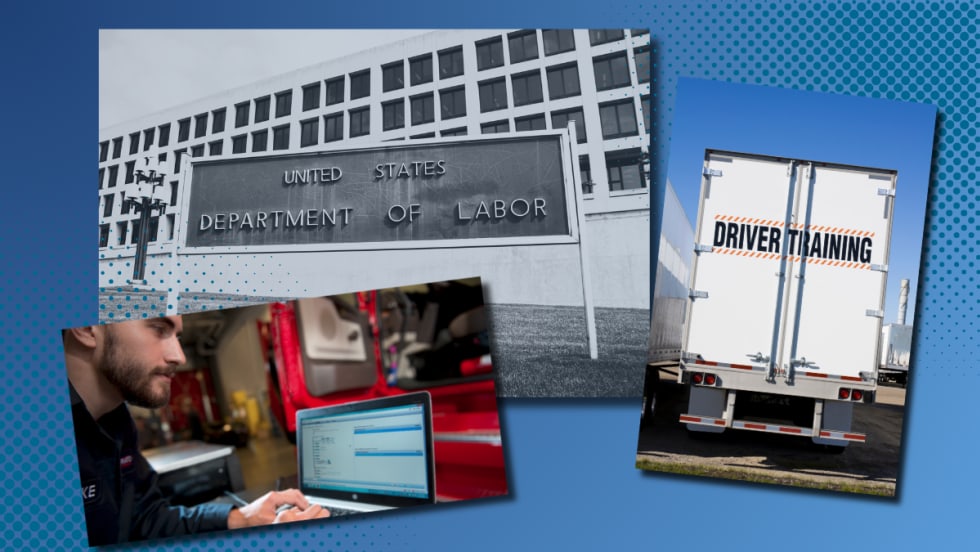
Federal Proposal Would Allow Pell Grants for Shorter-Term Job Training
The Department of Labor plans to expand Pell Grant eligibility to some shorter workforce training programs, a move the American Trucking Associations said will help strengthen commercial driver training schools and diesel technician training programs.
Read More →
Owner-Operator Model Gets Boost as DOL Proposes 2024 Independent Contractor Definition Reversal
For an industry that has watched this issue go back and forth for years, the independent contractor proposal marks the latest swing in the regulatory pendulum.
Read More →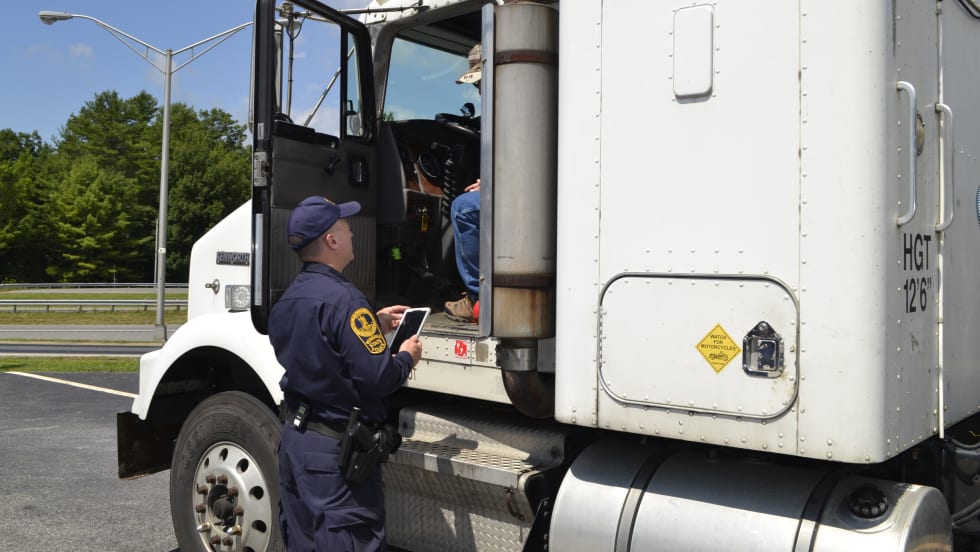
FMCSA Reinstates Field Warrior ELD to Registered Device List
One electronic logging device has been reinstated to the FMCSA's list of registered ELDs.
Read More →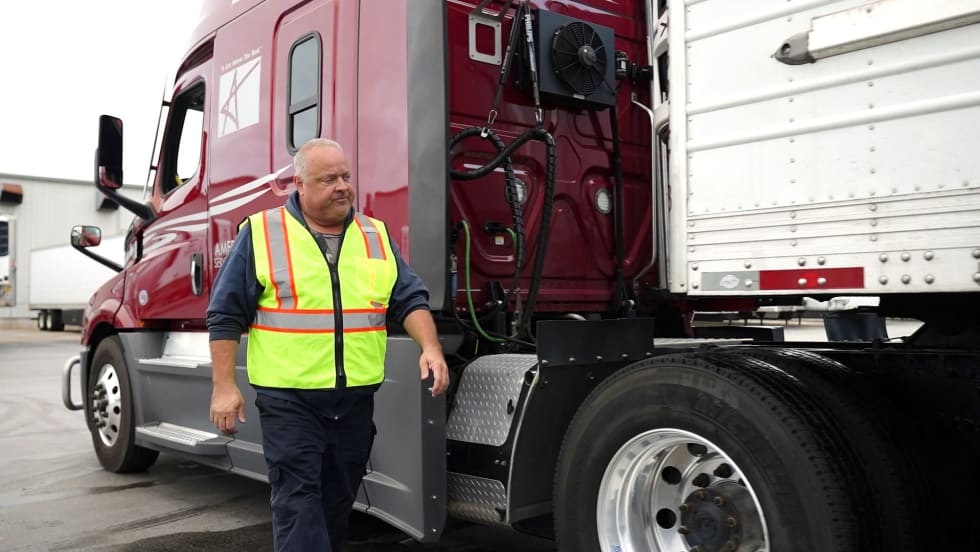
How One Company is Using Smart Suspension Technology to Reduce Driver Injuries and Improve Retention
America’s Service Line adopted Link’s SmartValve and ROI Cabmate systems to address whole-body vibration, repetitive strain, and driver turnover. The trucking fleet is already seeing measurable results.
Read More →