





Colonial Pipeline Shutdown Prompts HOS Emergency Exemption
FMCSA has issued a temporary hours-of-service exemption that applies to those transporting fuel to 17 states and D.C. in the wake of a cyberattack that caused a shutdown of a major U.S. fuel pipeline.
May 10, 2021
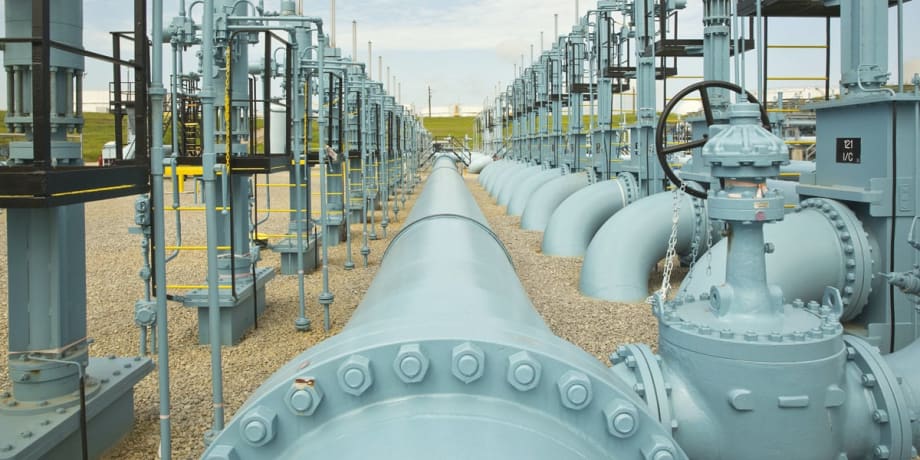
A Ransomware cyberattack forced the shutdown of Colonial Pipeline's major U.S. pipeline between Texas and New York.
Photo: Colonial Pipeline
2 min to read
A ransomware cyberattack forced the shutdown of a major U.S. pipeline between Texas and New York last week. To avoid disruption to the supply of diesel and other petroleum products, the Federal Motor Carrier Safety Administration is taking steps to create more flexibility for motor carriers and drivers hauling these products to the affected 18 states and Washington D.C.
FMCSA has issued a temporary hours-of-service exemption that applies to those transporting gasoline, diesel, jet fuel and other refined petroleum products to Alabama, Arkansas, Washington D.C., Delaware, Florida, Georgia, Kentucky, Louisiana, Maryland, Mississippi, New Jersey, New York, North Carolina, Pennsylvania, South Carolina, Tennessee, Texas, Virginia and West Virginia.
Colonial Pipeline shut down 5,500 miles of its pipeline in response to the cyberattack, the New York Times reported May 9. The “emergency conditions” create a need for immediate transportation of fuel, the FMCSA said in a press release.
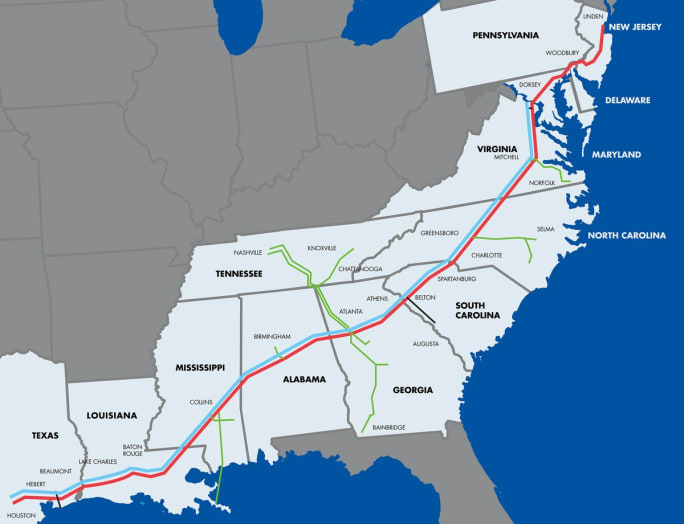
Colonial Pipeline shutdown 5,500 miles of its pipeline in response to a cyberattack on May 8.
Illustration: Colonial Pipeline
The HOS exemption will terminate when “a driver or commercial motor vehicle is used in interstate commerce to transport cargo or provide services not in support of emergency relief efforts related to the shortages of refined petroleum products due to the shutdown of the Colonial pipeline system,” according to the FMCSA. Read the full declaration here.
As the Administration works to mitigate potential disruptions to supply as a result of the Colonial Pipeline incident, @USDOT is taking action today to allow flexibility for truckers in 17 states. https://twitter.com/USDOT/status/1391504873745747970
— Jen Psaki (@PressSec) May 9, 2021
Implications of the shutdown and limited fuel supply could mean higher fuel prices. How much depends on the length of the shutdown. It may take days for normal conditions to return after the pipeline is back online, analysts at GasBuddy told CNN.
Meanwhile, the tanker industry has faced driver shortages that have been exacerbated by the COVID-19 pandemic when demand for fuel fell, National Tank Truck Carriers officials told oilprice.com.
Editor's note: This article was updated at 1:30 p.m. CT on May 11 to include the addition of West Virigina to the list of states FMCSA's HOS exemption will cover.
More Fuel Smarts

How Volvo Updated Its D13 for EPA 2027 [Watch]
Volvo’s updated D13 promises lower emissions without sacrificing performance or fuel economy. Take a closer look at what changed inside the engine in this HDT Spotlight video.
Read More →
Diesel Price Spike Shortens Payback for Natural Gas Trucks, Report Says
Energy Vision estimates fleets could recover the higher purchase price of an RNG-fueled Class 8 tractor in 1.3 to 2.8 years under current fuel-price scenarios.
Read More →
Calstart Becomes Catalyst Mobility, Reflecting Broader Focus
Calstart is now Catalyst Mobility, reflecting the nonprofit’s growing national role in clean transportation, including zero-emission trucks, infrastructure and incentive programs.
Read More →

Record Diesel Prices Squeeze Trucking Fleets
Average U.S. diesel prices have climbed to nearly $6 a gallon, surpassing the 2022 record as tight refinery capacity and Middle East disruptions keep fuel costs elevated.
Read More →
Sponsored•September 9, 2026
How Fuel Delivery Shapes Engine Performance
Fuel delivery depends on more than what happens at the injector. For fleet, maintenance and technical professionals, looking at the full path from pump to injector can provide useful context for understanding engine performance.
Read More →
East Coast Port Launches $45M Electric Truck Push
The Port Authority of New York and New Jersey announced millions in incentives for zero-emission drayage trucks, yard tractors, and new charging hubs near the port.
Read More →
California Bill Could Shed Light on Electric Truck Prices
Why do battery-electric Class 8 trucks remain so expensive? A California bill headed to Gov. Gavin Newsom would give fleets and state agencies more visibility into what manufacturers charge.
Read More →
Detroit Opens Orders for EPA 2027 Engines
Detroit isn’t starting from scratch to meet EPA 2027 diesel emissions standards. Its Gen 6 DD13 and DD15 engines keep much of today’s platform while updating the fuel and aftertreatment systems.
Read More →
Zero-Emission Truck Corridor Planned for West Coast
California, Oregon, Washington, British Columbia and Baja California are coordinating plans for truck charging and hydrogen fueling from Canada to Mexico.
Read More →
A Closer Look at Kenworth’s Electric T880E Vocational Truck [Video]
Learn more about Kenworth's T880E battery-electric vocational truck at the Paccar Technical Center, including its range, applications, upfitting considerations, and PTO options, in this HDT Spotlight video.
Read More →