




CARB Unveils Proposed Changes to California’s Truck and Bus Regulation
The California Air Resources Board unveiled proposed amendments to its Truck and Bus Regulation. The amendments are designed to provide new flexibility to truckers working to clean up their aging diesel fleets while still protecting the important emission benefits the regulation provides. CARB members will consider the changes at the April 24 hearing.


The California Air Resources Board unveiled proposed amendments to its Truck and Bus Regulation.
The amendments are designed to provide new flexibility to truckers working to clean up their aging diesel fleets while still protecting the important emission benefits the regulation provides, according to the board.
CARB members will consider the changes at the April 24 hearing.
The proposed changes were developed after some stakeholders voiced concerns regarding their ability to comply with the regulation at the October 2013 Board hearing. Truckers were able to expand on these concerns at five CARB-sponsored public workshops held across the state in December.
“The trucking community spoke and we listened,” said CARB Chairman Mary D. Nichols. “The good news is that we will not have to sacrifice the state’s air quality goals to assist fleet owners. These amendments, which include more flexible deadlines and increased opportunities to access incentive funding, will further our emissions reduction goals by better ensuring that fleets can meet the requirements of the regulation.”
Nichols added that if the board approves the changes, fleet owners who have already made investments to upgrade their vehicles will be provided with some benefits including additional time beyond what is currently allowed to keep trucks they have retrofitted.
“We recognize the huge investments that many business owners have already made in order to meet the requirements of the Truck and Bus Regulation,” Nichols said. “Their efforts have gone a long way toward helping us to meet our mandatory deadlines and we laud them for what they have accomplished.”
CARB has come under fire by trucking groups for its regulation of the industry, including facing lawsuits from the California Construction Trucking Association and the Owner-Operator Independent Drivers Association.
The proposed amendments provide additional regulatory flexibility to small fleets, lower mileage fleets and fleets in certain areas that have made substantial progress towards cleaner air. If approved, the amendments would better protect the emissions benefits of the regulation that are necessary to meet California’s air quality obligations under the federal Clean Air Act, as well as the goals of the CARB’s Diesel Risk Reduction Plan.
The proposed changes include:
• A longer phase-in period for diesel particulate matter requirements for trucks that operate exclusively in certain rural areas with cleaner air;
• Additional time and a lower cost route for all small fleet owners to meet their PM compliance requirements, while reopening opportunities for these fleet owners to apply for and receive public incentive funding;
• A compliance route for owners currently unable to qualify for a loan to finance required upgrades;
• Adjusted schedules for low-use vehicles and certain work trucks; and
• Recognition of fleet owners who took action to comply by providing additional “useable life” for retrofit trucks and reducing near-term compliance requirements.
Overall these amendments would also ensure that, by 2020, the annual emission reductions would be at the same level as with the existing regulation.
For more information, see: Proposed Amendments to the
Truck and Bus Regulation.
More Drivers

FMCSA Moves to Codify English Language Requirements for Commercial Drivers
By changing regulations on English-language proficiency requirements for commercial drivers, rather than relying on a guidance memo, the FMCSA said future administrations won't be able to walk back the Trump administration's stricter enforcement with just a memo.
Read More →
Drivers Put Western Star Trucks to the Test at Star Nation Experience
Watch to get an inside look at the Western Star trucks, technology, and community behind the Star Nation Experience 2026!
Read More →
Trump Administration Looks to Put More Veterans Behind the Wheel
The Freedom Haulers program pulls together existing and expanded programs at several federal agencies to recruit veterans to drive commercial heavy-duty trucks and cut the red tape for them to get a CDL, training, and employment.
Read More →
Putting Mack’s Command Steer to the Test
A test drive of Mack’s Command Steer active steering system evaluates how it can make truck driving easier and less tiring.
Read More →
Competition Heating Up for Truck Drivers
New report reveals rising driver hiring costs, the return of sign-on bonuses, growing AI advantages, and the operational factors shaping driver retention.
Read More →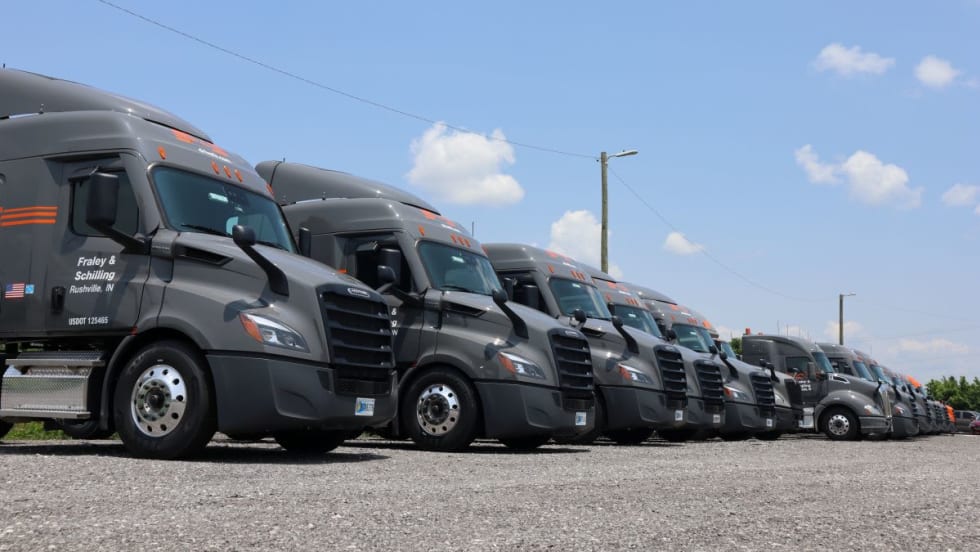
How Fraley & Schilling Improved Logbook Compliance by Over 50%
Fraley & Schilling needed a way to close a compliance workflow gap in its ELD system without adding more work from driver training, reminders, and back-office follow-ups. It found the answer in a custom driver app.
Read More →
Volvo Goes Gaming
Volvo has roared into American Truck Simulator with two new flagship trucks.
Read More →
What the Best Fleets to Drive For Teach About Driver Retention
Survey fatigue, AI-powered routing, owner-operator expectations, and the decline of social media all emerged as themes from this year's Best Fleets to Drive For program.
Read More →
Driver Retention Lessons From the Best Fleets to Drive For
What separates trucking's best workplaces from the rest? Jane Jazrawy shares the biggest lessons from this year's Best Fleets to Drive For program on driver retention, communication, AI, and workforce trends on the HDT Talks Trucking podcast.
Read More →
Farewell, CDL: Why I'm Giving Up My Commercial Driver's License
After more than 20 years as a CDL holder, HDT Executive Editor Jack Roberts is letting his commercial license expire. Not because he wants to — but because trucking's nuclear verdict crisis has made the risks of public-road test drives too great for editors, manufacturers, and everyone involved.
Read More →