




Canadian Group Urges CVSA to Count "Screen/Triage" Inspections
The Canadian Trucking Alliance urged the Commercial Vehicle Safety Alliance to record 'screen' or 'triage' inspections on a carrier's profile
The Canadian Trucking Alliance urged the Commercial Vehicle Safety Alliance to record 'screen' or 'triage' inspections on a carrier's profile.
In a discussion paper recently submitted to the CVSA, the CTA insisted that anytime a commercial vehicle is required to enter a truck inspection station or is stopped by a mobile enforcement unit - even if it is only a quick check, or what the enforcement community calls a "screen" or "triage" inspection to make sure the driver and vehicle are safe to continue down the road - an inspection should be deemed to have taken place and be recorded on the carrier's profile as a passed inspection.
CTA, a federation of the provincial trucking associations representing about 4,500 Canadian motor carriers, says it is sensitive to CVSA's desire to use state and provincial inspection resources most efficiently by attempting to select for more thorough inspection (CVSA level I, II or III) those carriers/vehicle/drivers most likely to have deficiencies. However, it says the systems used to rate carriers, such as CSA in the United States or provincial carrier monitoring systems in Canada, must accurately reflect a carrier's inspection performance in a true context of exposure. To do this, it is critical that all inspections, including screen/triage inspections, are documented, says the trucking alliance.
In its submission, CTA cites an example of a carrier, whose trucks operate mainly along a major highway and which therefore have a high rate of exposure to a truck inspection station - around say 100 a day. Of those 100 trucks, 98 are screened/triaged and then sent on their way to destination. leaving only two subject to further inspection. Of the two trucks that undergo a CVSA level 1, II or III inspection, one passes with no out-of-service defects and one has defects. Because CVSA currently only tracks inspections that generate reports, the out-of-service rate for the carrier on paper for that day is 50 percent. In reality, CTA argues, the failure rate should be 1 percent, because 99 of the company's 100 trucks were deemed fit and sent down the road.
CTA estimates that in Canada about 96 of every 100 trucks that are "screen/triaged" are sent on their way without any documentation or recording of the event - an important statistic and one that should be reflected when reporting on the safety and mechanical fitness of the industry.
While some enforcement personnel argue that a "screen/triage" inspection is simply that, a significant amount of intelligence is gathered on the driver and the vehicle, CTA says. It argues many of the fundamentals of driver and vehicle inspections found in CVSA Level 1, 2 & 3 inspections are performed in that short period of time and that CVSA-trained officers interact with trucks and drivers 24/7, 365 days a year. They are professionals and know what they are looking at.
CTA acknowledges importance of the screen/triage inspections in keeping the flow of truck traffic moving through the inspection stations. The more formal CVSA inspections require an estimated 15-20 minutes to generate an inspection report, so drivers and carriers would not support a protocol that would have their trucks sitting for longer periods of time simply to generate a piece of paper. The alliance is not calling for the end of screen/triage inspections,but contends there has to be a way to efficiently collect the information on screen/triage inspections while still maintaining efficient flow of commercial vehicles through the inspection process.
More Drivers
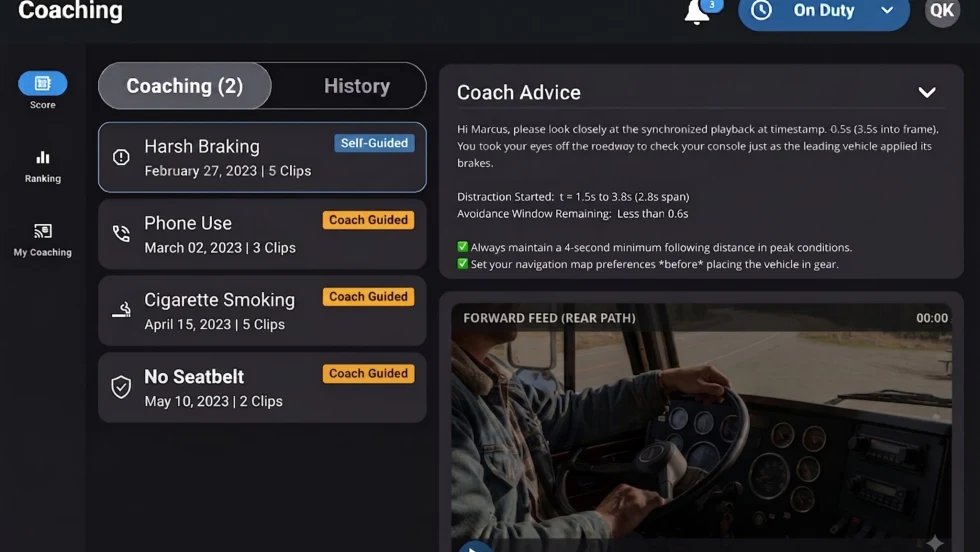
Platform Science Adds Dispatch and Safety Tools
Four additions to PS Fleet help fleets monitor loads, manage driver coaching, share truck locations and adjust video system settings.
Read More →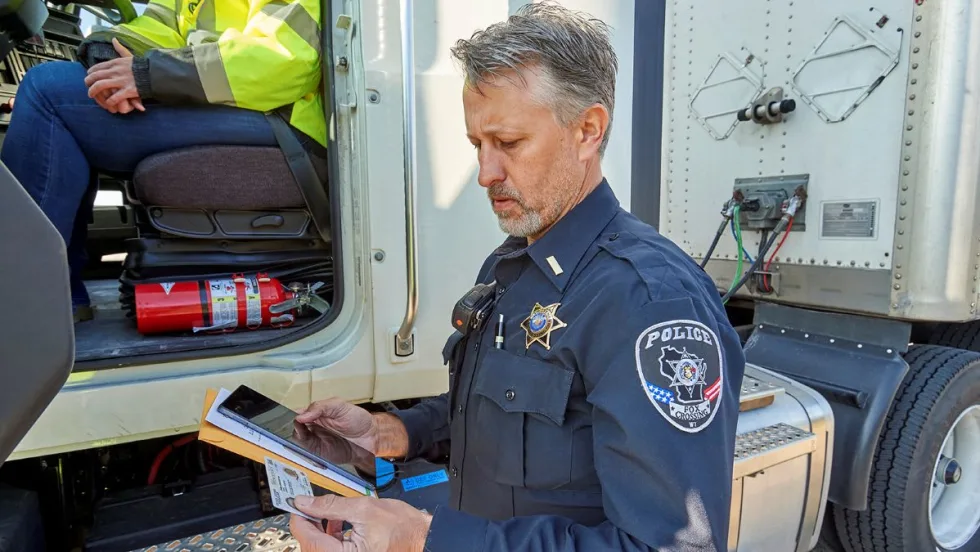
When Language Stops the Truck: The Return of ELP Out-of-Service Orders
English language proficiency rules for commercial drivers aren’t new, but renewed out-of-service enforcement has raised the stakes. Here’s what carriers need to know before a driver reaches a roadside inspection.
Read More →
Samsara Launches Custom AI Agent Builder
Agent Studio lets fleets create AI tools for hours-of-service monitoring, reporting and driver support, including agents that communicate by phone.
Read More →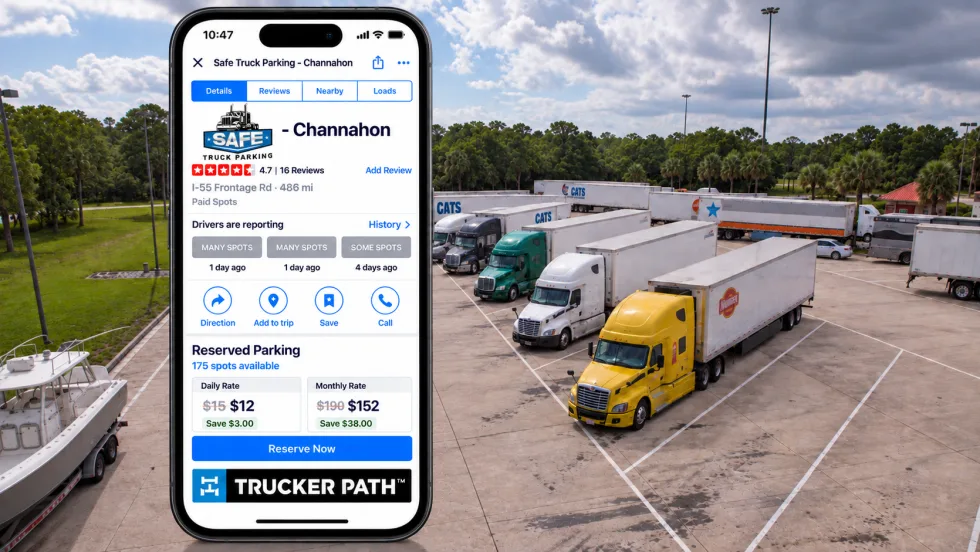
Trucker Path Expands Reserved Parking Network
Trucker Path has added close to 6,000 more truck parking spaces to its Trucker Path Reserved Parking Network with the addition of Safe Truck Parking.
Read More →
EEOC Sues Texas Trucking Company Over Driver Age Limits
The agency says Trancasa USA rejected applicants over 65 and applied tougher driving-record standards to those over 60.
Read More →
Nussbaum, Roehl Announce Second Driver Pay Increase This Year
This year has seen a swath of major truck driver pay increases as freight capacity has tightened.
Read More →
From One Generation to the Next: How Mentorship Builds Safer Truck Drivers
After three decades in trucking, Harold Perry shares what he's learned about driver safety, mentorship, and helping the next generation build confidence behind the wheel.
Read More →
Truck Drivers Need More Than Another Alert
Fleets have more visibility into truck health, safety events, and driver activity than ever. The next challenge is turning all that information into useful guidance for the person who has to decide what to do next.
Read More →
FMCSA Removes 110 Truck Driver Training Schools from Certified ELDT List
Federal regulators also are targeting more than 160 additional training providers and launching a nationwide audit of third-party CDL skills testers as part of a broader crackdown on trucking fraud.
Read More →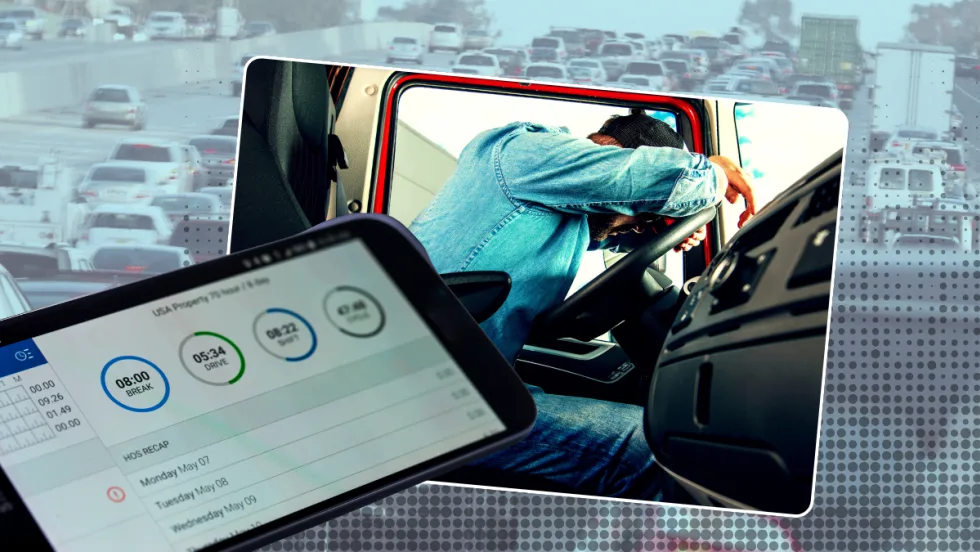
Hours of Service Pilot Programs: FMCSA Readies for 2027 Rollout
Two pilot programs could eventually reshape hours-of-service rules, giving truck drivers options to pause their 14-hour clock or use longer split sleeper rest periods.
Read More →