




California Bill Would Ban Owner-Operators at Ports
A group of trucking and shipping groups is opposing a law in California to ban the use of owner-operators at state ports, which could be voted on as early as today
A group of trucking and shipping groups is opposing a law in California to ban the use of owner-operators at state ports, which could be voted on as early as today.
AB 950, the Port Drayage Owner-Operator Ban, declares that any drayage truck operator is an employee of the company who arranges for or engages their services. The practical effect of this bill is to ban all independent contractors, also known as owner-operators, from California ports and will negatively impact activity at West Coast ports, say opponents.
The bill was introduced in February, but this week, the Assembly Labor and Employment Committee voted 5-1 to advance a bill to the full Assembly. The bill could be considered on the Assembly floor as soon as today. If approved there, AB950 would advance to the Senate for further consideration.
Assembly Speaker John Perez, D-Los Angeles, a former labor organizer, is one of the sponsors of the bill. Supporters say drivers at California's ports and intermodal rail yards are being misclassified as independent contractors rather than employees.
The bill contends that nonemployee truck operators cannot freely report many safety concerns without fear of retaliation, that nonemployee truck operators typically lack workers' compensation insurance, and that drayage driving involves a greater degree of public health and safety and worker health and safety concerns than other types of commercial driving due to the heavy weights, large loads, and frequent trips through neighborhoods, which are adversely impacted by truck pollution.
"Today, thousands of independent owner-operators provide critical goods movement services at each of California's ports," says a letter sent to California State Assembly members this week by opponents of the bill. "Owner-operators provide necessary capacity and flexibility to meet the varying demands of port drayage. To impose an employee driver mandate on the companies who arrange for drayage services is simply not consistent with reality of port activity and places California ports at another financial disadvantage to other North American ports."
The letter notes that concerns about improper misclassification can be addressed using existing and established enforcement mechanisms.
An anticipated drayage truck shortage in the coming years will be exacerbated by mandates like AB 950 that force a specific business model that results in higher, uncompetitive costs, the letter says. According to a report by Dr. John Husing on the employee mandate in the San Pedro Bay ports, the cost of drayage would increase 167 percent over the current use of owner-operators. A second report by the Boston Consulting Group on the same mandate stated that annual drayage costs would rise by at least $500 million.
Opponents also contend that the employee driver mandate proposed in AB 950 is preempted by federal law. Federal law prohibits states from taking actions that impact the rates, routes, or services of trucking companies absent qualification under a specified "safety exception." In August 2010, the U.S. District Court for the Central District of California reaffirmed its earlier finding in a case regarding the Port of Los Angeles Clean Trucks Program that the employee mandate does not meet the safety exception and is preempted by federal law. The same facts that led the District and Ninth Circuit Courts to reject that employee mandate would apply to AB 950, opponents say.
Groups opposing the bill include the California Trucking Association, the Owner Operator Independent Drivers Association, the shipper group Nasstrac, the California Chamber of Commerce, American Trucking Associations, the Intermodal Carriers Conference, the national Retail Federation, the Harbor Trucking Association and many others.
More Fleet Management
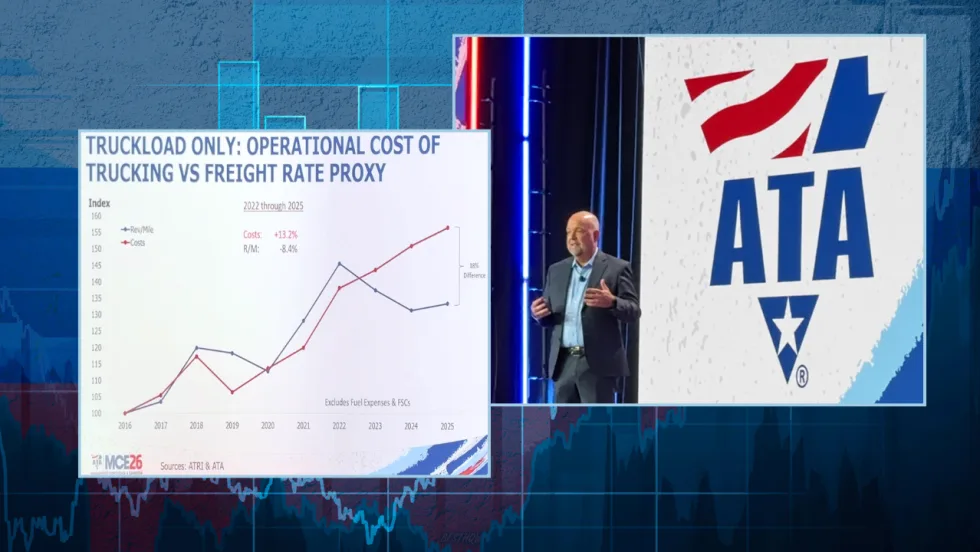
Why This Trucking Recovery Is Different
Freight demand remains sluggish, but rising costs and tougher enforcement have taken enough capacity out of the market to change the outlook for motor carriers.
Read More →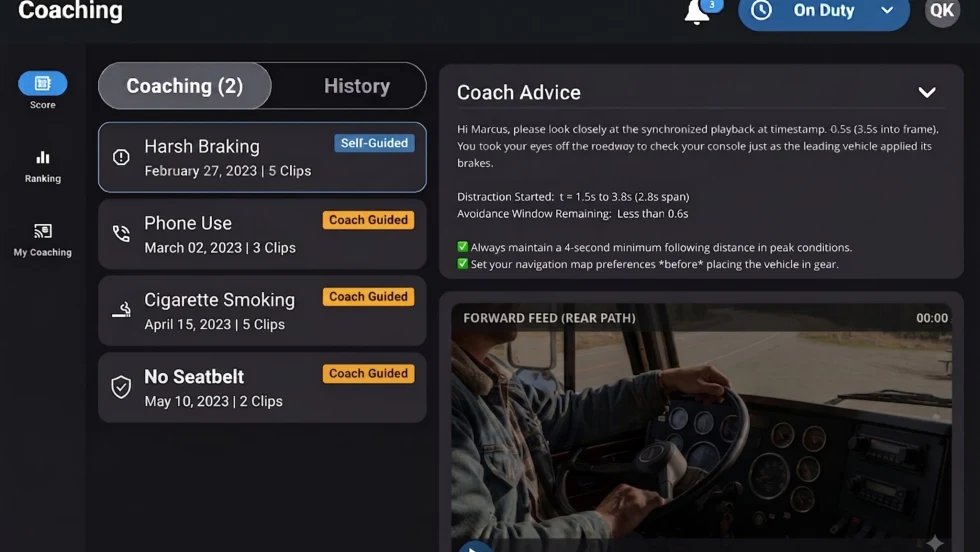
Platform Science Adds Dispatch and Safety Tools
Four additions to PS Fleet help fleets monitor loads, manage driver coaching, share truck locations and adjust video system settings.
Read More →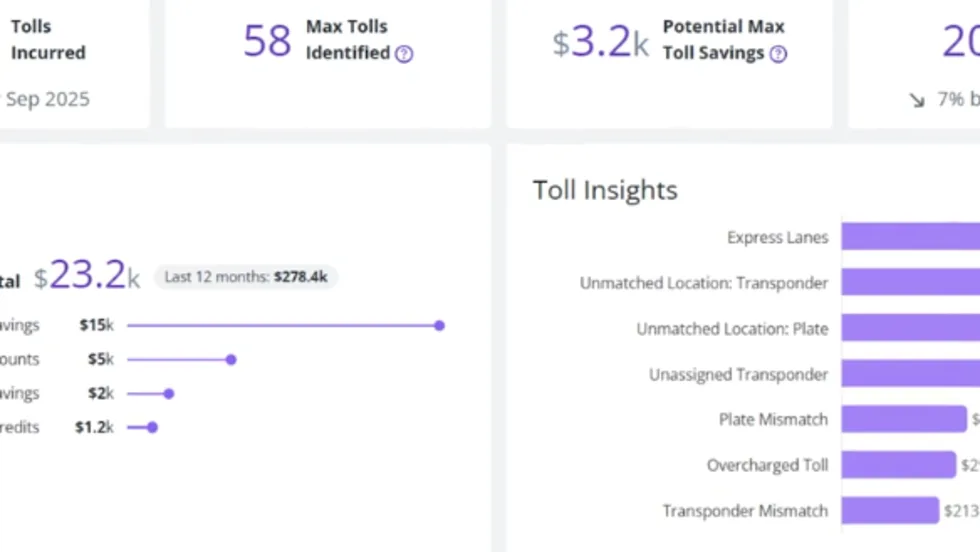
PrePass Intelligence Mines Fleet Bypass, Toll and Safety Data
PrePass Intelligence helps fleets measure bypass savings, flag potential toll overcharges, and spot suspicious transactions by combining data from separate systems.
Read More →
Motive Adds AI Agents for Fleet Operations
New tools automate follow-up on fleet data, from maintenance work orders to driver alerts, with two-way voice conversations planned for later this year.
Read More →
Can You Beat Our Trucking Trivia Challenge?
Test your truck knowledge with 19 trivia questions from Heavy Duty Trucking Exchange. Can you keep up with the fleet pros?
Read More →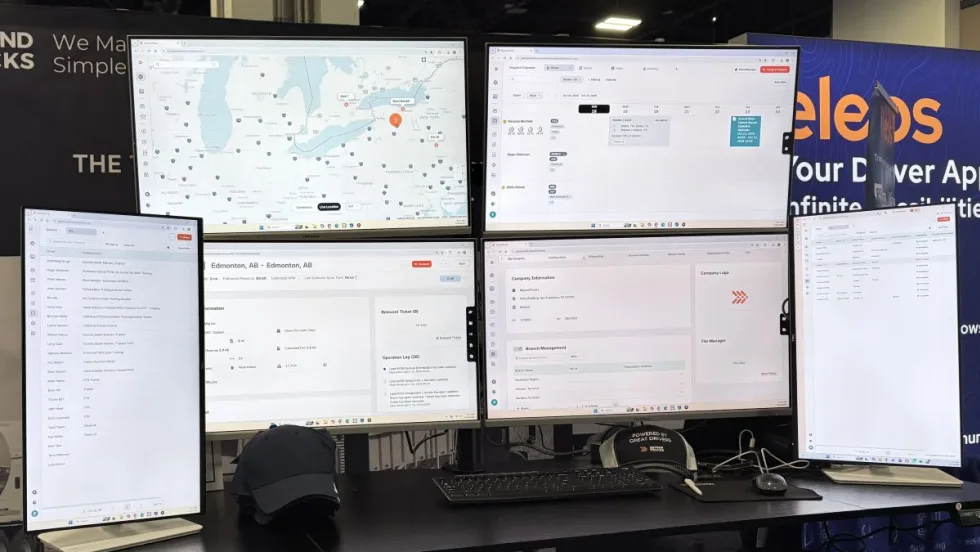
BeyondTrucks Adds Rules Checks to Dispatch
New Compatibility Engine checks driver qualifications, equipment requirements and fleet policies before loads are dispatched.
Read More →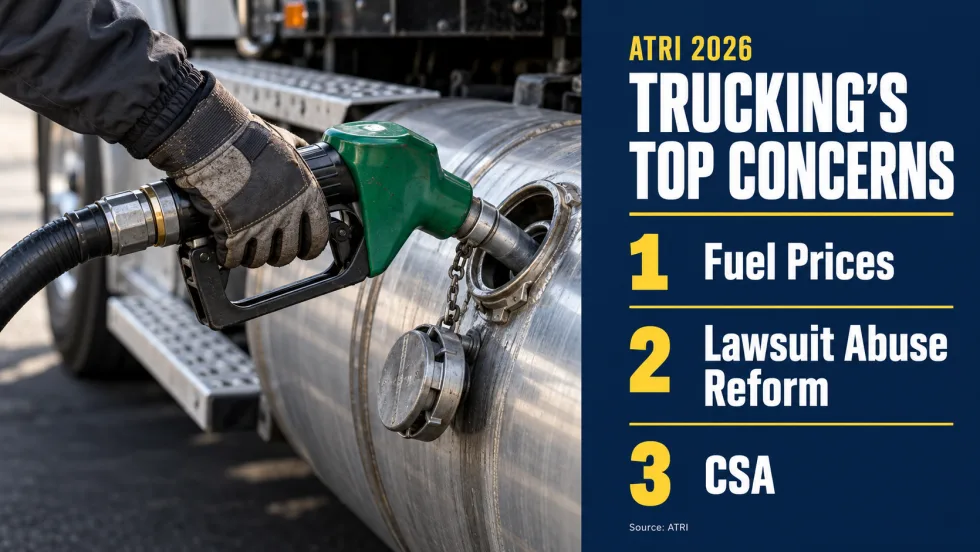
Diesel Prices Hijack Trucking’s Worry List
ATRI’s annual survey finds cautious optimism about freight, but diesel costs, litigation, and insurance continue to squeeze fleets. Drivers have different priorities on several issues.
Read More →
Nomination Deadline Extended for HDT Emerging Leaders
Just a few more days to nominate accomplished trucking fleet professionals under 40 who are making an impact and helping lead the industry forward for the HDT Emerging Leaders award. Deadline extended to October 20!
Read More →
What Will ATA’s New Leader Bring to Trucking's Table?
Incoming President and CEO Mark Colson’s record in Alabama offers clues about his priorities and approach following Chris Spear’s abrupt departure as the head of the American Trucking Associations.
Read More →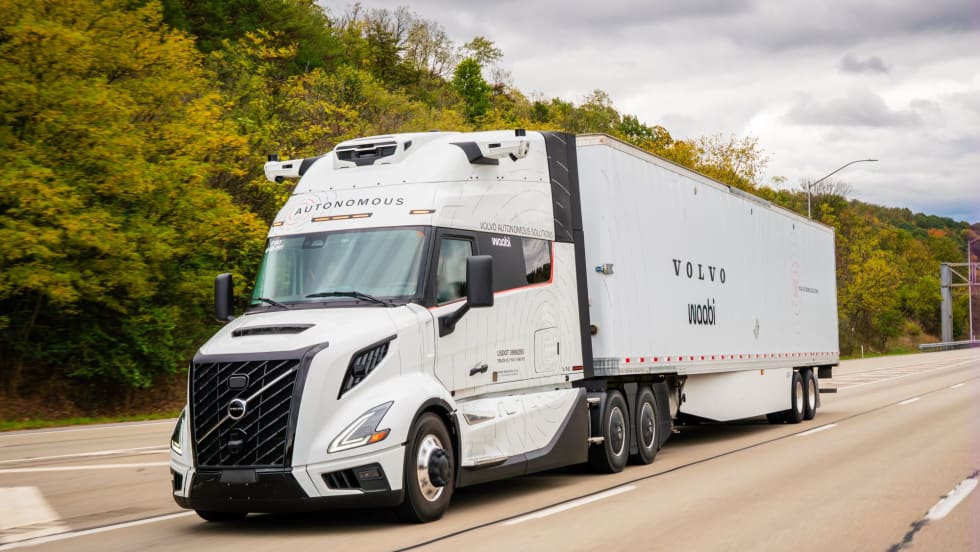
Volvo, Waabi Start Commercial Autonomous Operations in Texas
Volvo VNL Autonomous trucks, powered by the Waabi Driver, are hauling freight directly to third-party facilities for a customer in Texas.
Read More →