




Bush, Gore Debate Fuel Crisis
Truckers looking for answers to problems they directly face in their business were most likely disappointed when the top candidates for President of the United States barely touched on the issues during Tuesday evening’s debate in Boston -- but they did talk about how they would address the current fuel crisis
Truckers looking for answers to problems they directly face in their business were most likely disappointed when the top candidates for President of the United States barely touched on the issues during Tuesday evening’s debate in Boston -- but they did talk about how they would address the current fuel crisis.
At times moderator Jim Lehrer of PBS practically needed a bucket of cold water to keep Democratic nominee Al Gore and Republican nominee George W. Bush from breaking the agreed-to format. Each candidate tried to best the other with their proposals covering a myriad of issues, including Social Security, abortion, health care, foreign relations – and oil supplies and fuel prices.
Just 20 minutes into debate, Lehrer asked Gore “how he would contrast his approach to preventing future oil price and supply problems like we have now, to the approach of Governor Bush.”
Gore responded that it’s a matter of “short term and long term components.” He said over the long term his energy policy will focus on increasing supply, lessening consumption and offering incentives for alternative and renewable sources of energy. Gore also proposed offering tax credits and incentives for the rapid development of less polluting vehicles and other equipment, which he said help create new jobs.
In the short term Gore said the United States has to “free ourselves from the domination of the big oil companies,” which he accused of being able to manipulate prices, as well as from the OPEC oil cartel.
Gore was also highly critical of Bush for his plans that call for opening Arctic National Wildlife Refuge, saying it will offer only a few months oil supply and would destroy the environment. In contrast, the Republican challenger and admitted former “small oil person in Texas” said he wants to encourage more oil exploration at home to lessen the United States’ dependence on foreign oil, including drilling in Alaska. He blamed Gore and President Clinton for not having an energy plan for the last eight years, saying the “results have finally caught up with America.”
Gore took a slight jab at Republicans following Bush’s remark, saying most of the energy related plans he has supported have been defeated by Congress, while at the same time almost seeming to concede that the White House needs to “get serious about this energy crisis.”
In his rebuttal, Bush proposed a “hemispheric energy policy” where the United States, Canada and Mexico would come together to solve energy problems, including working with Mexico to transport their natural gas supplies into the U.S. to lessen the United States’ dependence on foreign oil.
The next presidential debate is set for Oct. 11 at the Wake Forest University Campus in Winston-Salem, N.C., and the final debate will take place Oct. 17 at Washington University in St. Louis, Mo. There will be one debate between the candidates for vice president. It’s set for Thursday at Centre College in Danville, Ky. Coverage of the debates is being provided by the three major TV networks as well as CNN, MSNBC and on the radio through National Public Radio. All are scheduled for 90 minutes and are set to begin around 9:00 p.m., Eastern time. You can read complete transcripts of the debates by going to the web page of The Commission On Presidential Debates at www.debates.org/index.html.
More Drivers
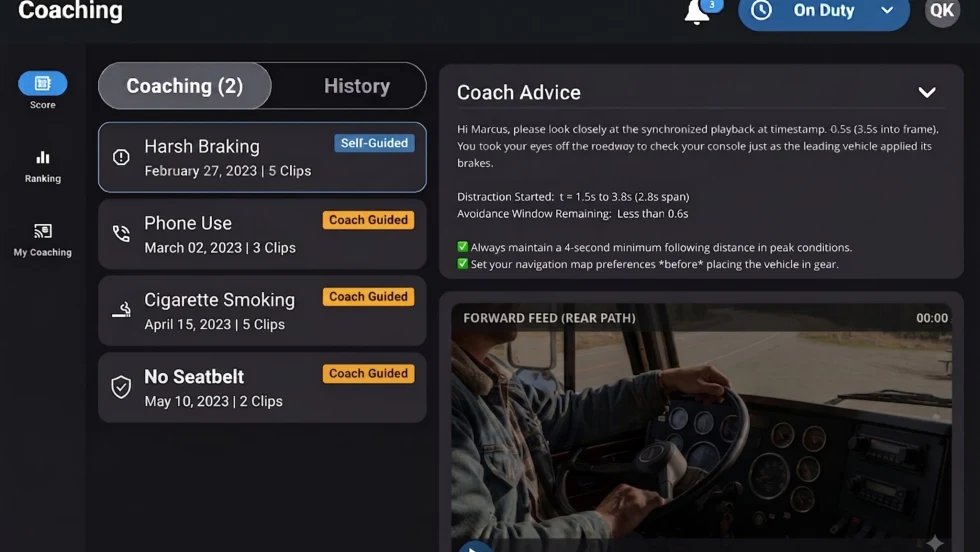
Platform Science Adds Dispatch and Safety Tools
Four additions to PS Fleet help fleets monitor loads, manage driver coaching, share truck locations and adjust video system settings.
Read More →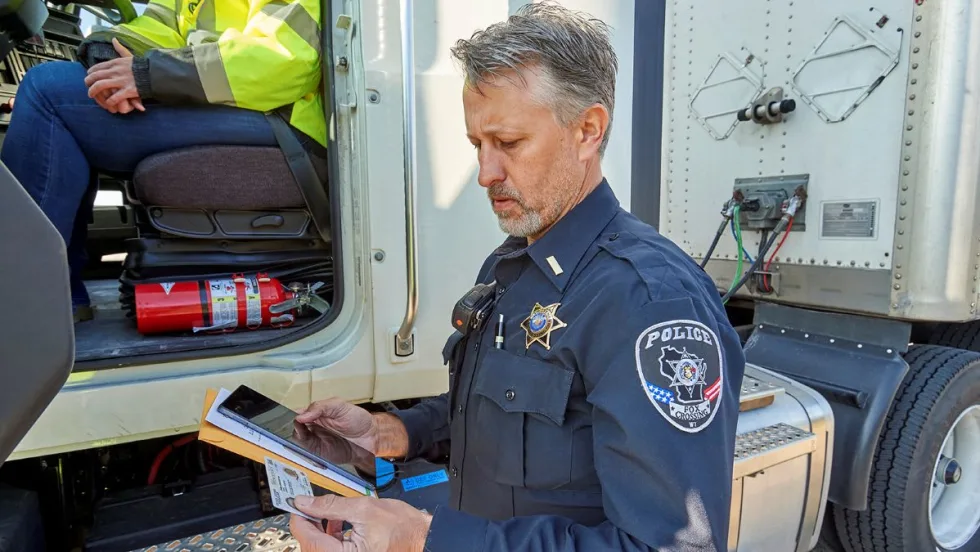
When Language Stops the Truck: The Return of ELP Out-of-Service Orders
English language proficiency rules for commercial drivers aren’t new, but renewed out-of-service enforcement has raised the stakes. Here’s what carriers need to know before a driver reaches a roadside inspection.
Read More →
Samsara Launches Custom AI Agent Builder
Agent Studio lets fleets create AI tools for hours-of-service monitoring, reporting and driver support, including agents that communicate by phone.
Read More →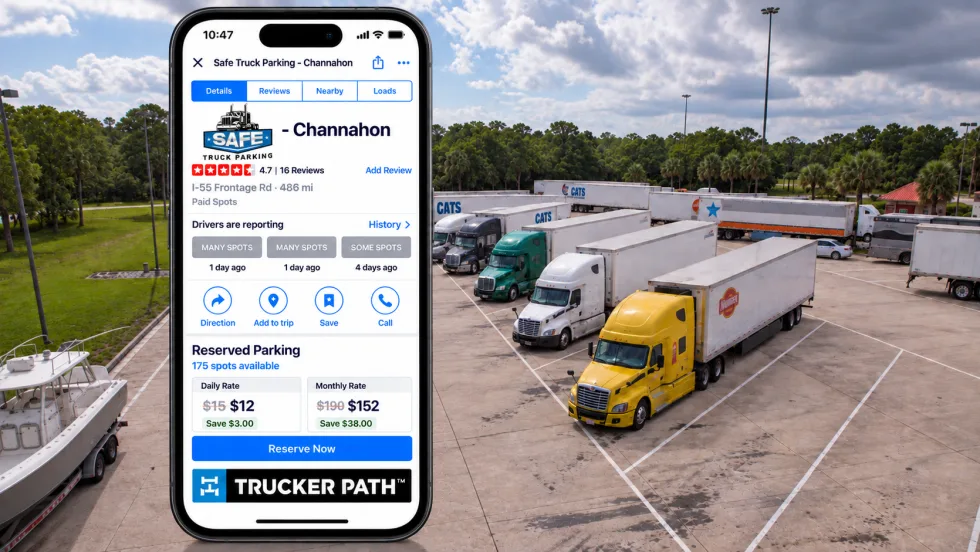
Trucker Path Expands Reserved Parking Network
Trucker Path has added close to 6,000 more truck parking spaces to its Trucker Path Reserved Parking Network with the addition of Safe Truck Parking.
Read More →
EEOC Sues Texas Trucking Company Over Driver Age Limits
The agency says Trancasa USA rejected applicants over 65 and applied tougher driving-record standards to those over 60.
Read More →
Nussbaum, Roehl Announce Second Driver Pay Increase This Year
This year has seen a swath of major truck driver pay increases as freight capacity has tightened.
Read More →
From One Generation to the Next: How Mentorship Builds Safer Truck Drivers
After three decades in trucking, Harold Perry shares what he's learned about driver safety, mentorship, and helping the next generation build confidence behind the wheel.
Read More →
Truck Drivers Need More Than Another Alert
Fleets have more visibility into truck health, safety events, and driver activity than ever. The next challenge is turning all that information into useful guidance for the person who has to decide what to do next.
Read More →
FMCSA Removes 110 Truck Driver Training Schools from Certified ELDT List
Federal regulators also are targeting more than 160 additional training providers and launching a nationwide audit of third-party CDL skills testers as part of a broader crackdown on trucking fraud.
Read More →
Hours of Service Pilot Programs: FMCSA Readies for 2027 Rollout
Two pilot programs could eventually reshape hours-of-service rules, giving truck drivers options to pause their 14-hour clock or use longer split sleeper rest periods.
Read More →