




Mexican trucking companies are operating illegally outside the limits set by the North American Free Trade Agreement, said Kenneth Mead, inspector general of the U.S. Department of Transportation.
Trucks operated by 68 Mexican companies were working in at least 24 states outside of the border states in 1998, Mead said in response to a query by Sen. Richard Shelby, R-AL. The trucks ranged as far west as Washington, north to the Dakotas, east to New York and Florida.
Mead's letter to Shelby ignited a political storm. Led by Rep. James Oberstar, D-MN, and supported by Teamsters General President James Hoffa, more than 250 congressmen wrote President Clinton demanding that the U.S. remain closed to interstate Mexican trucking until safety enforcement improves.
Under the North American Free Trade Agreement, the border is scheduled to open to Mexican trucks in January 2000. The border states were to have opened in 1995, but the Clinton administration has kept them closed, except for commercial zones, due to concerns about safety and labor competition.
Mead found the Mexican presence by analyzing DOT's roadside inspection data. Mexican carriers that operate legally in border commercial zones have U.S. DOT identification numbers -- numbers that showed up in inspection reports from the 24 states.
Mexican trucks also operated illegally within the border states of California, Arizona, New Mexico and Texas, Mead found. They are supposed to stay inside the commercial zones in those states -- areas ranging from 5 to 20 miles next to the border -- but they were found throughout the states.
Rep. Oberstar has put Mead to work, digging for more details. He asked the DOT watchdog to investigate the 68 companies, analyze their actual safety performance and determine what DOT intends to do about the Mexican incursions.
These are the states where the Mexican trucks were found: Washington, Oregon, Nevada, Montana, Wyoming, Colorado, North Dakota, South Dakota, Kansas, Oklahoma, Iowa, Mississippi, Arkansas, Louisiana, Illinois, Missouri, Indiana, Kentucky, Ohio, Florida, New York, Pennsylvania, Maryland and New Jersey.
Border War Heats Up as DOT Finds Illegal Mexican Trucks in U.S.
Mexican trucking companies are operating illegally outside the limits set by the North American Free Trade Agreement, said Kenneth Mead, inspector general of the U.S. Department of Transportation
More Equipment
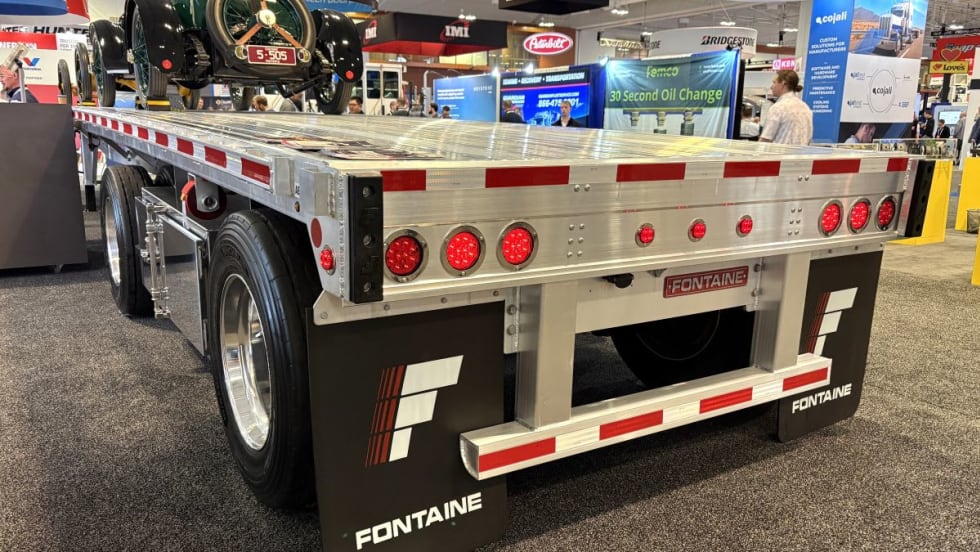
Fontaine Expands Flatbed Lineup with New Fleet-Focused Models, Eyes 2027 Launch
Fontaine is broadening its flatbed lineup with new models aimed at fleets, including a lightweight aluminum trailer expected in 2027 that emphasizes durability, repairability, and lower cost.
Read More →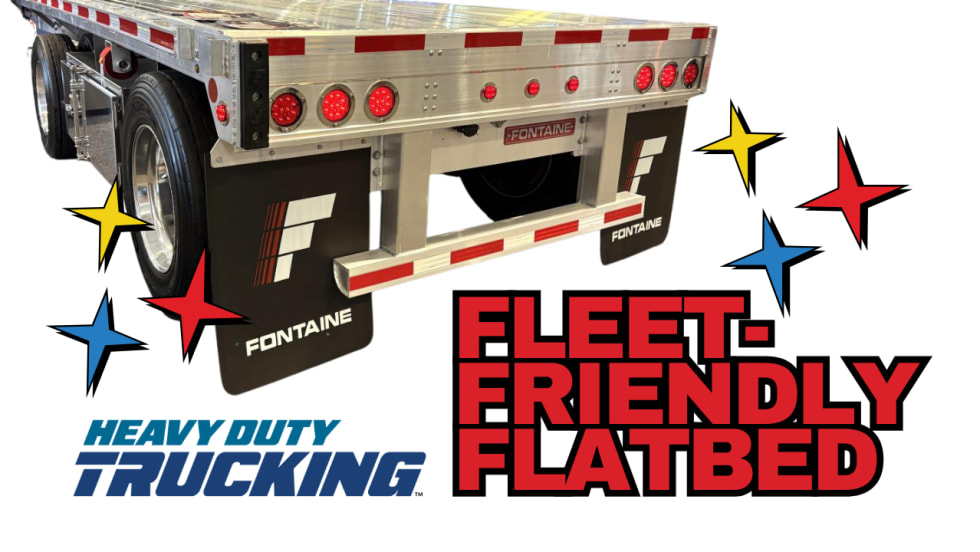
Fontaine's Fleet-Focused Force Flatbed Prototype [Watch]
A new prototype from Fontaine Trailer focuses on what fleets say they need most: easier repairs, lower maintenance costs, and practical, service-friendly design.
Read More →
From Long Haul to Short Loops: The New Math Behind Day Cabs
As warehouse networks expand, predictable regional routes are replacing long-haul runs—reshaping how fleets spec, operate, and resell day cabs.
Read More →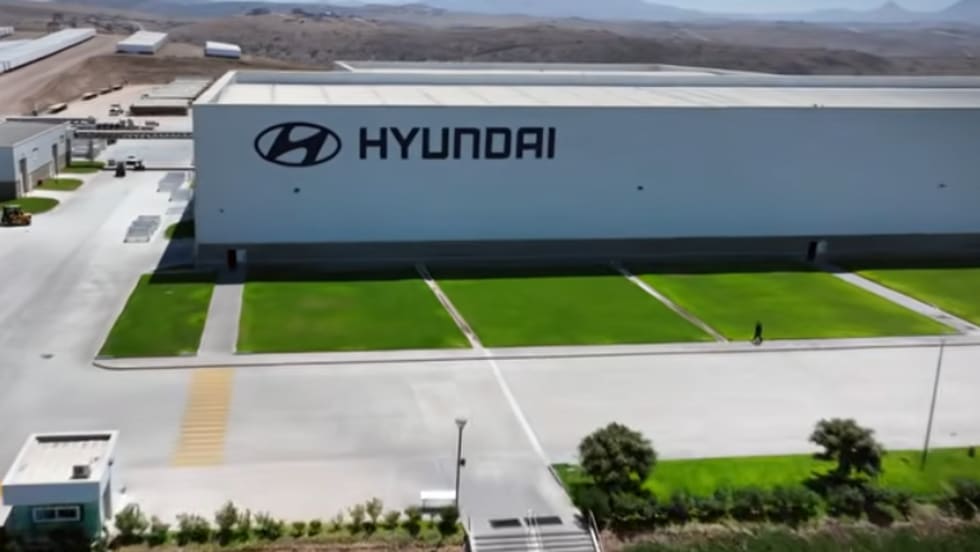
Hyundai Translead Bringing Trailer Production to U.S.
The new Hyundai Translead production sites will improve trailer and body delivery to customers by reducing lead times and leveraging a growing dealer network.
Read More →
HDT Honors the Best New Products of 2025 at TMC [Photos]
Heavy Duty Trucking's Top 20 Products awards recognize the best new products and technologies. Check out the award presentations at the 2026 Technology & Maintenance Council annual meeting.
Read More →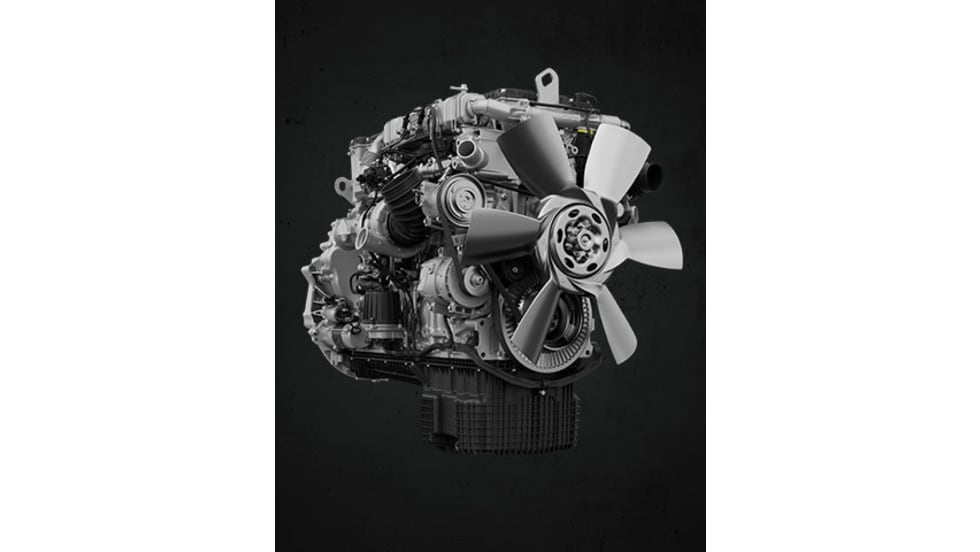
Detroit Engines: Trusted Performance, Built for What's Next
The Detroit® Gen 6 engine platform proves that real progress doesn’t require a complete redesign. Built on 20 years of trusted technology, these engines are designed for efficiency, stronger performance, and greater reliability than before. And they do it all while complying with 2027 EPA standards on every mile.
Read More →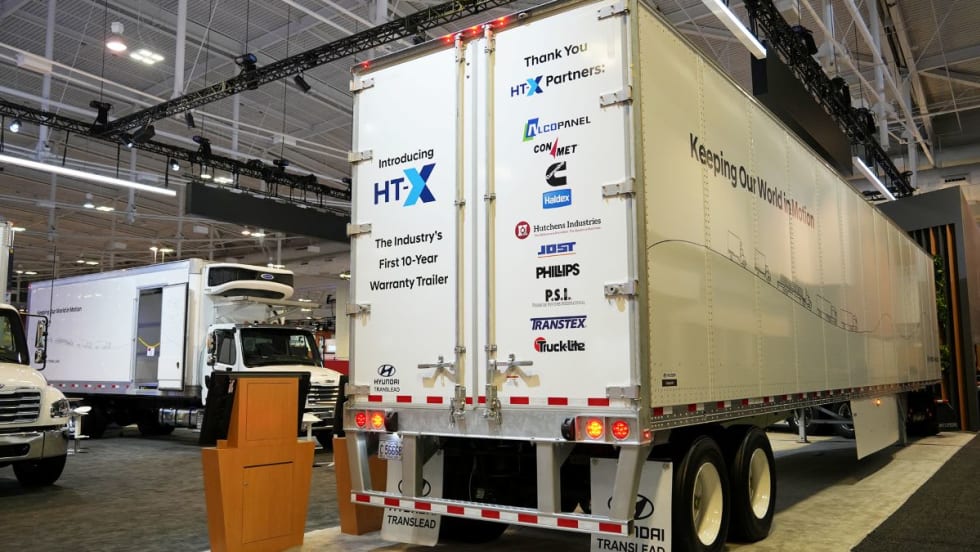
Hyundai Translead Expands Trailer Tech, Introduces Long-Life Dry Van, New Refrigerated Body
Smart safety systems, AI-powered visibility, a 10-year-warranty dry van, and a modular refrigerated body debuted at TMC.
Read More →
EPA Targets DEF Sensor Failures Behind Truck Derates
New guidance allows engine makers to replace problematic DEF sensors with NOx-based systems, aiming to reduce unnecessary derates and downtime caused by failures in the sensors designed to monitor diesel exhaust fluid on trucks.
Read More →
Heavy Duty Trucking is Searching for the Top Green Fleets of 2026
Is your company a leader in sustainability efforts among trucking fleets? If so, Heavy Duty Trucking's editors want to hear from you.
Read More →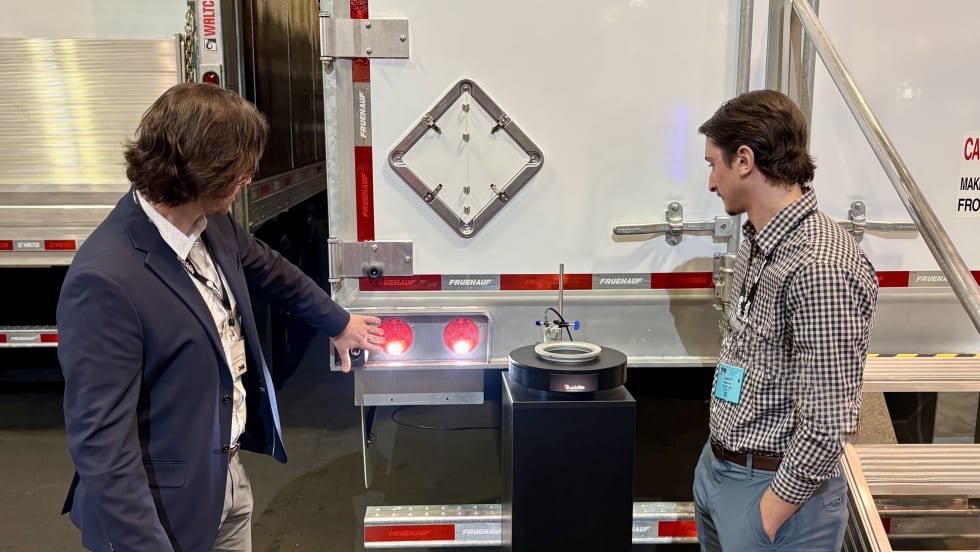
Clarience Technologies Expands Safety and Visibility Portfolio at TMC
From advanced connectivity to AI-powered cameras and next-gen fuel filtration, Clarience companies outlined a roadmap for safer, more connected trailers at TMC’s Annual Meeting.
Read More →