




With Mexican President Vicente Fox pressing for dramatic changes in U.S. immigration policies, Congress and the Bush administration resume their long-running struggle over cross-border trucking.
Fox’s call last week for accelerating a decision on the status of illegal Mexican immigrants broadened the political context of the border dispute. The decision on how to regulate long-distance Mexican trucks crossing the U.S. border is being made in light of a complex web of issues, including free trade, presidential politics and highway safety, as well as immigration.
After a month of recess, it still is not not clear what Congress intends to do. The conflict turns on two bills, one in the House that would prevent the border from opening at all, and one in the Senate that requires the U.S. to establish a strict new border safety regime. The Bush administration opposes both approaches, offering instead a plan that would boost the U.S. border presence to vet Mexican applicants for safety.
The main purpose of the House and Senate bills is to appropriate funds for the Department of Transportation – so there is pressure to get the work done in time for the new fiscal year, which starts Oct. 1. Congress has missed that deadline with past appropriations bills, however, and the fight could drag on longer.
President Fox also applied pressure, telling editors of The Washington Post that he expects the U.S. to honor the commitment it made in the North American Free Trade Agreement to open the border.
He said the U.S. and Mexico must agree on the regulations that apply to cross-border trucking – “because it’s a partnership deal.” If Mexican trucks are not allowed into the U.S., then U.S. trucks will not be allowed into Mexico, he said.
Fox said the conflict is not caused by economics or anti-Mexican sentiment, but by a lack of preparation. Both countries have known for years that the border is supposed to open, yet “nobody bothered to work on all the details. That’s what is being built up right now.”
Meanwhile, the Federal Motor Carrier Safety Administration is putting regulatory pieces in place. The agency cannot spend money it does not have, said Assistant Administrator Julie Anna Cirillo, but it is looking at candidates for border inspector positions it expects to fill.
She said that the agency can be ready to ensure safety by January 1, 2002, when the border is now scheduled to open – provided it does not have to finish constructing new border facilities.
“We have senior people in the agency who are bilingual and certified (as inspectors),” she said. “They can go to the (Mexican) companies, do the inspections, certify them and put on the Commercial Vehicle Safety Alliance stickers.”
She said the agency would not be able to review all Mexican applicants by January, but it could get to some. She anticipates that most of the applicants will be companies from south of the California border, which already have to comply with CVSA standards.
Border Battle Resumes
With Mexican President Vicente Fox pressing for dramatic changes in U.S. immigration policies, Congress and the Bush administration resume their long-running struggle over cross-border trucking
More Equipment
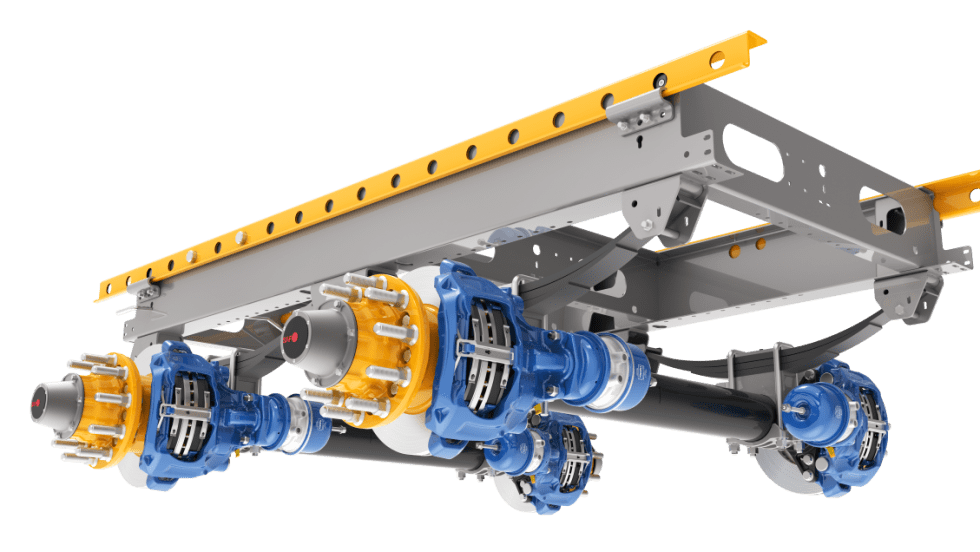
SAF-Holland Redesigns Suspension Slider to Save Weight in On-Highway Trailers
SAF-Holland reengineered the UltraLite40 Slider for the ULX40 Mechanical Sliding Suspension and Axle System to reduce weight, improve durability, extend trailer life, and increase payload efficiency.
Read More →
Volvo Teases Next-Gen VNX as Platform Expansion Continues at TMC
Volvo Trucks North America highlighted new connectivity, safety tech and production investments at TMC. The OEM also signaled that a new heavy-haul flagship tractor is coming soon.
Read More →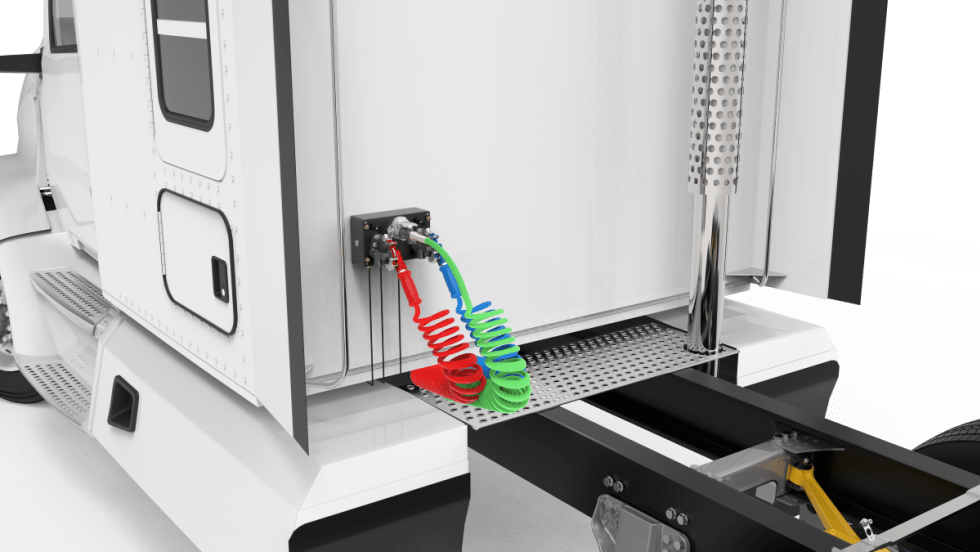
SAF-Holland Introduces SmartSto System for Safer Tractor-Trailer Uncoupling
The system combines a fifth-wheel air release with stowage for air and electrical connections, helping prevent damage and reducing driver injury risk.
Read More →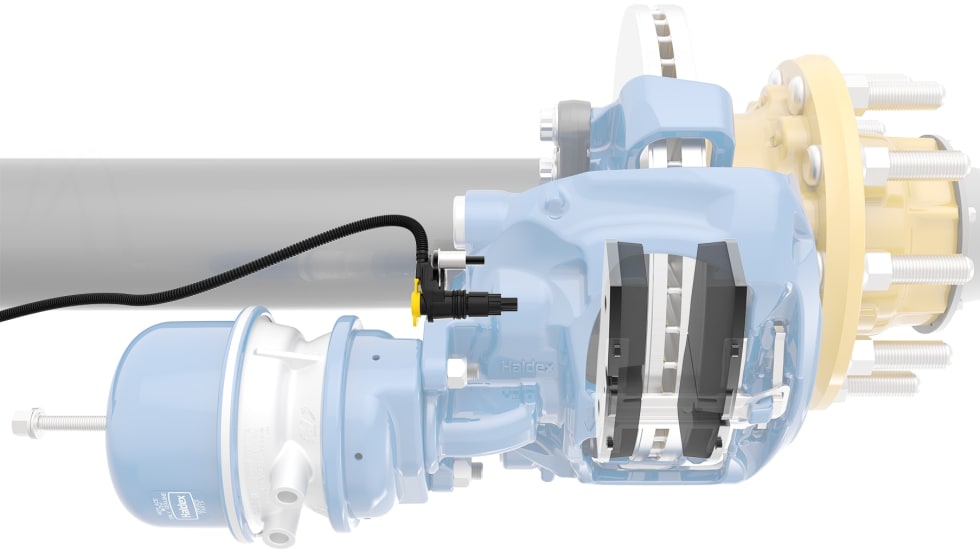
SAF-Holland’s BrakeSight Aims to Take the Guesswork Out of Air Disc Brake Maintenance
New Haldex sensor technology from SAF-Holland integrates with telematics systems to give fleets continuous insight into air disc brake condition.
Read More →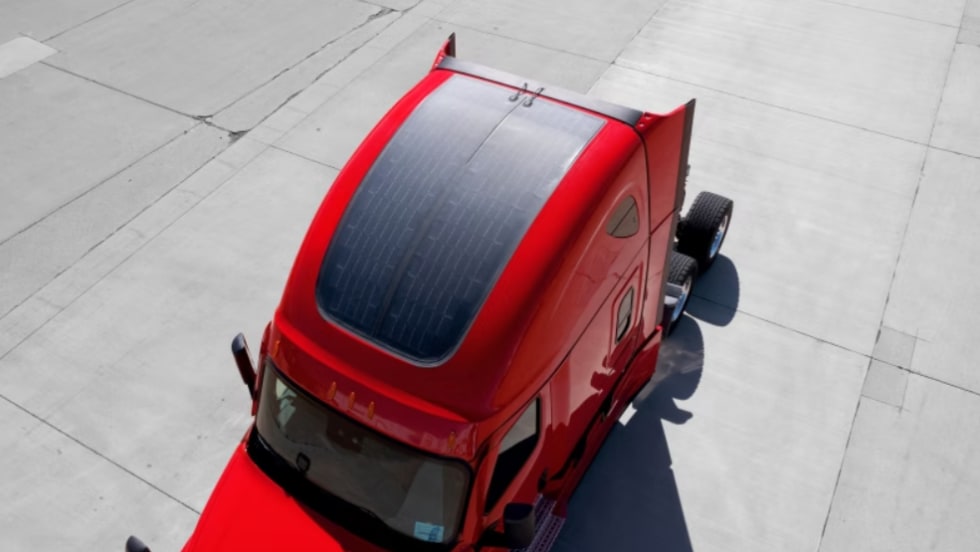
Vanair Introduces Solar, Battery Power Ecosystem for Class 8 Trucks
The company’s expanded EPEQ ecosystem includes flexible solar panels, lithium batteries, hydraulic power systems, and a portable fast charger for electric trucks.
Read More →
Phillips Connect Expands Smart Trailer Platform with New Safety, Cargo and Equipment Intelligence
Phillips Connect Smart Trailer enhancements give fleets deeper operational insights from trailers -- even when another provider supplies basic GPS tracking.
Read More →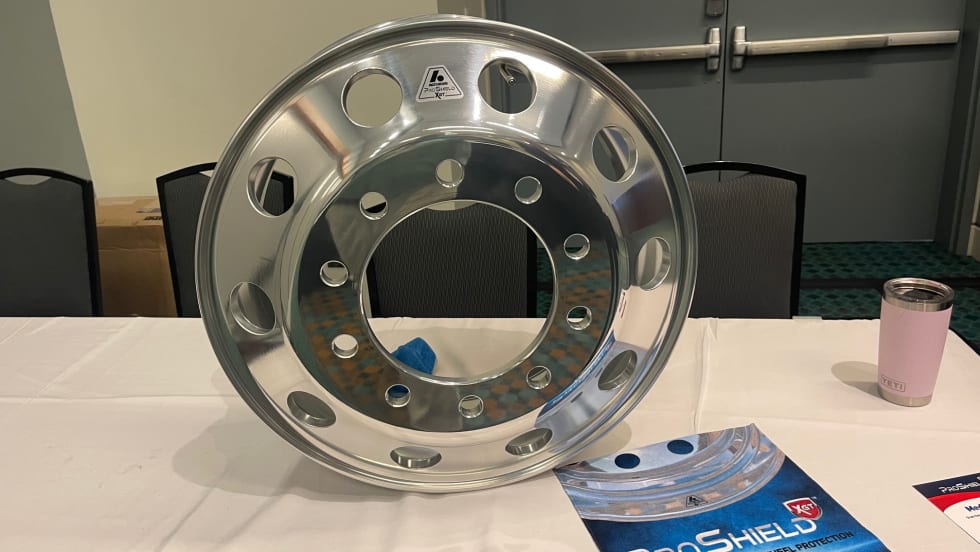
Accuride Unveils ProShield XGT Aluminum Wheel Coating at TMC
Accuride’s patent-pending surface-coating technology targets filiform corrosion and promises easier cleaning, longer-lasting gloss, and greater durability for aluminum truck wheels.
Read More →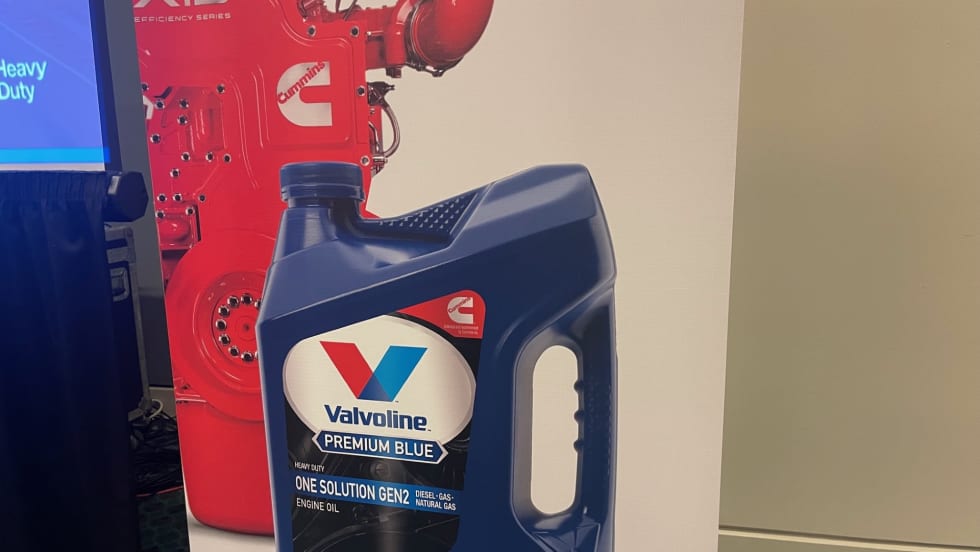
Valvoline, Cummins Extend X15 Oil Drain Intervals to 100,000 Miles
New approval for Valvoline Premium Blue One Solution Gen2 allows fleets running Cummins X15 engines to extend oil drain intervals by up to 25,000 miles -- reaching intervals as high as 100,000 miles.
Read More →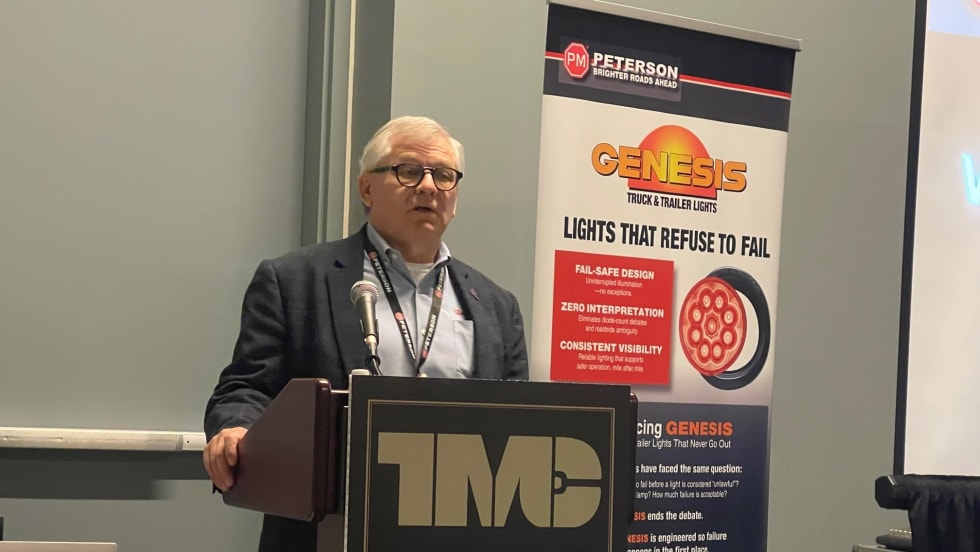
A New Approach to Lighting Reliability
Peterson’s Genesis lighting system and repairable J560 connector target two persistent fleet problems: LED light failures and costly electrical connector downtime.
Read More →
The Hidden Cost of Delaying Truck Replacement
Many fleets extended truck replacement cycles during recent market disruptions. But holding equipment too long can lead to higher repair costs, longer downtime, and new operational risks.
Read More →