




Bills Would Adjust Truck Weight Limit for Natural Gas
The House and Senate have bills that would raise federal truck weight limits to accommodate the heavier fuel systems of natural gas vehicles.
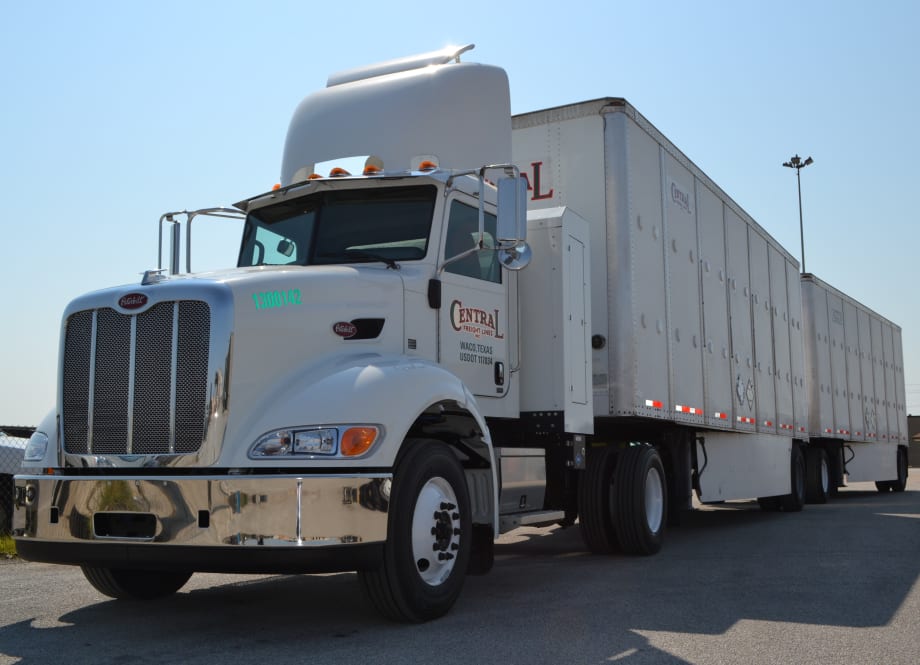
Increased weight is a disincentive for many fleets to buy natural gas powered trucks. Photo courtesy Central Freight Lines.

The House and Senate have bills that would raise federal truck weight limits to accommodate the heavier fuel systems of natural gas vehicles.
Natural gas trucks can weigh as much as 2,000 pounds more than equivalent diesel trucks, due to their heavier fuel tanks and other equipment. This puts these trucks at a competitive disadvantage, say legislators who have proposed bills to ease the weight restrictions.
Sens. James Inhofe, R-Okla., and Joe Donnelly, D-Ind., recently introduced the Natural Gas Long Haul Truck Competitiveness Act, complementing a similar measure introduced in the House in January by Rep. Sam Graves, R-Mo.
The bills would let the Department of Transportation permit natural gas trucks to exceed the 80,000-pound Interstate limit by the weight of their tank and fueling system.
“Natural gas is a clean and affordable domestic energy resource that has the potential to drive American energy independence to reality,” Inhofe said in a statement.
“This legislation brings the federal regulation for long-haul trucks into the 21st century by giving natural gas powered trucks the ability to compete on the same playing field in the amount of freight it can transport.”
Trucking and natural gas interests applauded the move.
“Natural gas holds great promise for our industry and our economy,” said American Trucking Associations President and CEO Bill Graves in a statement.
“While there are still many details and specifications to address on this complex issue, we look forward to working with [Sens. Inhofe and Donnelly] on this important energy and transportation matter,” he said.
Rich Kolodziej, president of NGVAmerica, said the extra weight of the gear causes a 2-to-3% revenue loss due to reduced payload.
“Legislation such as this will help accelerate the growth of the NGV market and provide our country with the environmental benefits and greater energy independence that comes with using clean domestic natural gas as a vehicle fuel,” he said.
Dave Crompton, president of Cummins Engine Business, said the legislation would eliminate a disincentive for use of natural gas in heavy-duty trucks.
“We continue to look for different ways to help our customers be as successful as possible, and natural gas provides an additional cost-effective alternative for some of them,” he said in a statement.
More Fuel Smarts
Cummins Adjusts 2027 Engine Rollout After EPA Proposal
The engine maker will gradually introduce its new Model Year 2027 diesel engines while continuing to offer current models during the transition, citing the EPA's proposed emissions rule changes.
Read More →
EPA Proposal Could Ease 2027 Truck Costs and Buying Uncertainty
The proposal doesn't change the tougher NOx standard, but it would revise key implementation requirements that manufacturers say have driven up costs and complicated fleet purchasing decisions.
Read More →
Cummins, Paccar Ease DEF Derates After EPA Guidance
Updated diesel engine software gives truck operators more time to address emissions-system issues while staying compliant with EPA emissions standards.
Read More →
Maintenance in the Messy Middle Part 3: Biodiesel
Biodiesel can reduce emissions, improve fuel-system lubricity and use existing diesel infrastructure. But NACFE’s Messy Middle maintenance report says fleets must actively manage storage, cold-weather operation, filters and oil drain intervals to avoid problems.
Read More →
Enhance Fleet Performance with High-Efficiency Auxiliary Power Units
Drive sustainable cost savings while increasing driver comfort during short- and long-haul logistics operations.
Read More →
Maintenance in the ‘Messy Middle’ Part 2: Renewable Diesel Fuel
NACFE's latest Messy Middle Powertrain Service & Maintenance report says renewable diesel gives fleets an opportunity to reduce carbon emissions without changing trucks, fueling infrastructure or maintenance practices. But technicians still need to understand several important operational differences.
Read More →
The Diesel Engine Enters NACFE’s ‘Messy Middle’
NACFE’s new Messy Middle Powertrain Service & Maintenance report says keeping modern diesel engines running now depends as much on software, diagnostics and data as traditional mechanical service.
Read More →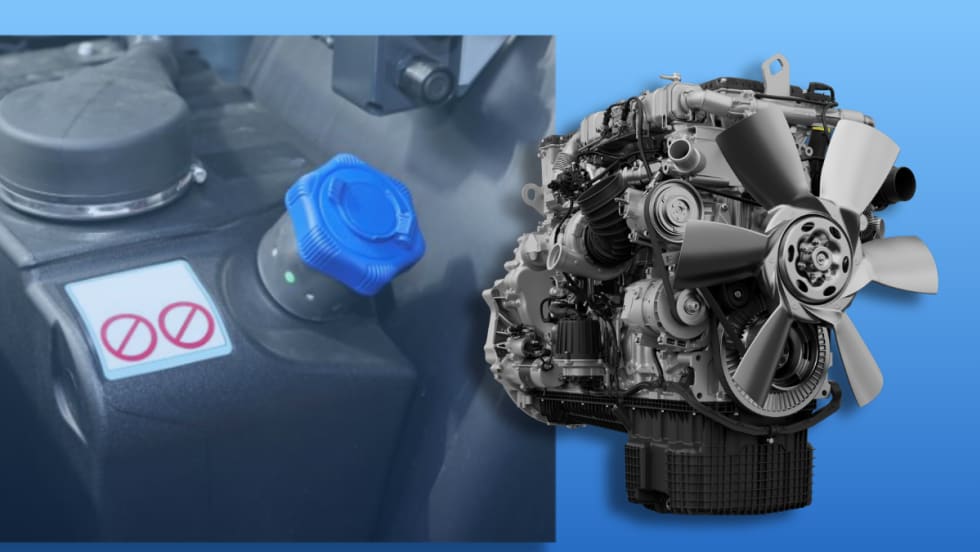
DTNA Software Update Gives Truckers More Time Before DEF Derates Take Effect
The changes reflect EPA guidance aimed at reducing downtime caused by emissions-system faults while maintaining compliance requirements.
Read More →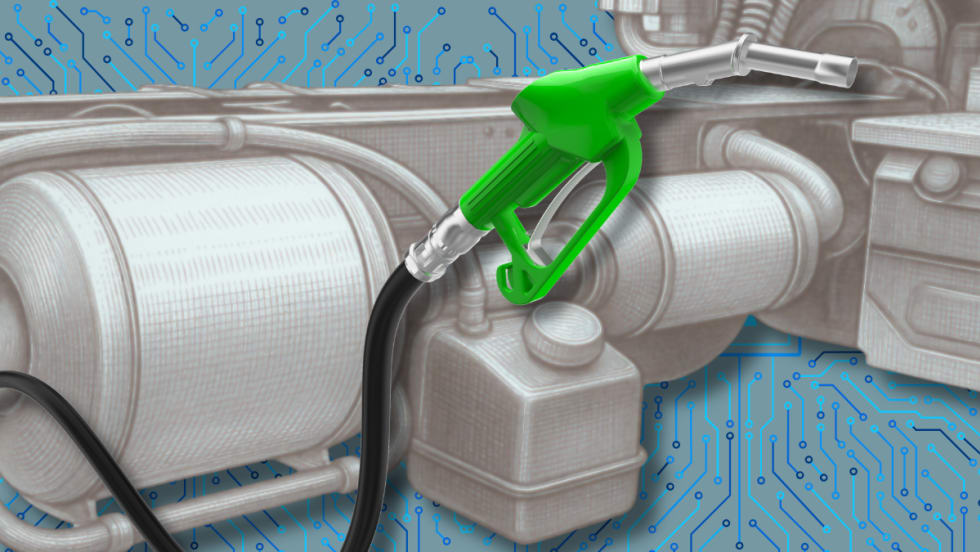
New Agentic Predictive Maintenance Report Demonstrates How Degraded Aftertreatment Systems Waste Fuel
Questar analyzed a large mixed-class fleet and discovered it was wasting as much as $30 in fuel per vehicle, per day, because of mechanically degraded aftertreatment systems.
Read More →
New York City's Microhub Project is Delivering Results
Trucking, last-mile delivery companies, and environmental advocates like what they are seeing so far with New York's microhub program.
Read More →