




Bill Would Expand Truck Size and Weight Restrictions
Two days after a bill was introduced in the House that would allow states to set higher weight limits for trucks on Interstates within their borders, a competing bill was announced to keep bigger, heavier trucks off the roads
Two days after a bill was introduced in the House that would allow states to set higher weight limits for trucks on Interstates within their borders, a competing bill was announced to keep bigger, heavier trucks off the roads.
U.S. Sen. Frank R. Lautenberg (D-NJ) and U.S. Rep. Jim McGovern (D-MA-3) Wednesday announced the Safe Highways and Infrastructure Preservation Act of 2009, which would extend the current weight limit and freeze on triple-trailers to the entire 160,000-mile National Highway System, while still allowing certain exemptions, including for firefighting equipment. The NHS includes both interstate highways and smaller national highways. Most truck size and weight restrictions (53-foot length maximum and 80,000-pound weight maximum) already apply to the 44,000-mile Interstate Highway System.
"The tragic bridge collapse in Minneapolis demonstrated the serious safety concerns surrounding already-deficient bridges and roads," said Sen. Lautenberg. "Adding heavier trucks to our roads is simply a recipe for disaster. Our bill would protect our infrastructure and improve safety by helping keep dangerously large and heavy tractor-trailer trucks off our roads."
The Owner-Operators Independent Drivers Association and the Teamsters Union expressed their support for the bill.
"Truckers know from firsthand experience that stability, mobility and maneuverability are substantially reduced on bigger and heavier trucks," said Todd Spencer, executive vice president of OOIDA. "The larger and heavier the vehicle, the more problems it has interacting with other vehicles on the highway. Increases in sizes and weights of commercial motor vehicles will also hasten the deterioration of our nation's roads and bridges."
"Larger, heavier trucks require more stopping distance and have larger blind spots which are factors that we feel could contribute to increased crash risk," added LaMont Byrd, Director of the Teamsters Safety & Health Department of the International Brotherhood of Teamsters. "In addition, according to a study conducted by the National Surface Transportation and Revenue Study Commission, larger trucks are a major source of damage to highways and bridges. We think that this bill is the right approach to not only improving the safety of our driver membership and the motoring public with which they share the road, but also protecting the highway infrastructure here in the U.S.,"
More Drivers

Nussbaum, Roehl Announce Second Driver Pay Increase This Year
This year has seen a swath of major truck driver pay increases as freight capacity has tightened.
Read More →
From One Generation to the Next: How Mentorship Builds Safer Truck Drivers
After three decades in trucking, Harold Perry shares what he's learned about driver safety, mentorship, and helping the next generation build confidence behind the wheel.
Read More →
Truck Drivers Need More Than Another Alert
Fleets have more visibility into truck health, safety events, and driver activity than ever. The next challenge is turning all that information into useful guidance for the person who has to decide what to do next.
Read More →
FMCSA Removes 110 Truck Driver Training Schools from Certified ELDT List
Federal regulators also are targeting more than 160 additional training providers and launching a nationwide audit of third-party CDL skills testers as part of a broader crackdown on trucking fraud.
Read More →
Hours of Service Pilot Programs: FMCSA Readies for 2027 Rollout
Two pilot programs could eventually reshape hours-of-service rules, giving truck drivers options to pause their 14-hour clock or use longer split sleeper rest periods.
Read More →
Medical Cards, English Proficiency Reshape Roadcheck Violations
Medical-card violations jumped to the top of the driver out-of-service list during CVSA’s 2026 International Roadcheck, while English-language proficiency violations appeared among the leading violations for the first time.
Read More →
Driver Trust Can Make or Break the Success of Fleet Safety Technology
New Teletrac Navman research suggests that onboarding, transparency about driver data, and positive feedback can play a significant role in how commercial drivers respond to safety and coaching technology.
Read More →
EEOC Sues KLLM Over Alleged Sex Discrimination in Driver Training
KLLM is facing a federal sex-discrimination lawsuit over policies the EEOC alleges put female truck driver trainees at a disadvantage.
Read More →
FMCSA Moves to Codify English Language Requirements for Commercial Drivers
By changing regulations on English-language proficiency requirements for commercial drivers, rather than relying on a guidance memo, the FMCSA said future administrations won't be able to walk back the Trump administration's stricter enforcement with just a memo.
Read More →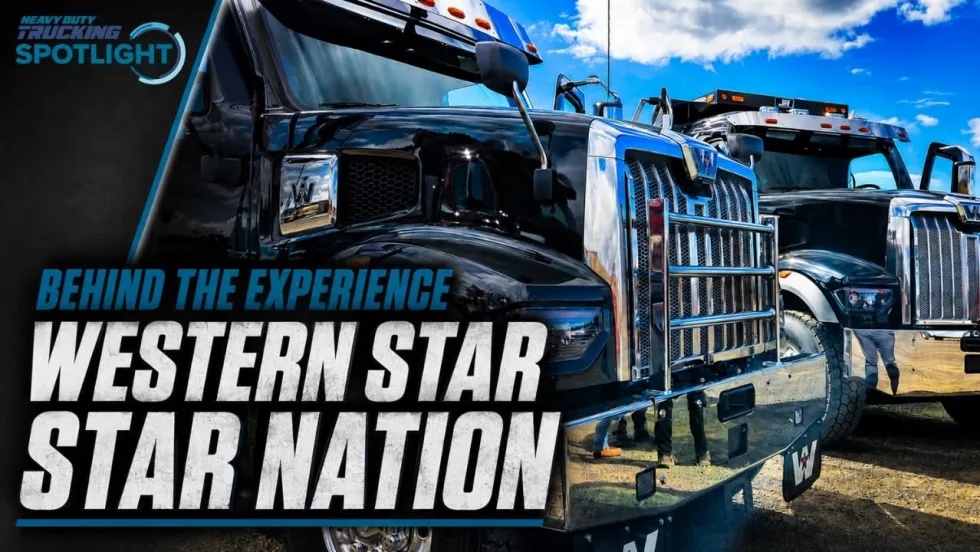
Drivers Put Western Star Trucks to the Test at Star Nation Experience
Watch to get an inside look at the Western Star trucks, technology, and community behind the Star Nation Experience 2026!
Read More →