




Bill Would Expand States’ Ability to Regulate Ports
Two New York legislators are pushing a bill that would allow states to regulate port trucking in ways similar to the Port of Los Angeles program that was rejected by the Supreme Court.

Two New York legislators are pushing a bill that would allow states to regulate port trucking in ways similar to the Port of Los Angeles program that was rejected by the Supreme Court.
The bill offered by Sen. Kirsten Gillibrand, D-N.Y., and Rep. Jerrold Nadler, D-N.Y., would let a state or a local authority set up a program “reasonably related” to cleaning up pollution or easing congestion.
They said their intent is to change the law so that ports can “enact simple measures, such as the requirement that motor carriers use off-street parking, or that a truck display a placard with a phone number for the public to call regarding truck safety.”
The Port of Los Angeles attempted these measures as part of its Clean Truck Program but was reversed when the U.S. Supreme Court upheld a challenge by American Trucking Associations.
“The Clean Ports Act will update federal law to ensure that ports can enact and enforce Clean Truck programs,” Gillibrand and Nadler said in a statement.
As they note in their statement, the Los Angeles program has been successful.
“In just one year, the program reportedly replaced nearly 6,000 dirty diesel trucks with clean diesel and alternative energy vehicles,” they said.
“This eliminated 30 tons of diesel particulate matter which will reduce diesel particulate pollution by an estimated 70% and is equivalent to removing 200,000 automobiles from the road.”
But they want states and local governments to have the legal authority to impose additional regulations.
The Port of Los Angeles attempted to impose placarding and parking requirements as part of a drayage concession plan that was generally supported by trucking interests.
ATA challenged this aspect of the plan on grounds that the Federal Aviation Administration Authorization Act exempts carriers from the off-street parking and placard provisions of the agreement.
The issue turned on whether or not the requirement is an act of regulatory authority, which the FAAA would forbid.
Siding with ATA, the Supreme Court said that the port was exercising regulatory it did not have.
The Clean Ports Act has been referred to the Senate Commerce Committee and the House Transportation and Infrastructure Committee.
More Drivers

Driver Trust Can Make or Break the Success of Fleet Safety Technology
New Teletrac Navman research suggests that onboarding, transparency about driver data, and positive feedback can play a significant role in how commercial drivers respond to safety and coaching technology.
Read More →
EEOC Sues KLLM Over Alleged Sex Discrimination in Driver Training
KLLM is facing a federal sex-discrimination lawsuit over policies the EEOC alleges put female truck driver trainees at a disadvantage.
Read More →
FMCSA Moves to Codify English Language Requirements for Commercial Drivers
By changing regulations on English-language proficiency requirements for commercial drivers, rather than relying on a guidance memo, the FMCSA said future administrations won't be able to walk back the Trump administration's stricter enforcement with just a memo.
Read More →
Drivers Put Western Star Trucks to the Test at Star Nation Experience
Watch to get an inside look at the Western Star trucks, technology, and community behind the Star Nation Experience 2026!
Read More →
Trump Administration Looks to Put More Veterans Behind the Wheel
The Freedom Haulers program pulls together existing and expanded programs at several federal agencies to recruit veterans to drive commercial heavy-duty trucks and cut the red tape for them to get a CDL, training, and employment.
Read More →
Putting Mack’s Command Steer to the Test
A test drive of Mack’s Command Steer active steering system evaluates how it can make truck driving easier and less tiring.
Read More →
Competition Heating Up for Truck Drivers
New report reveals rising driver hiring costs, the return of sign-on bonuses, growing AI advantages, and the operational factors shaping driver retention.
Read More →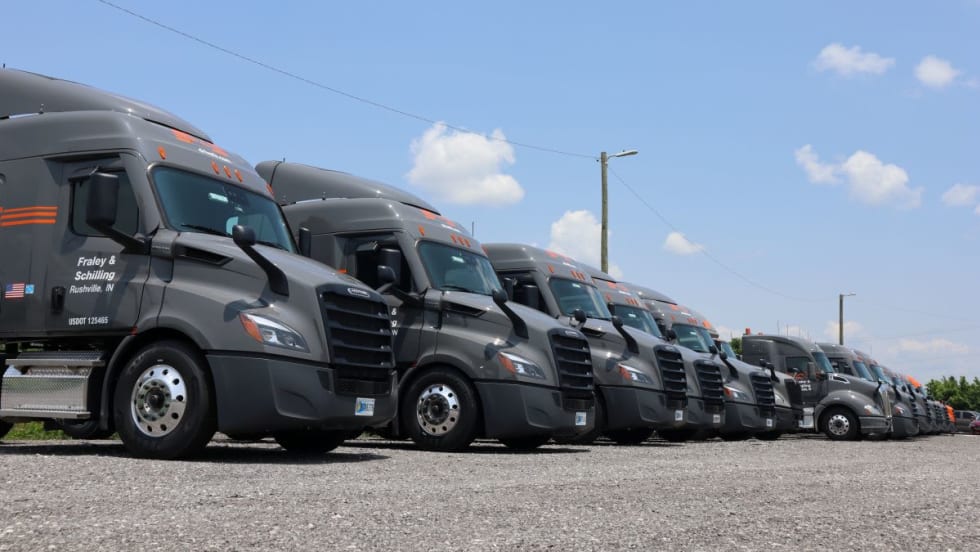
How Fraley & Schilling Improved Logbook Compliance by Over 50%
Fraley & Schilling needed a way to close a compliance workflow gap in its ELD system without adding more work from driver training, reminders, and back-office follow-ups. It found the answer in a custom driver app.
Read More →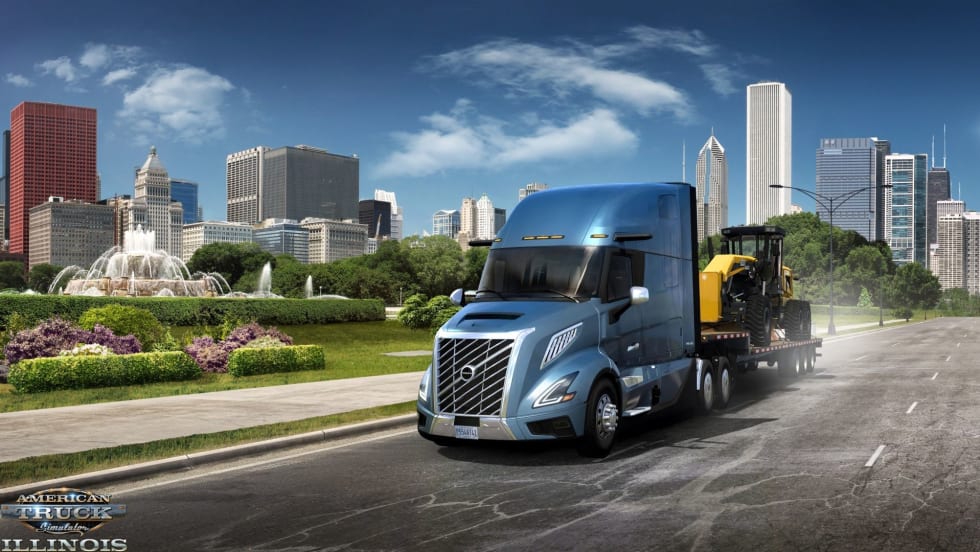
Volvo Goes Gaming
Volvo has roared into American Truck Simulator with two new flagship trucks.
Read More →
What the Best Fleets to Drive For Teach About Driver Retention
Survey fatigue, AI-powered routing, owner-operator expectations, and the decline of social media all emerged as themes from this year's Best Fleets to Drive For program.
Read More →