




Big Fee Hike to be Proposed for Some U.S. Bound Cross-Border Shipments
The U.S. Department of Agriculture’s Animal and Plant Health Inspection Service has announced proposed changes to the fees it charges to recoup costs for conducting agricultural quarantine inspections at U.S. ports of entry.
The U.S. Department of Agriculture’s Animal and Plant Health Inspection Service has announced proposed changes to the fees it charges to recoup costs for conducting agricultural quarantine inspections at U.S. ports of entry.
The proposal, set to be published in the Federal Register, aligns fees with actual program costs so that no one party will pay more than the costs of the services they incur, according to APHIS.
The impact on the cross-border trucking industry will be substantial, according to the fleet group the Canadian Trucking Alliance, which represents more than 4,500 Canadian carriers.
APHIS, which says it used an independent accounting firm to review the fee structure, argues that the current fees charged to trucks do not generate sufficient revenue to cover the costs of the services.
Commercial trucks with a transponder will increase from $105 to $320 per year while commercial trucks without a transponder will be charged $8 per crossing compared to the current fee of $5.25.
According to APHIS, other than some inflationary adjustments, the proposed increases are the first since 2002 and are necessary to protect the country’s agriculture sector from risks posed by foreign animal and plant pests and diseases.
A previous attempt in 2009 to increase the fees was withdrawn when groups such as CTA and the American Trucking Associations objected.
APHIS also claims the revenue from fees charged up until now has been insufficient to cover all costs and compelled the Department of Homeland Security, whose Customs and Border Protection Service conducts the inspections of conveyances and cargo entering the country, to use appropriated funds for additional important homeland security functions and initiatives.
“The proposed increases are ludicrous,” said David Bradley, president and CEO of CTA.
“The United States, like Canada, has every right to protect its agricultural sector from the importation of foreign pests and diseases, and inspections are a necessary part of that,” he said. “But setting astronomical fee increases without consideration of the impact on other industries, or without seeking ways to more effectively and efficiently deploy its resources through risk assessment as opposed to inspecting every truck whether it is hauling agricultural products or not is completely untoward.”
He said APHIS should be using a more targeted, risk assessment approach to consultation based on the “trusted trader” principles employed in other border security programs.
“How efficient and effective is it to be inspecting and charging APHIS fees to trucks that are, for example, importing auto parts into the United States on plastic pallets?” he Bradley said. “Inevitably, these costs will be passed along in higher freight rates to the shippers, importers and exporters.”
This proposed rule will be available for a 60-day comment period.
More Fleet Management
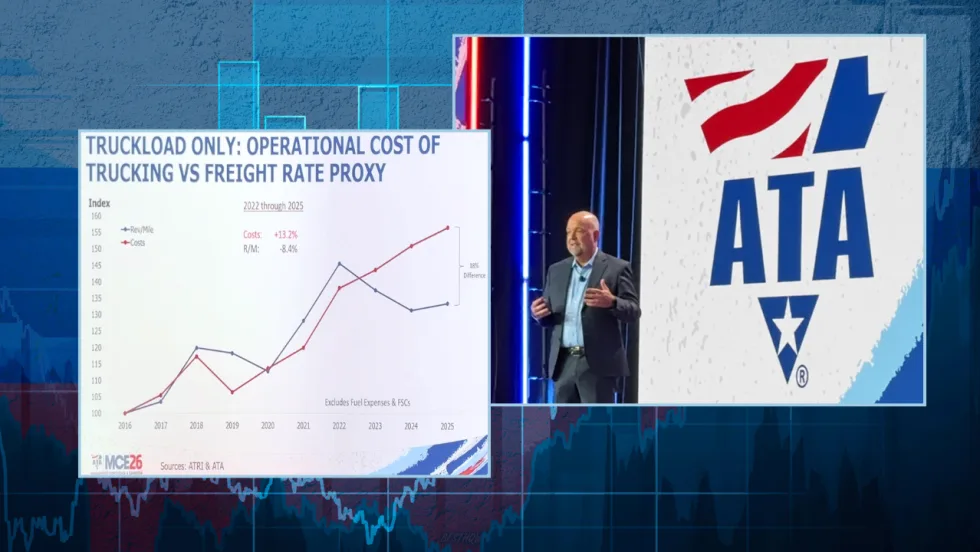
Why This Trucking Recovery Is Different
Freight demand remains sluggish, but rising costs and tougher enforcement have taken enough capacity out of the market to change the outlook for motor carriers.
Read More →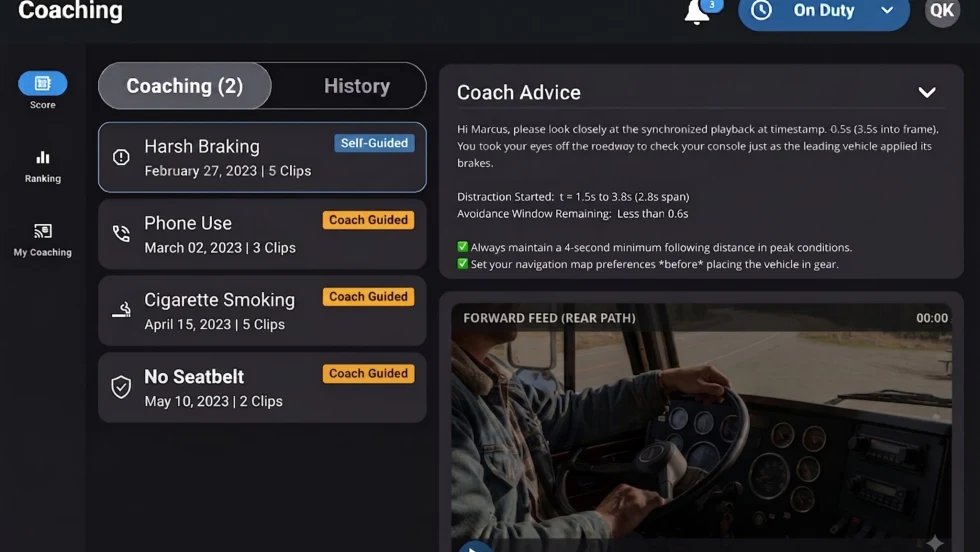
Platform Science Adds Dispatch and Safety Tools
Four additions to PS Fleet help fleets monitor loads, manage driver coaching, share truck locations and adjust video system settings.
Read More →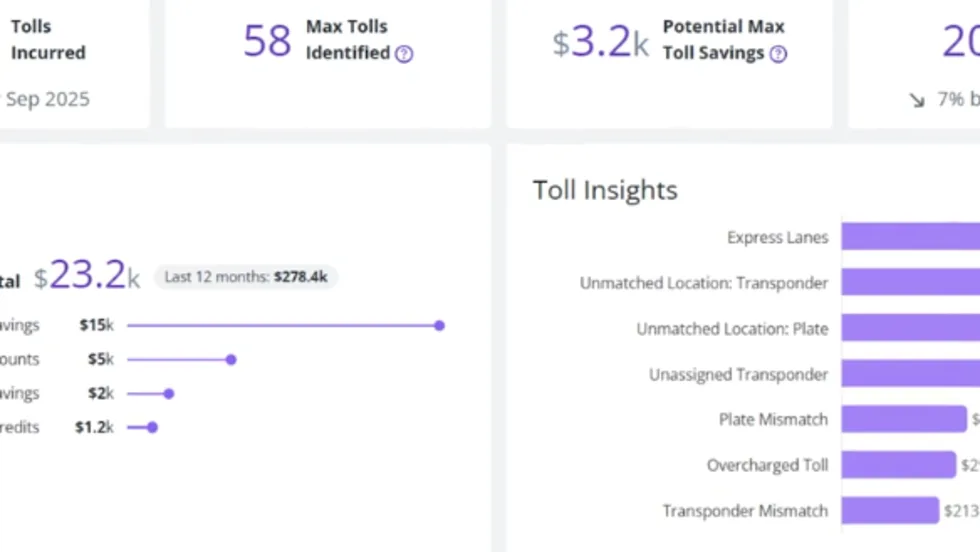
PrePass Intelligence Mines Fleet Bypass, Toll and Safety Data
PrePass Intelligence helps fleets measure bypass savings, flag potential toll overcharges, and spot suspicious transactions by combining data from separate systems.
Read More →
Motive Adds AI Agents for Fleet Operations
New tools automate follow-up on fleet data, from maintenance work orders to driver alerts, with two-way voice conversations planned for later this year.
Read More →
Can You Beat Our Trucking Trivia Challenge?
Test your truck knowledge with 19 trivia questions from Heavy Duty Trucking Exchange. Can you keep up with the fleet pros?
Read More →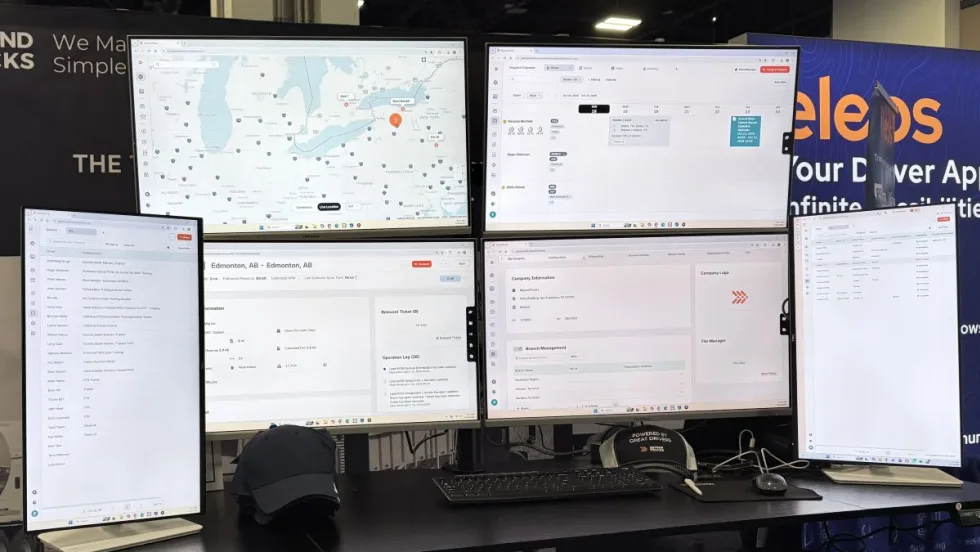
BeyondTrucks Adds Rules Checks to Dispatch
New Compatibility Engine checks driver qualifications, equipment requirements and fleet policies before loads are dispatched.
Read More →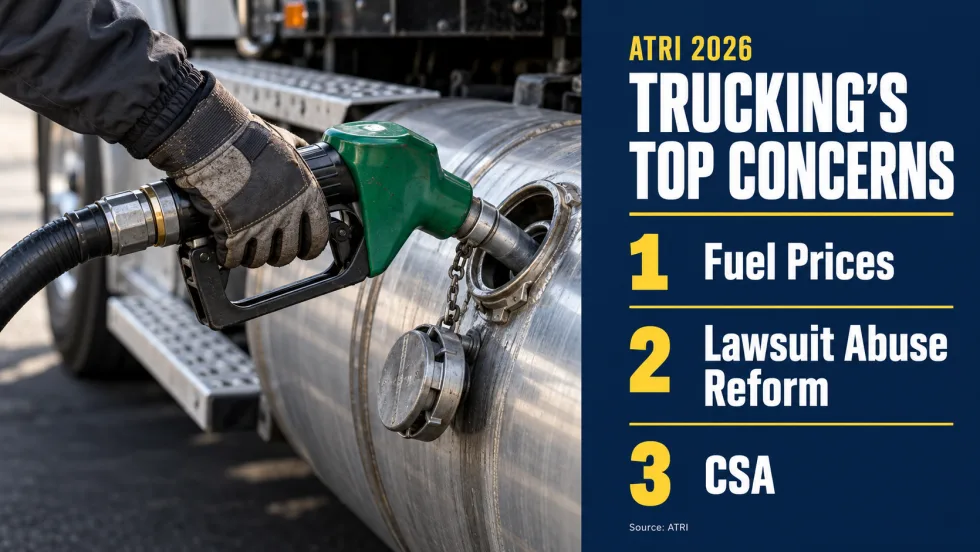
Diesel Prices Hijack Trucking’s Worry List
ATRI’s annual survey finds cautious optimism about freight, but diesel costs, litigation, and insurance continue to squeeze fleets. Drivers have different priorities on several issues.
Read More →
Nomination Deadline Extended for HDT Emerging Leaders
Just a few more days to nominate accomplished trucking fleet professionals under 40 who are making an impact and helping lead the industry forward for the HDT Emerging Leaders award. Deadline extended to October 20!
Read More →
What Will ATA’s New Leader Bring to Trucking's Table?
Incoming President and CEO Mark Colson’s record in Alabama offers clues about his priorities and approach following Chris Spear’s abrupt departure as the head of the American Trucking Associations.
Read More →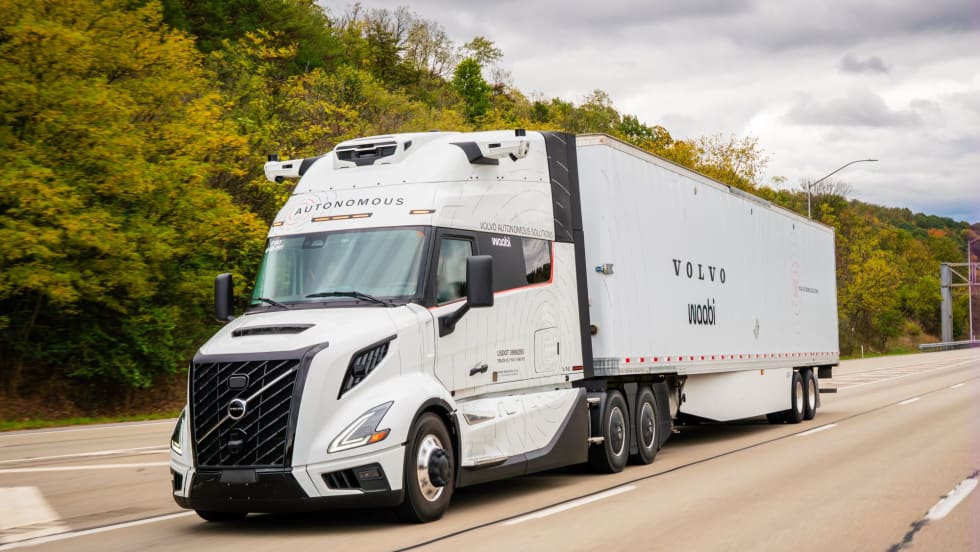
Volvo, Waabi Start Commercial Autonomous Operations in Texas
Volvo VNL Autonomous trucks, powered by the Waabi Driver, are hauling freight directly to third-party facilities for a customer in Texas.
Read More →