




Belzer Disputes Criticism of Driver Survey
A University of Michigan researcher disputes a recent critique of a survey used in drawing up controversial proposed hours of service regulations

A University of Michigan researcher disputes a recent critique of a survey used in drawing up controversial proposed hours of service regulations.
Two weeks ago, the American Trucking Associations released a study by Thomas Hubbard, a national expert on U.S. transportation data. ATA asked Hubbard to analyze the 1997 University of Michigan Trucking Industry Program Driver Survey, which was used by the university's Michael Belzer when developing his Hours-of-Service Impact Assessment for the Federal Motor Carrier Safety Administration. Hubbard compared the information to data from the federal government's Bureau of the Census' Vehicle Inventory and Use Survey.
Hubbard's analysis said the survey, conducted at truckstops in the Midwest, under-represents drivers who don't frequent truckstops: drivers working for private carriers, drivers who work close to their home base, and drivers hauling goods in trailers other than dry or refrigerated vans. In addition, it over-represents owner-operators, he says, and long-distance drivers.
In a three-page reply, Belzer admits that the survey is not representative of the full population of all truck tractor drivers, but says this is "completely beside the point….the key group which the UMTIP driver survey has been used to analyze is exactly the one for which the regulation is aimed: regional and long-haul over-the-road drivers of tractor-trailers."
Belzer says that while the group covered by the proposed hours of service regulations is large and includes many drivers operating smaller vehicles and running low miles, the hours of service proposal explicitly separated the type of regulations by type of operation. His survey, also used in his controversial book "Sweatshops on Wheels," focuses in on just one of those types on purpose.
During roundtables and listening sessions held last year on the hours of service proposal, many drivers and companies who would be covered by the medium- to long-haul regulations, yet who do not necessarily fit the UMTIP profile, testified against the proposal.
For instance, many less-than-truckload drivers pulling doubles are not likely to spend much time at truckstops. Timothy Lynch, president of the Motor Freight Carriers Assn., told DOT officials, "Unionized drivers are in virtual 100% compliance with the hours of service rules." Unionized LTL carriers don't truly fit any of the five categories, he said.
Belzer and his associates also disputed Hubbard's analysis on technical grounds. "Hubbard bases his conclusions on a single survey of trucks - not drivers - and fails to test his data against other sources to determine the reliability of conclusions based on his single source," Belzer says. In disputing Hubbard's critique, UPTIP researchers compared their survey with other statistics, including the federal Current Population Survey from the U.S. Census Bureau and the Bureau of Labor Statistics, and the Financial and Operating Statistics data on for-hire motor carriers collected by the DOT's Bureau of Transportation Statistics.
"In sum, all the available evidence suggests that the sample UMTIP obtained with its driver survey looks very much like the correct sample of the population of interest for the purposes of regulating truck driver hours of work… Policy makers may rest assured that the UMTIP driver survey represents a fair and accurate picture of the truck driver's work life."
This is not the first time the UMTIP survey has come under attack during the hours of service debate. At an hours of service roundtable last September, safety advocates cited the survey, which revealed a very high level of logbook falsification - FMCSA used it to conclude that 40% to 75% of longhaul and regional drivers violate the rules in one way or another. ATA officials pressed the safety agency to put greater emphasis on its own data - the record produced by logbook audits conducted in official safety compliance reviews. They also pointed to the record of log violations found by police at roadside inspections, which is considerably lower than that shown by the truckstop surveys.
The argument is important because the safety agency uses logbook falsification to justify the extremely controversial electronic onboard recorder requirement - and the recorders are key to the economic and safety justification for the entire rule.
More Drivers

Competition Heating Up for Truck Drivers
New report reveals rising driver hiring costs, the return of sign-on bonuses, growing AI advantages, and the operational factors shaping driver retention.
Read More →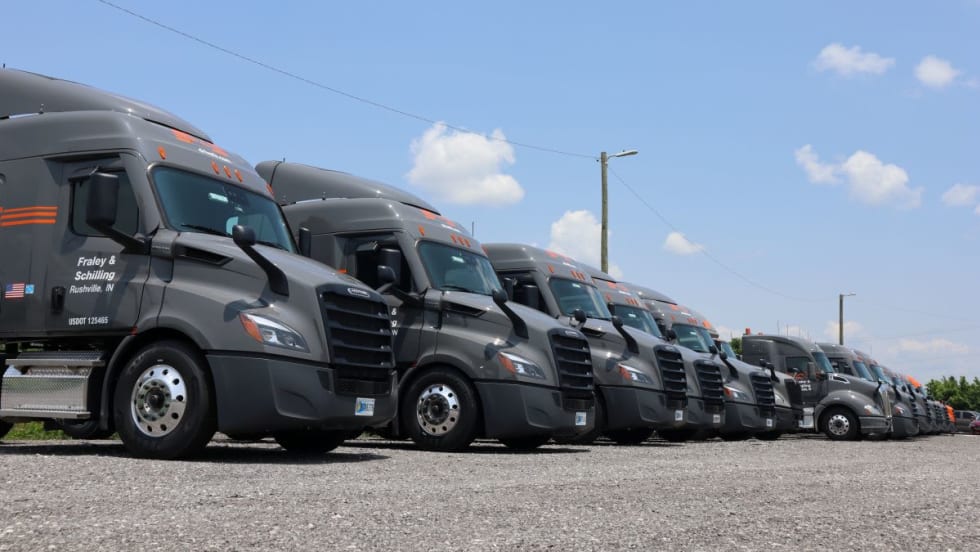
How Fraley & Schilling Improved Logbook Compliance by Over 50%
Fraley & Schilling needed a way to close a compliance workflow gap in its ELD system without adding more work from driver training, reminders, and back-office follow-ups. It found the answer in a custom driver app.
Read More →
Volvo Goes Gaming
Volvo has roared into American Truck Simulator with two new flagship trucks.
Read More →
What the Best Fleets to Drive For Teach About Driver Retention
Survey fatigue, AI-powered routing, owner-operator expectations, and the decline of social media all emerged as themes from this year's Best Fleets to Drive For program.
Read More →
Driver Retention Lessons From the Best Fleets to Drive For
What separates trucking's best workplaces from the rest? Jane Jazrawy shares the biggest lessons from this year's Best Fleets to Drive For program on driver retention, communication, AI, and workforce trends on the HDT Talks Trucking podcast.
Read More →
Farewell, CDL: Why I'm Giving Up My Commercial Driver's License
After more than 20 years as a CDL holder, HDT Executive Editor Jack Roberts is letting his commercial license expire. Not because he wants to — but because trucking's nuclear verdict crisis has made the risks of public-road test drives too great for editors, manufacturers, and everyone involved.
Read More →
How Top Trucking Fleets Improve Driver Retention [Video]
What do healthy snacks, optimized routing, and just picking up the phone have in common? They're all strategies the Best Fleets to Drive For are using to retain truck drivers.
Read More →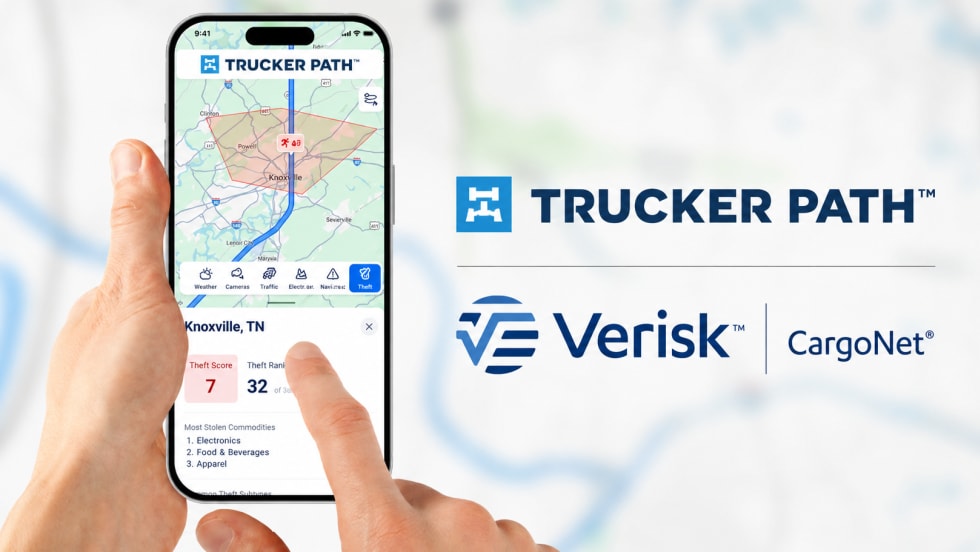
Trucker Path Adds Verisk CargoNet Theft Data to Navigation Platform
Trucker Path’s new cargo theft risk overlays give drivers and fleets visibility into high-risk areas, stolen commodity trends, and theft hotspots.
Read More →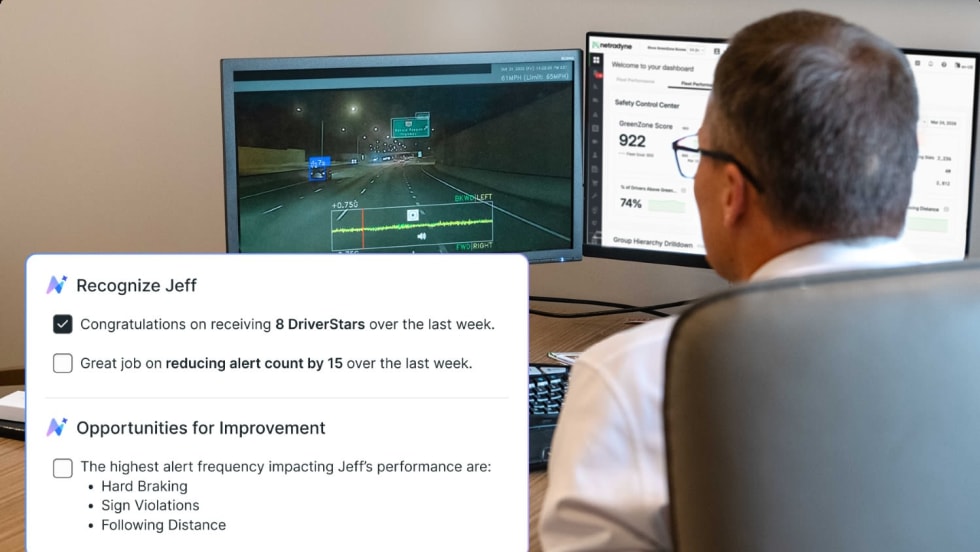
Netradyne Intelligence Uses New AI Agents to Automate Response to In-Cab Camera Data
The company called the next-generation in-cab camera safety platform "a fundamental shift from systems that report on what happened to systems that actively drive what should happen next."
Read More →
Why Truck Detention Keeps Costing Fleets Time and Money
A 2024 ATRI study found detention affects nearly 40% of truckload stops and costs the industry more than $15 billion annually. Despite the toll on drivers, fleets, and supply chains, the problem remains stubbornly persistent.
Read More →