




Battery-Powered Trucks a 'Big Lift' for Calif. Utility
Southern California Edison is investing in a new generation of environmentally friendly service trucks whose overhead lifts are powered by the same kind of batteries used in plug-in electric cars, according to the utility.
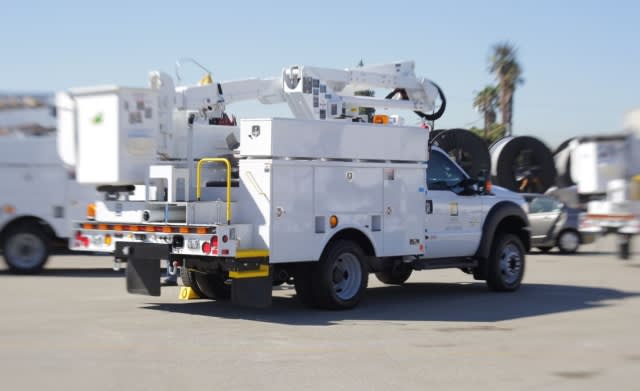
Recently, SCE took delivery of two lithium-ion-battery-equipped troubleman trucks, so named because they are used by troublemen, experts who are dispatched to investigate the causes of power outages. And, 22 more are on the way, according to the utility. (Photo: Southern California Edison).
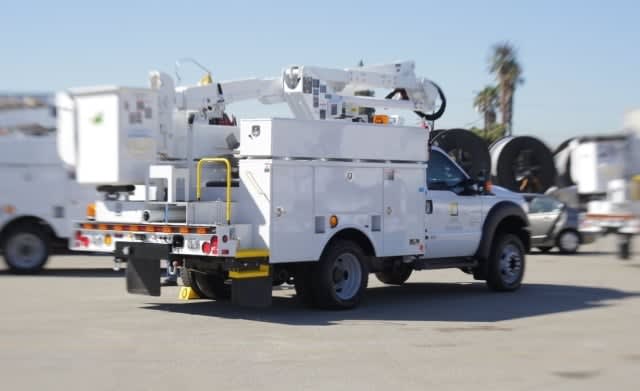
Recently, SCE took delivery of two lithium-ion-battery-equipped troubleman trucks, so named because they are used by troublemen, experts who are dispatched to investigate the causes of power outages. And, 22 more are on the way, according to the utility. (Photo: Southern California Edison).
Southern California Edison is investing in a new generation of environmentally friendly service trucks whose overhead lifts are powered by the same kind of batteries used in plug-in electric cars, according to the utility.
Recently, SCE took delivery of two lithium-ion-battery-equipped troubleman trucks, so named because they are used by troublemen, experts who are dispatched to investigate the causes of power outages. And, 22 more are on the way, according to the utility.
“This purchase is part of SCE’s commitment to electric transportation, which is one facet of our overall vision for a modern grid that will support consumer use of clean-energy technologies and help California meet its clean-energy goals,” said Laura Renger, SCE principal manager of Environmental Affairs and Compliance. “At SCE, we’re not just encouraging others to consider electric vehicles, we’re leading by example.”
The new system allows troublemen to fully shut down the truck’s engine while work is being done, making the trucks safer, quieter, more fuel efficient and better for the environment. The batteries also allow the trucks’ air conditioning, lights, and two-way radios to be operated while the engine is turned off.
Without batteries, the lift’s hydraulic system would be powered by the truck’s transmission, requiring the vehicle to idle during operation.
This year, SCE anticipates spending 20% of its annual fleet budget on plug-in electric vehicles, according to Todd Carlson, SCE principal manager of Fleet Management. SCE has more than 400 troubleman trucks in its fleet that could potentially use the new lithium-ion battery system, as well as nearly 300 larger bucket trucks used by repair crews. A few of the larger trucks with a similar battery system have also been added to SCE’s fleet.
“These trucks will not have to idle their engines for the first few hours that crews are working, leading to reduced fuel consumption, lower emissions and reduced wear and tear on engines,” Carlson said, noting that the trucks are also equipped with stop-start technology to automatically turn off the engine five seconds after they are put in park.
“Elimination of engine noise also makes working conditions safer and improves worker communication — and customers appreciate the quieter job site operation, too,” he added.
Check out a video below on the new Electric Bucket Trucks:
More Fleet Management
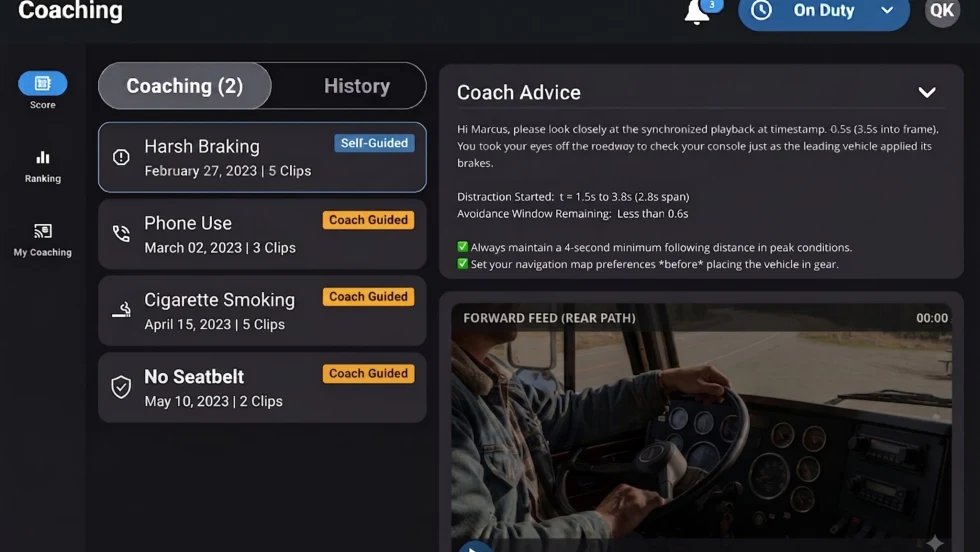
Platform Science Adds Dispatch and Safety Tools
Four additions to PS Fleet help fleets monitor loads, manage driver coaching, share truck locations and adjust video system settings.
Read More →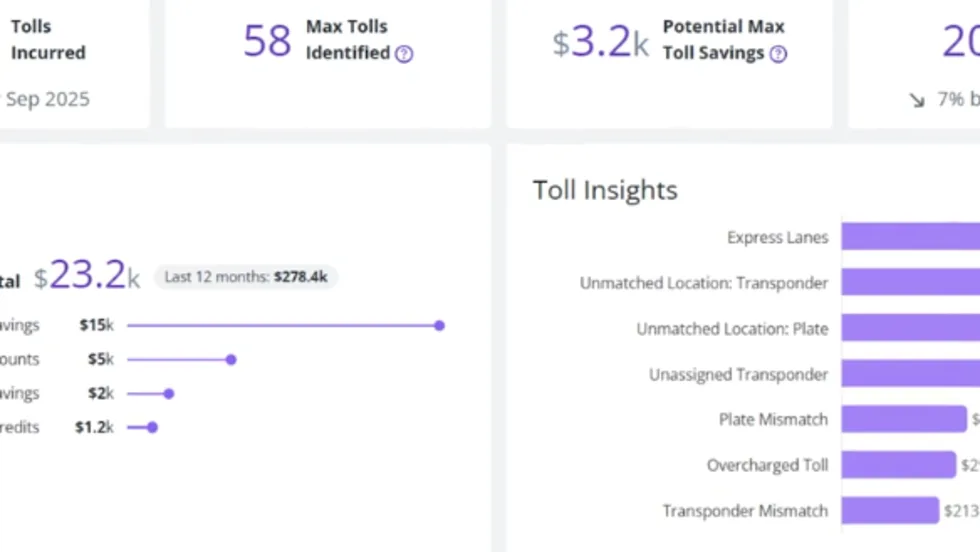
PrePass Intelligence Mines Fleet Bypass, Toll and Safety Data
PrePass Intelligence helps fleets measure bypass savings, flag potential toll overcharges, and spot suspicious transactions by combining data from separate systems.
Read More →
Motive Adds AI Agents for Fleet Operations
New tools automate follow-up on fleet data, from maintenance work orders to driver alerts, with two-way voice conversations planned for later this year.
Read More →
Can You Beat Our Trucking Trivia Challenge?
Test your truck knowledge with 19 trivia questions from Heavy Duty Trucking Exchange. Can you keep up with the fleet pros?
Read More →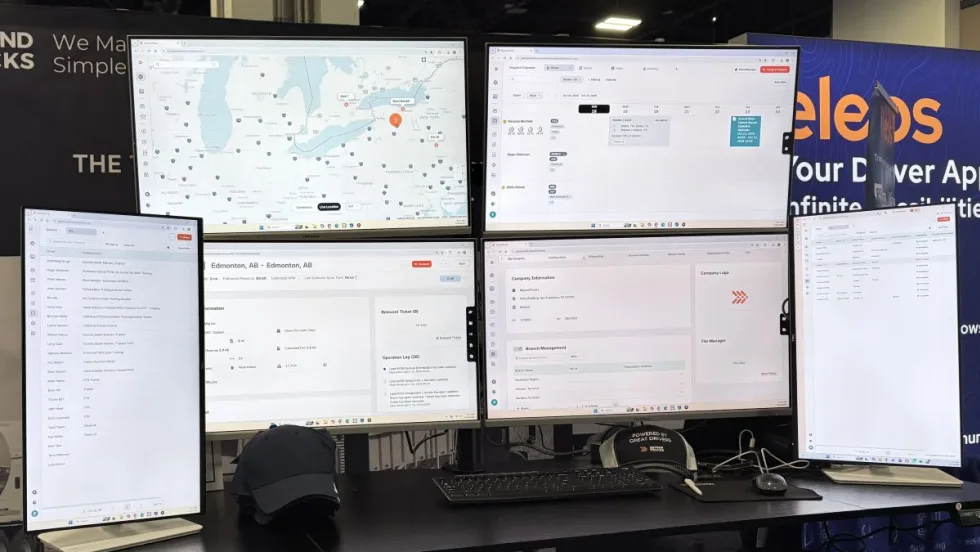
BeyondTrucks Adds Rules Checks to Dispatch
New Compatibility Engine checks driver qualifications, equipment requirements and fleet policies before loads are dispatched.
Read More →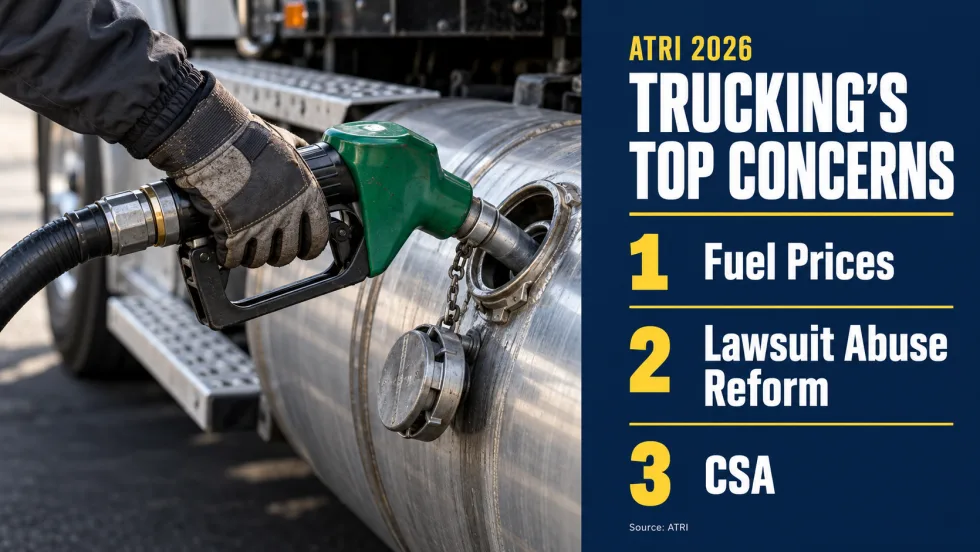
Diesel Prices Hijack Trucking’s Worry List
ATRI’s annual survey finds cautious optimism about freight, but diesel costs, litigation, and insurance continue to squeeze fleets. Drivers have different priorities on several issues.
Read More →
Nomination Deadline Extended for HDT Emerging Leaders
Just a few more days to nominate accomplished trucking fleet professionals under 40 who are making an impact and helping lead the industry forward for the HDT Emerging Leaders award. Deadline extended to October 20!
Read More →
What Will ATA’s New Leader Bring to Trucking's Table?
Incoming President and CEO Mark Colson’s record in Alabama offers clues about his priorities and approach following Chris Spear’s abrupt departure as the head of the American Trucking Associations.
Read More →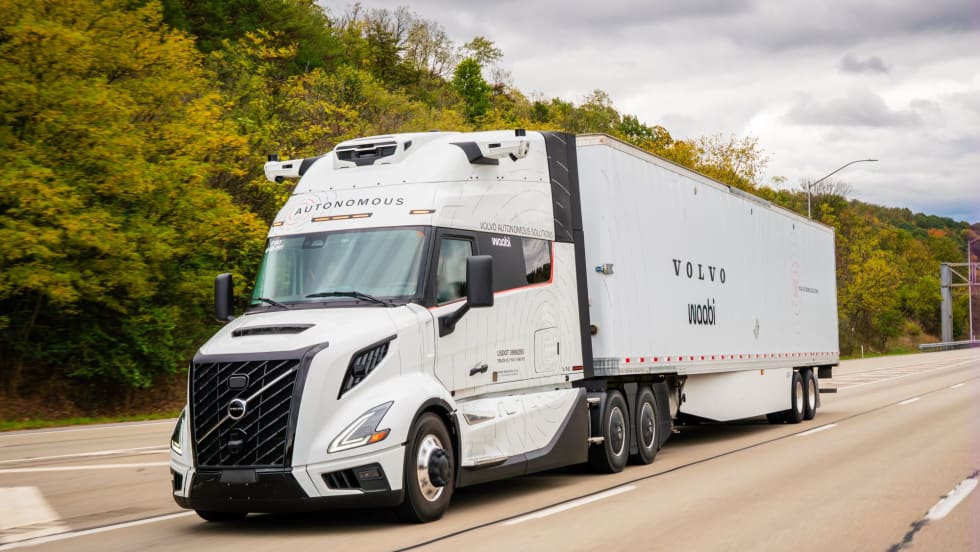
Volvo, Waabi Start Commercial Autonomous Operations in Texas
Volvo VNL Autonomous trucks, powered by the Waabi Driver, are hauling freight directly to third-party facilities for a customer in Texas.
Read More →
Samsara Launches Custom AI Agent Builder
Agent Studio lets fleets create AI tools for hours-of-service monitoring, reporting and driver support, including agents that communicate by phone.
Read More →