




Automation, 24-Hour Operation Needed To Avoid Port Gridlock
"I cannot comprehend why people don't respond to this as a national crisis," said Michael Belzer, assistant research scientist at the University of Michigan, speaking at a recent intermodal seminar sponsored by the Transportation Research Board in Long Beach, CA
"I cannot comprehend why people don't respond to this as a national crisis," said Michael Belzer, assistant research scientist at the University of Michigan, speaking at a recent intermodal seminar sponsored by the Transportation Research Board in Long Beach, CA.
Belzer characterized the nation's ports as "sweatshops" where drivers are concerned, and said if something isn't done about it, there won't be any drivers left.
Harbor drivers, mostly independent contractors, are paid by the load rather than by the hour or the mile. As waiting times and expenses have increased, they are making less and less money. Belzer says the drivers average only $7 an hour after paying for fuel, insurance, maintenance, repair and truck payments. Low wages, long hours, piecework and unsafe working conditions, he said - sweatshops.
Another speaker took issue with the International Longshore and Warehouse Union. Eugene Pentimonti, a maritime engineer and former shipping executive, said the union thwarts employer attempts to introduce technology that would improve productivity and therefore reduce driver wait times, such as paperless gate operations and automated dispatching.
But ILWU Vice President James Spinosa placed the blame back on the employers' shoulders. During contract negotiations last year with the Pacific Maritime Assn., the issue of technology came up. The ILWU says automation, such as robotics at marine terminals, would cost jobs. The union will go along with automation - as long as jobs created by that automation are given to ILWU workers.
The situation is only getting worse. Richard Hollingsworth, president of an economic development corporation representing cities near the Los Angeles-Long Beach port complex, said that cargo volume is expected to triple by 2020, and the freeways won't be able to handle the traffic.
To avoid gridlock, Hollingsworth recommended that marine terminal gates be automated and kept open longer. The ILWU said working around the clock is no problem - but some employers don't want to pay the higher wages for second- and third-shift work.
Joe Nievez, president of Qwickway Trucking in Los Angeles and immediate past chairman of the California Trucking Assn., also weighed in on the 24-hour issue. He pointed out that terminals are open for ocean-going vessels 24 hours a day; why are trucks limited to business hours?
More Fleet Management

What the U.S.-Canada Trade War Means for Trucking
Escalating U.S.-Canada tariffs could disrupt cross-border freight, reduce truck volumes, raise costs, and create new uncertainty for carriers on both sides of the border.
Read More →
What Are Trucking’s Top Concerns for 2026?
The American Transportation Research Institute wants to know what's worrying trucking fleet managers, drivers, and other stakeholders in its annual Industry Issues survey.
Read More →
American Trucking Associations Looks for a New Leader
ATA President and CEO Chris Spear abruptly left his job at the association on August 21, at a pivotal time for the trucking industry.
Read More →
Public Wi-Fi Cybersecurity Risks: How Truck Drivers and Fleets Can Protect Their Data
Public Wi-Fi can expose truck drivers and fleets to credential theft, malware, and other cyber threats. Here’s how to reduce the risk on the road.
Read More →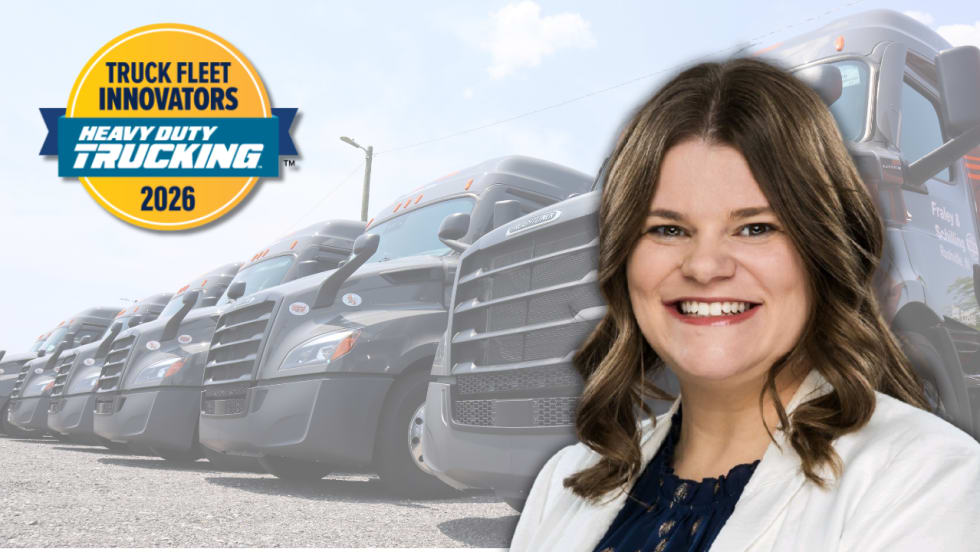
For Nicky Cupp, Fleet Innovation Starts With Frustration
HDT Truck Fleet Innovator Nicky Cupp turns everyday pain points at Fraley & Schilling into opportunities for better technology and smarter processes.
Read More →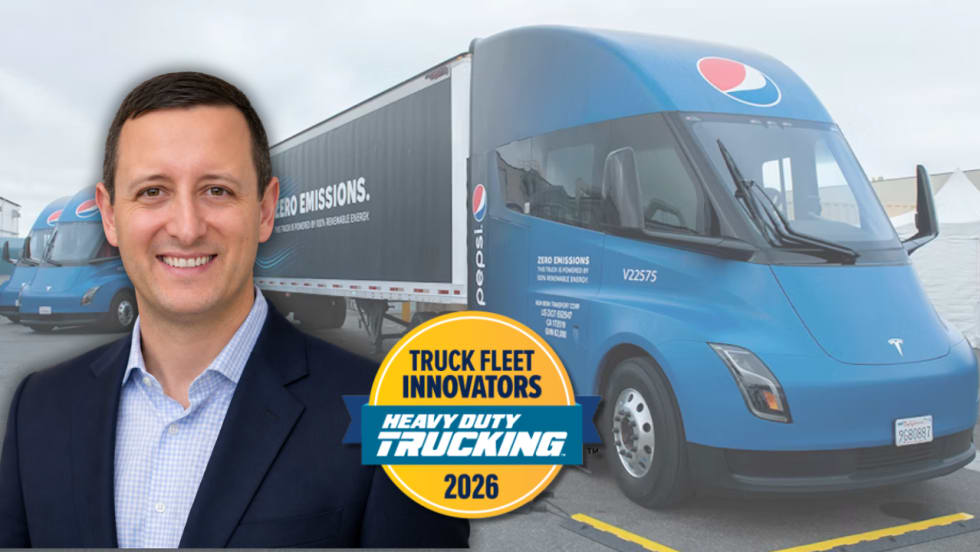
Adam Buttgenbach’s Approach to Electric Trucks: Start With Where They Fit
HDT Truck Fleet Innovator Adam Buttgenbach helped PepsiCo build one of North America’s largest EV fleets by focusing on where electric trucks make operational sense.
Read More →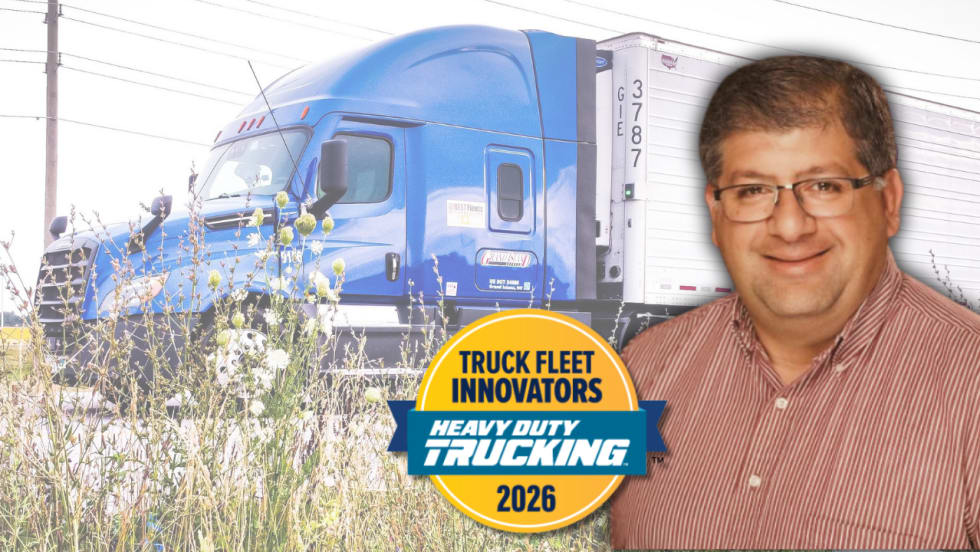
Deen Albert: Let Automation Do the Math, People Make the Decisions
HDT Truck Fleet Innovator Deen Albert makes sure people are still at the heart of operations at Grand Island Express, even while adopting artificial intelligence tools. AI-assisted dispatch helped boost revenue 25% with the same number of trucks.
Read More →
Trimble’s New AI Agent Takes Aim at Fleet Back-Office Busywork
Arc Agent works across Trimble TMS products to automate repetitive tasks such as freight orders, maintenance, invoices, fuel costs and more.
Read More →
How HDT’s 2026 Truck Fleet Innovators Are Rethinking Fleet Operations
Meet five trucking leaders who are challenging assumptions, solving operational problems, and putting innovative ideas to work.
Read More →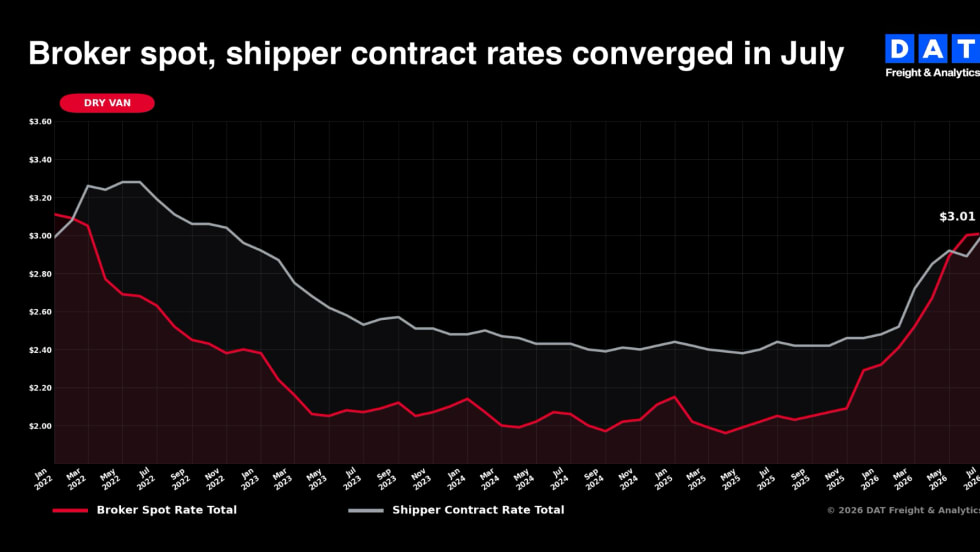
Tight Trucking Capacity Pushes Rates Higher Even as Freight Volumes Fall
“Spot rates moving ahead of contract rates have historically signaled a tightening market, but we haven’t seen a capacity-driven market quite like this one,” said DAT's Dean Croke.
Read More →