




Automated Manuals: A Success Story
Automated manual transmissions in heavy trucks once were an anomaly. Editor in chief Deborah Lockridge contemplates Daimler's role in changing that trend in her "All That's Trucking" blog.

Martin Daum, head of Daimler Trucks North America, is an energetic and enthusiastic fellow. So when he proclaimed less than two years ago, at the announcement of the new Detroit DT12 that he was "on a mission to convert the North American truck market to automated manual transmissions," I have to admit as a skeptical journalist type, I chalked it up to a bit of "irrational exuberance," as former Federal Reserve Board chairman Alan Greenspan once described the Internet stock craze of the mid-90s.
But it has become increasingly evident that AMTs are no dot-com bubble.
That was clear this week at the American Trucking Associations Management Conference and Exhibition in San Diego.
In December 2012, Daimler Trucks North America, with the help of President Obama, announced it would invest $120 million in facilities to build the new Detroit DT12 automated manual transmission in the United States.
"If we reach the volume of transmissions I see for the United States, we won't be able to import them," Daum said then. He compared the automated transmission market in North America to the classic chicken and egg dilemma, but said he was confident that making this investment in automated transmissions would help drive the market. "This takes a certain type of courage and confidence, but I think we know what we are doing, because we saw the fairly extraordinary results from the get-go when it comes to fuel efficiency."
Initially the DT12 would be imported from Germany, but the Detroit plant was scheduled to be up and running by 2015 with an initial capacity of 30,000 transmissions a year. A modular system would allow the company to double that capacity relatively easily when warranted.
That expansion may come sooner than they thought. During a briefing with reporters this week during the ATA conference, company officials said the success of the transmission had exceeded even their own optimistic expectations.
Daimler projects sales for the Detroit transmissions next year of 25,000, but Daum told reporters, "I would say this is conservative -- I would say 30,000" – which would be the full capacity of the plant.
"We invest in Detroit for 57,000 automated transmissions in 2017, and that may not be enough," he added. "Who would ever have thought that would happen?"
Of course, there were AMTs for heavy-duty trucks on the market long before the introduction of the Detroit DT12, including ones from Eaton, Mack and Volvo. Volvo and Mack led the charge for vertically integrated powertrain that were optimized for fuel efficiency.
Yet it does appear that, with its dominant market share in heavy-duty trucks, DTNA's push may be helping drive adoption of AMTs in trucking fleets, as well as additional product introductions and improvements from other companies.
For instance, also at ATA, Mack Trucks announced it is making its mDrive automated manual transmission standard equipment on its Pinnacle on-highway truck model. And recently, Con-way Truckload announced it's buying 550 new trucks, most equipped with automated transmissions.
Related:
Test Drive: Detroit's Smooth Self-Shifter
Test Drive: Cummins-Eaton Powertrain Smooth as Silk
Commentary: Shall We Automate?
More Fuel Smarts
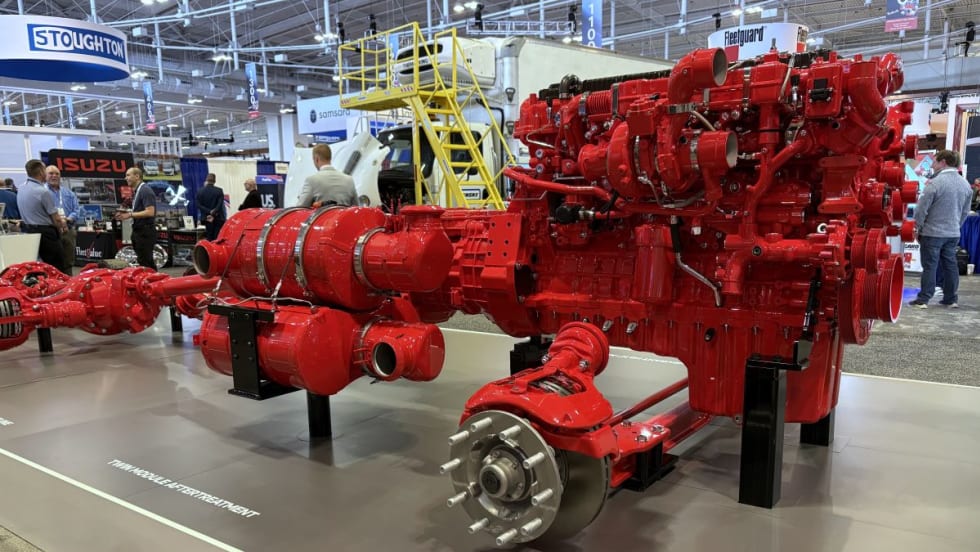
Cummins Adjusts 2027 Engine Rollout After EPA Proposal
The engine maker will gradually introduce its new Model Year 2027 diesel engines while continuing to offer current models during the transition, citing the EPA's proposed emissions rule changes.
Read More →
EPA Proposal Could Ease 2027 Truck Costs and Buying Uncertainty
The proposal doesn't change the tougher NOx standard, but it would revise key implementation requirements that manufacturers say have driven up costs and complicated fleet purchasing decisions.
Read More →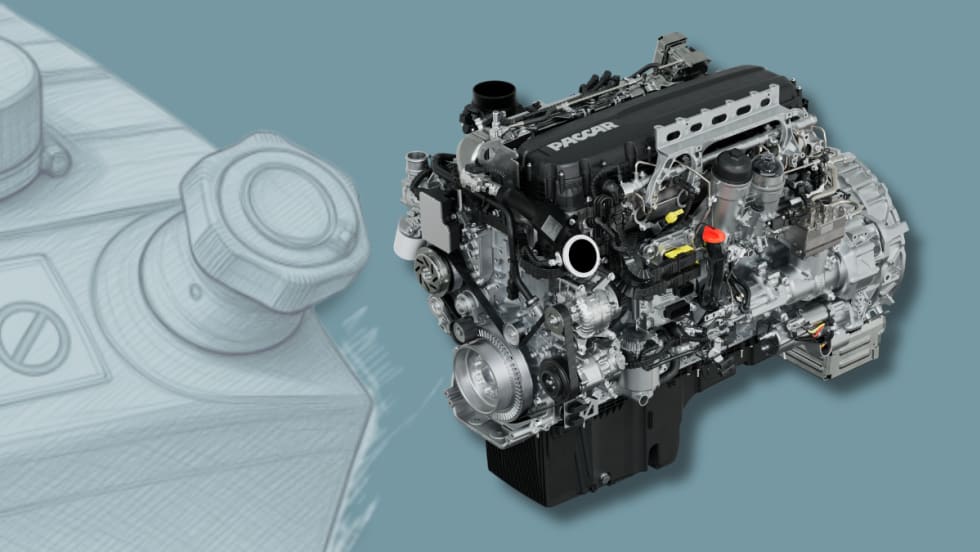
Cummins, Paccar Ease DEF Derates After EPA Guidance
Updated diesel engine software gives truck operators more time to address emissions-system issues while staying compliant with EPA emissions standards.
Read More →
Maintenance in the Messy Middle Part 3: Biodiesel
Biodiesel can reduce emissions, improve fuel-system lubricity and use existing diesel infrastructure. But NACFE’s Messy Middle maintenance report says fleets must actively manage storage, cold-weather operation, filters and oil drain intervals to avoid problems.
Read More →
Enhance Fleet Performance with High-Efficiency Auxiliary Power Units
Drive sustainable cost savings while increasing driver comfort during short- and long-haul logistics operations.
Read More →
Maintenance in the ‘Messy Middle’ Part 2: Renewable Diesel Fuel
NACFE's latest Messy Middle Powertrain Service & Maintenance report says renewable diesel gives fleets an opportunity to reduce carbon emissions without changing trucks, fueling infrastructure or maintenance practices. But technicians still need to understand several important operational differences.
Read More →
The Diesel Engine Enters NACFE’s ‘Messy Middle’
NACFE’s new Messy Middle Powertrain Service & Maintenance report says keeping modern diesel engines running now depends as much on software, diagnostics and data as traditional mechanical service.
Read More →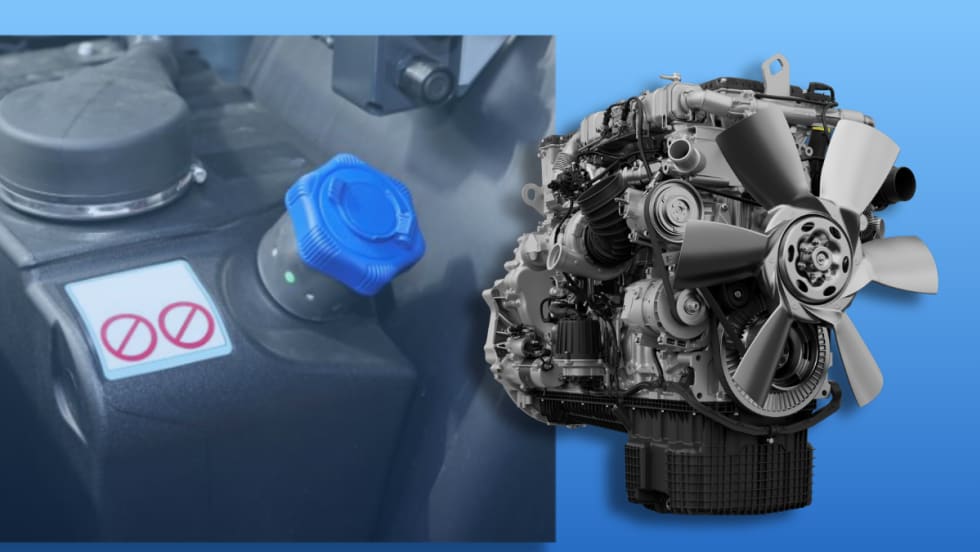
DTNA Software Update Gives Truckers More Time Before DEF Derates Take Effect
The changes reflect EPA guidance aimed at reducing downtime caused by emissions-system faults while maintaining compliance requirements.
Read More →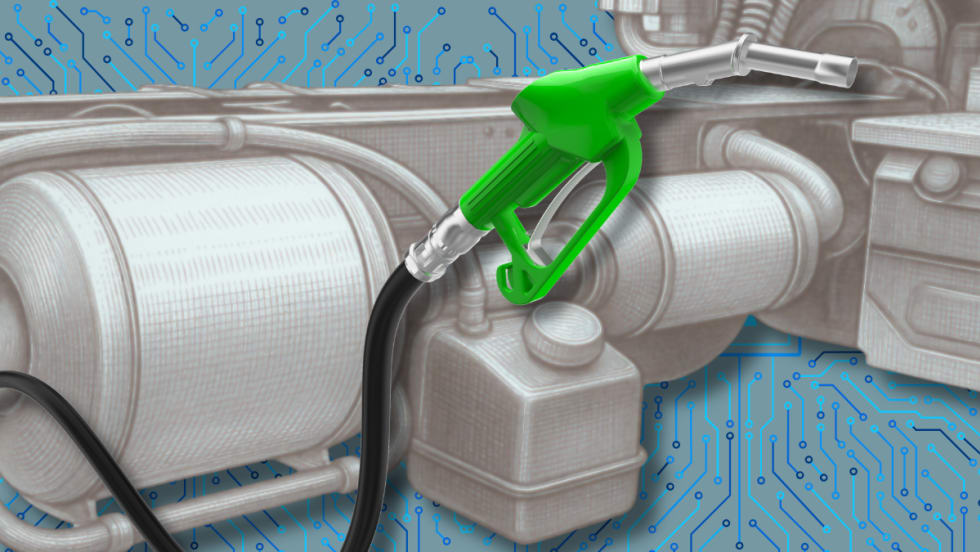
New Agentic Predictive Maintenance Report Demonstrates How Degraded Aftertreatment Systems Waste Fuel
Questar analyzed a large mixed-class fleet and discovered it was wasting as much as $30 in fuel per vehicle, per day, because of mechanically degraded aftertreatment systems.
Read More →
New York City's Microhub Project is Delivering Results
Trucking, last-mile delivery companies, and environmental advocates like what they are seeing so far with New York's microhub program.
Read More →