




Autocar Debuts DC Series Severe-Duty Work Trucks
Autocar has rolled out severe-duty versions of its new DC Series vocational truck.


Autocar is adding to its vocational truck lineup.
Photo: Autocar

Autocar says its latest DC conventional models are built with construction in mind.
Photo: Autocar
Autocar debuted its first work truck, the Autocar No. 1, in 1897. The vehicle was tricycle-powered by a one-cylinder gasoline engine. Now, as the OEM heads into its second century of production, Autocar is adding the new DC-64D, ACX Xpeditor, and ACMD Xpert severe-duty model trucks to its lineup.
Autocar first announced in the fall of 2019 that it would be building two conventional truck models designed for the concrete and construction industry: the Autocar DC-64M designed for concrete mixers and the DC-64P for concrete pump applications. Last fall, it added the DC-64R designed for refuse. Now the DC-64D has been added designed for dump truck applications, and two new COE models.
With the new work truck models, Autocar said it has introduced a line of custom trucks designed to fit the needs of construction body requirements for job performance, safety and maximized uptime.
When designing the Autocar DC-64D, the company sought input from industry experts, while pairing its history of severe-duty truck design to engineer a truck designed specifically for construction applications, it said in a statement. More than 100 improvements later, the company said, the Autocar DC-64 solves numerous industry-specific issues.
According to the OEM, the DC Series delivers noticeable performance differences from previous Autocar models, including improved stability, tighter turning radius, greater frame strength, and overall custom engineering.
One of the major differences of the DC is the 325 degrees of visibility from the driver’s seat, with 3.2 square meters of viewable glass area. With its 160,000-psi steel frame rails, the Autocar DC handles up to 1,700 foot-pounds of torque and features a 36,287-kg towing capacity. Each model is available with diesel or natural gas fuel options.
“Autocar’s mission is to build trucks that never break down and are always up,” said Tim Thornton, vice president of strategy and commercialization at Autocar, in a news release. “To do this, we work directly with the customer to engineer the truck specific to their application, then work closely with the body company for additional pre-body engineering to enable a seamless integration that is truly unique to Autocar. Our direct-to-customer, pre-engineered approach has simplified the integration of post-production equipment."
Autocar DC Series Model Specifics
The DC-64D is engineered specifically for the demands of dump truck and general construction applications. The DC-64M is purpose-built for mixers, with specialized frame rails, suspension, cab and electrical features to withstand the challenges of mixer operations. Both models provide exceptional side-to-side and upward visibility, thanks to a wide, curved and steeply raked windshield, according to the company.

Autocar touts the large cab of its ACX Xpeditor, suitable for construction, road maintenance, refuse/recycling and more.
Photo: Autocar
The Autocar ACX Xpeditor cab-over-engine model offers 4X2, 6X4 and 8X4 drivetrain options. The OEM said the truck’s rivetless construction requires less maintenance, and the extra-thick front panel reduces damage from the toughest work conditions.

The Autocar ACMD is a Class 7/8 COE suited for refuse, road maintance, and aircraft support.
Photo: Autocar
The Autocar ACMD Xpert packs Autocar toughness into a Class 7/8 package that can be used in a wide range of vocational applications. It’s big enough to comfortably fit a three-man crew but sized for maneuvering through narrow alleys, tight parking lots and busy streets.
More Equipment

Electric Yard Tractors Move Beyond Pilots
Operating-cost savings have overtaken sustainability goals as the leading reason surveyed fleets are adopting battery-electric terminal tractors, according to new NACFE research.
Read More →
Continental Introduces New Regional Truck Tires
Continental says its new Generation 5 steer and drive tires for regional operations offer longer tread life, with estimated mileage gains of 22% and 19%, respectively.
Read More →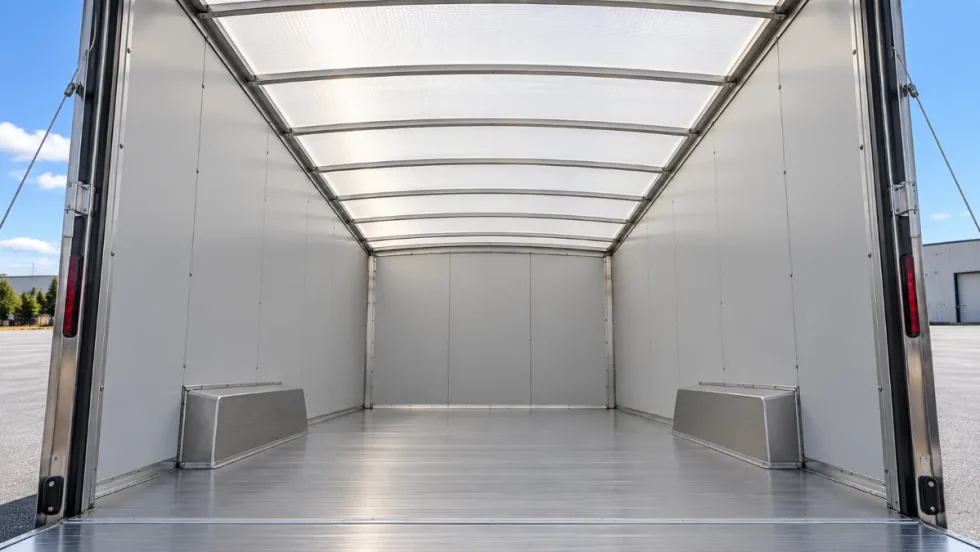
Tekmodo Introduces CargoBright Brand for Translucent Trailer Roofs
CargoBright is designed to diffuse daylight across the cargo area while performing as a working vehicle roof.
Read More →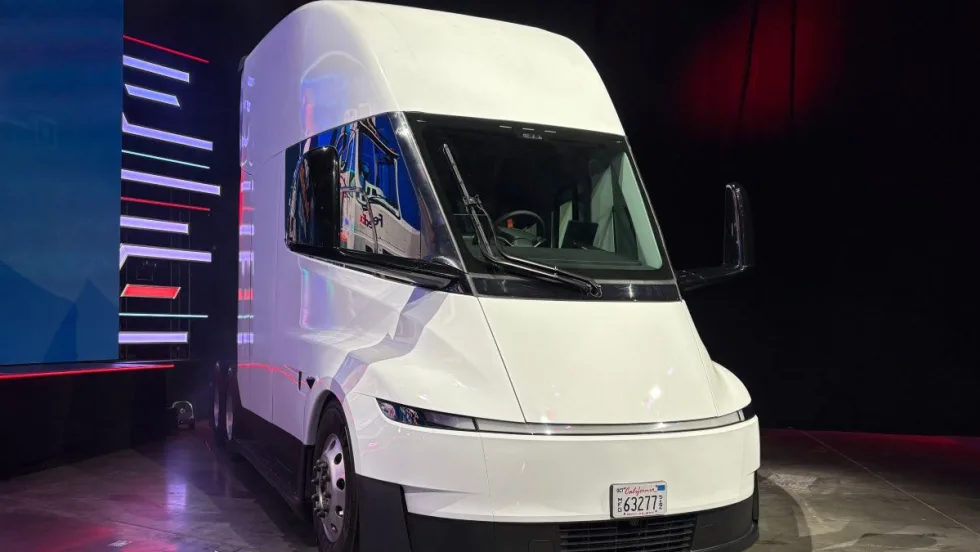
Fleet Economics Shape Electric Truck Outlook
ACT Research expects costs, charging infrastructure, and technology improvements to drive zero-emission commercial vehicle adoption as federal regulations and incentives retreat.
Read More →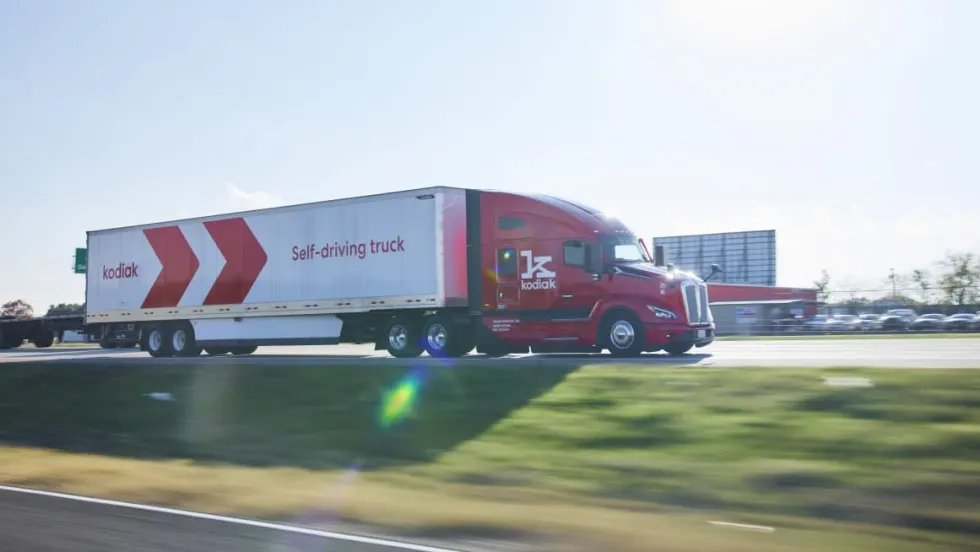
Kodiak Targets Dallas–Houston for Driverless Trucks
The company says its autonomous trucks are completing the I-45 run without a safety observer taking control. It plans to remove the observer by the end of 2026.
Read More →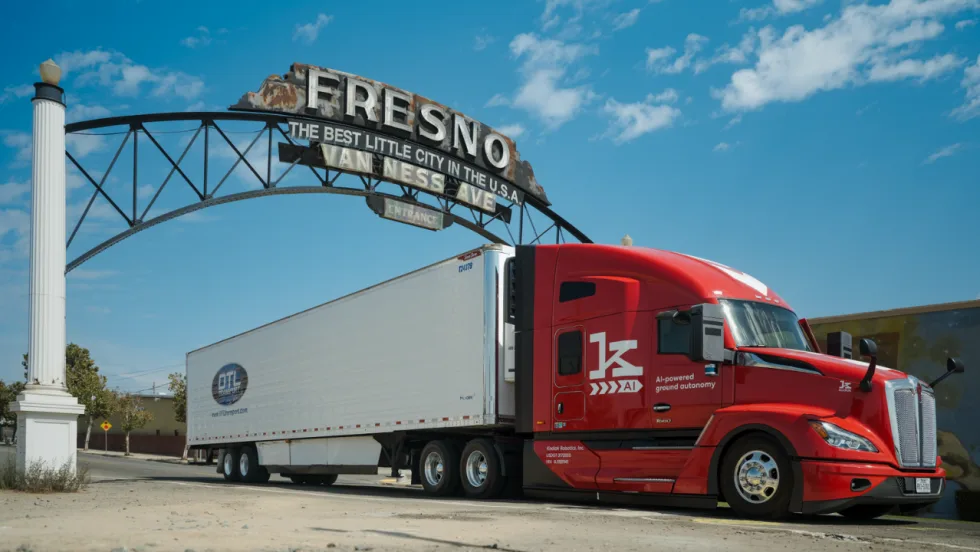
Kodiak Hauls Produce in California Autonomous Truck Pilot
Kodiak AI and DTL Transport have begun hauling produce between Fresno and Los Angeles under California’s new rules for testing heavy-duty autonomous trucks. A safety driver remains behind the wheel.
Read More →
Used-Truck Remarketing Math Is Changing
Used-truck value is no longer just a concern at trade-in. Decisions made throughout a truck’s first life can influence what it’s worth years later.
Read More →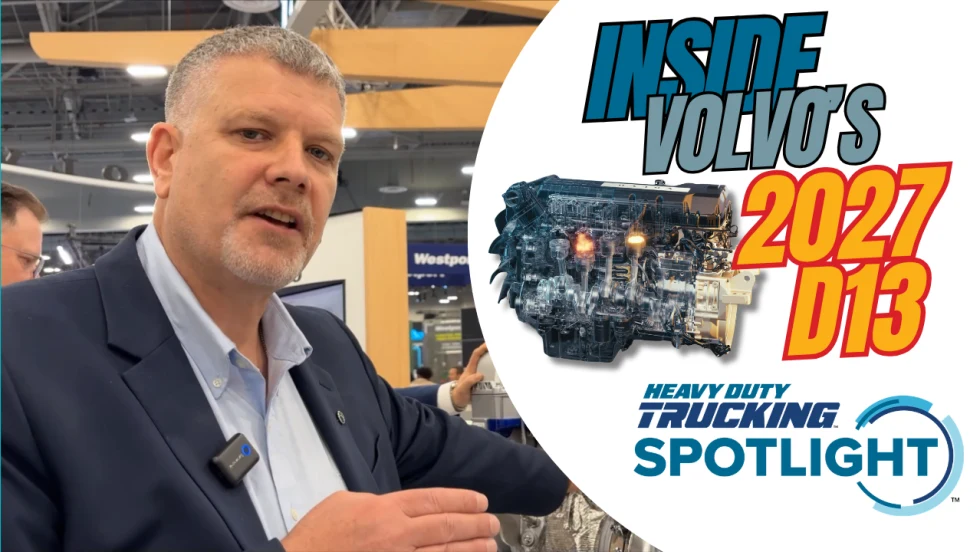
How Volvo Updated Its D13 for EPA 2027 [Watch]
Volvo’s updated D13 promises lower emissions without sacrificing performance or fuel economy. Take a closer look at what changed inside the engine in this HDT Spotlight video.
Read More →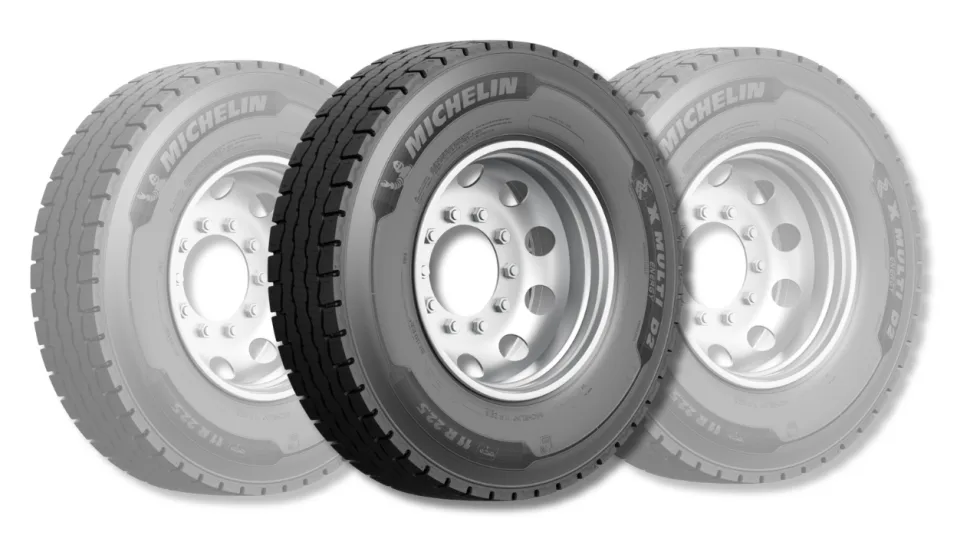
Michelin Tire Improves Efficiency and Durability for Regional Fleets
The Michelin X Multi Energy D2 is a regional haul drive tire engineered to help fleets improve fuel efficiency, durability and traction in demanding stop-and-go operations.
Read More →
ZF Expands Commercial Vehicle Push in North America
ZF is expanding its North American commercial-vehicle presence with new transmission applications, electrification, trailer technology and autonomous-driving systems.
Read More →