




Related: The 2016 Trailers Update
August Sees Boost in Trailer Orders
The final numbers on August net trailer orders show a significant increase over the previous month that still fell slightly below expectations.
by Staff
September 20, 2016
2 min to read
The final numbers on August net trailer orders show a significant increase over the previous month that still fell slightly below expectations.
Transportation industry analyst FTR reported a total of 14,000 units ordered for the month which was up 48% from July. However, July was a terrible month for orders and compared to August 2015, orders were actually down 48%.
“Overall, it was not too bad for a month of August for the trailer industry,” said Don Ake, FTR vice president of commercial vehicles. “New orders were at the highest level in six months.”
New orders were at the highest level of the past six months however, the impact was mitigated by a high number of cancellations as OEMs clean placeholder orders out of the backlog.
While fleets were expected to start placing orders for 2017 in August, lower than expected numbers seem to indicate that next year will be slow. In its own analysis of August’s trailer orders, ACT Research remarked that there seemed to be a lack of enthusiasm for new orders than previously expected.
“Overcapacity, lackluster year-over-year fleet financials for Q2, and minimal expectations for improvement in freight rates are generating investment plan headwinds,” said Frank Maly, director of commercial vehicle transportation analysis and research at ACT Research. “After several years of solid and ever-earlier order placement, expect this order cycle to be less robust and straggling.”
More Equipment
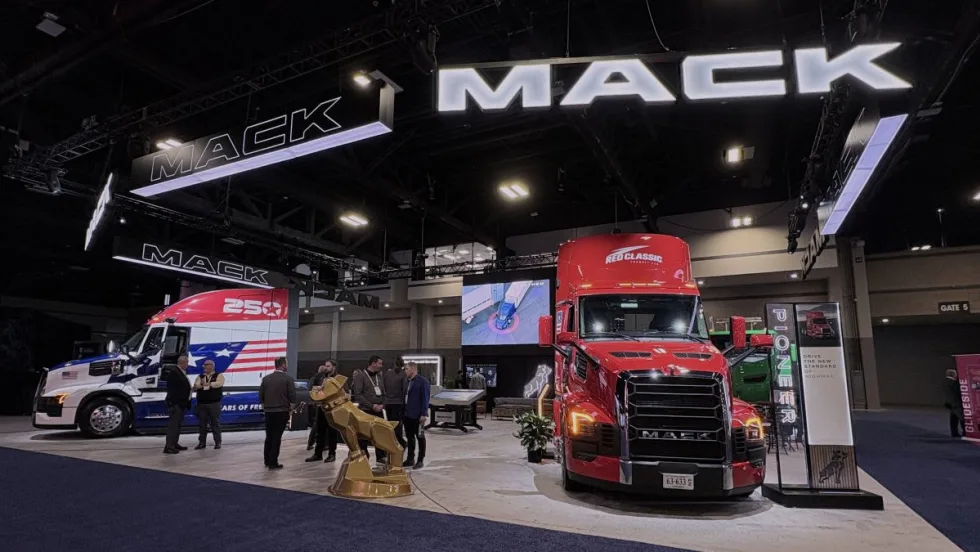
Trucks at ATA's 2026 MC&E in Charlotte, North Carolina [Photos]
From rigs decked out in patriotic America's 250 paint schemes to autonomous trucks and more, check out these photos from ATA's 2026 Management Conference & Exhibition.
Read More →
Help HDT Find Trucking’s Top Products
Have you come across a new product that could make a difference for trucking fleets? Nominate it for HDT’s 2027 Top 20 Products Awards by November 9.
Read More →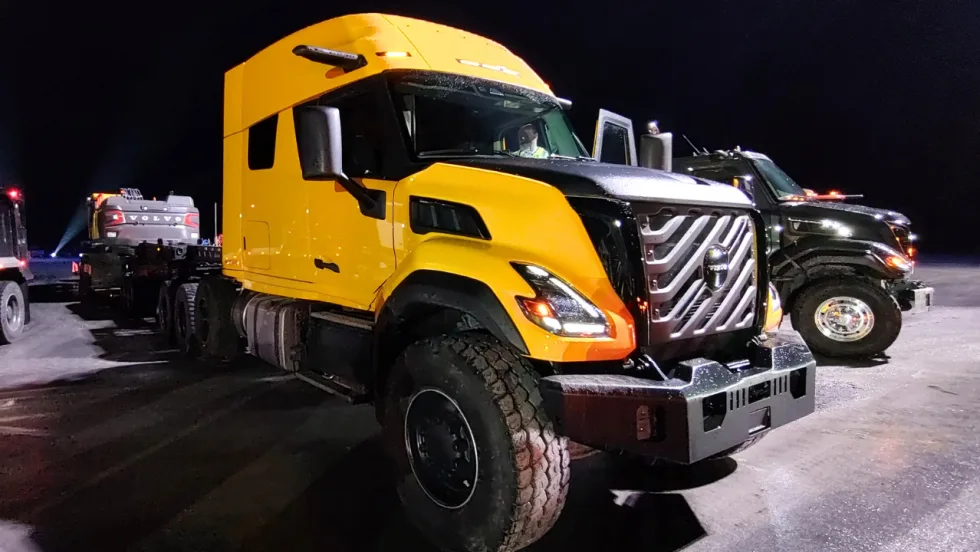
Volvo Unveils New VNX Heavy-Haul and Vocational Truck
Volvo Trucks has launched the VNX, a new vocational truck also available as a tractor in day cab and two sleeper configurations, with one heavy-haul model. The Volvo VNX is powered by Volvo's D13 platform, which delivers up to 540 horsepower and 1,950 pound-feet of torque and is EPA 2027-compliant.
Read More →
How GP Transco Cuts Trucking Fuel Costs, a Tenth of a Gallon at a Time
What’s another tenth of a mile per gallon worth? GP Transco shares how equipment upgrades and driver coaching turn small gains into meaningful fuel savings.
Read More →
Electric Yard Tractors Move Beyond Pilots
Operating-cost savings have overtaken sustainability goals as the leading reason surveyed fleets are adopting battery-electric terminal tractors, according to new NACFE research.
Read More →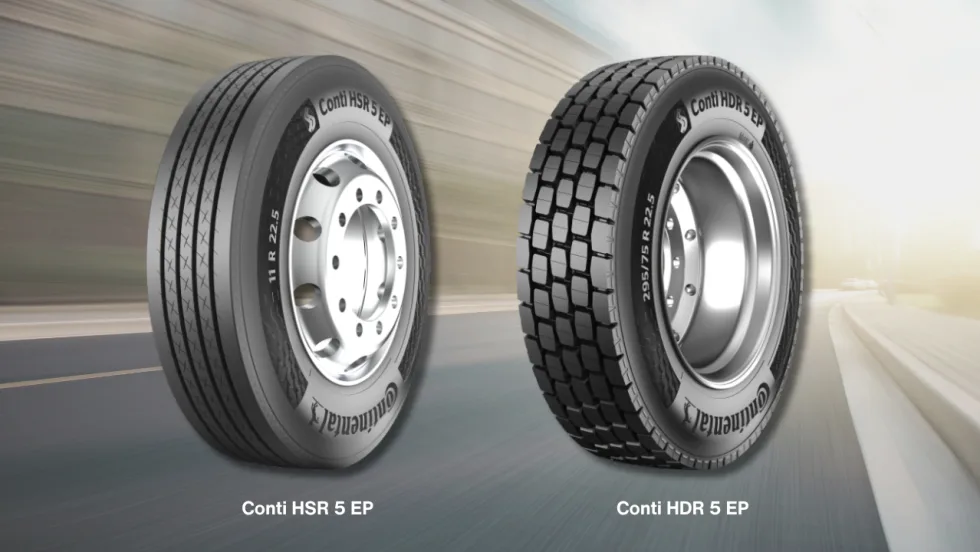
Continental Introduces New Regional Truck Tires
Continental says its new Generation 5 steer and drive tires for regional operations offer longer tread life, with estimated mileage gains of 22% and 19%, respectively.
Read More →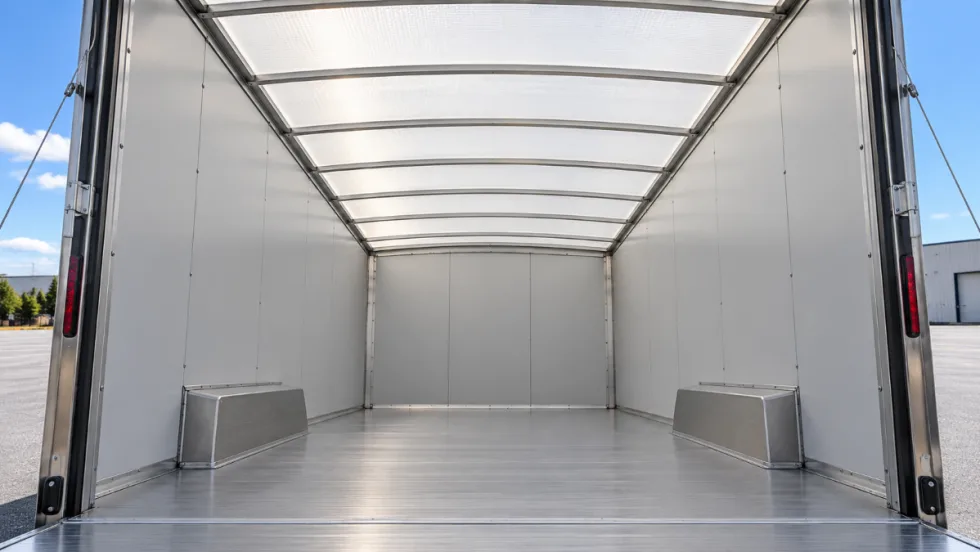
Tekmodo Introduces CargoBright Brand for Translucent Trailer Roofs
CargoBright is designed to diffuse daylight across the cargo area while performing as a working vehicle roof.
Read More →
Fleet Economics Shape Electric Truck Outlook
ACT Research expects costs, charging infrastructure, and technology improvements to drive zero-emission commercial vehicle adoption as federal regulations and incentives retreat.
Read More →
Kodiak Targets Dallas–Houston for Driverless Trucks
The company says its autonomous trucks are completing the I-45 run without a safety observer taking control. It plans to remove the observer by the end of 2026.
Read More →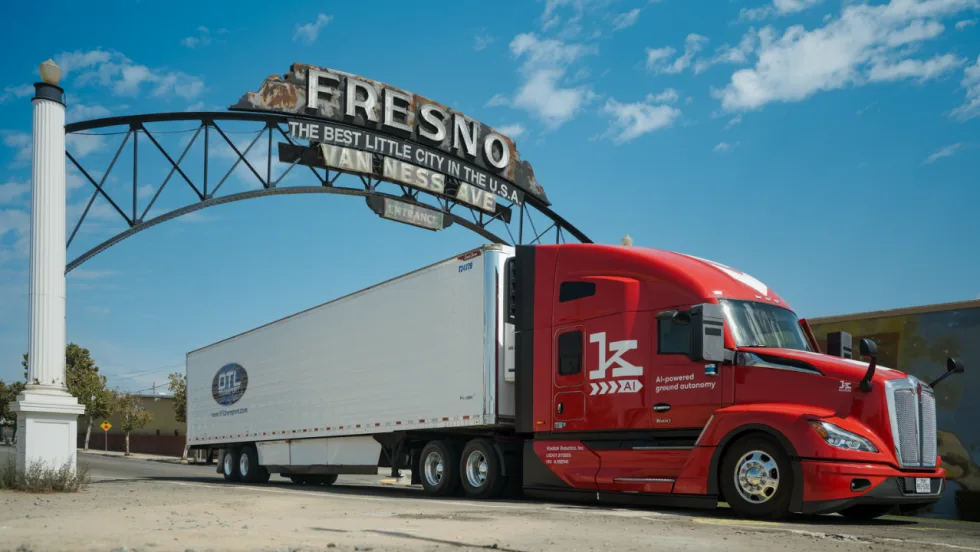
Kodiak Hauls Produce in California Autonomous Truck Pilot
Kodiak AI and DTL Transport have begun hauling produce between Fresno and Los Angeles under California’s new rules for testing heavy-duty autonomous trucks. A safety driver remains behind the wheel.
Read More →