




ATA Files Appeal of LA Port Decision
The American Trucking Associations has filed formal notice that it is appealing last month's ruling declaring the banning of owner-operators at the Port of Los Angeles legal
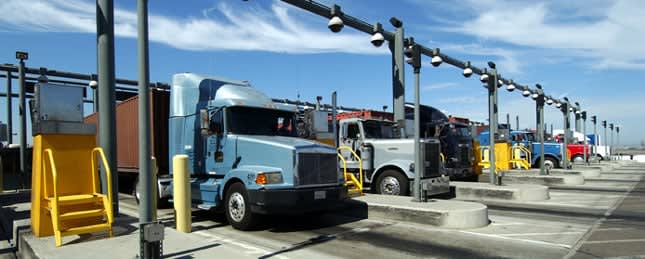
The American Trucking Associations has filed formal notice that it is appealing last month's ruling declaring the banning of owner-operators at the Port of Los Angeles legal.
According to ATA publication Transport Topics, in its notice filed with the San Francisco-based 9th U.S. Circuit Court of Appeals, ATA said its primary ground for appeal will center on Los Angeles U.S. District Court Judge Christina Snyder's "error of law" in ruling that the port could ban independent drayage operators because it was acting as a "market participant" and not as a regulator in implementing its diesel emissions plan.
ATA also said it will likely call for an "expedited" stay by the court to block the port from moving forward with its clean trucks plan if the court agrees to hear the appeal.
As Truckinginfo reported last month, Judge Christina A. Snyder of the U.S. District Court for the Central District of California found that the concession program is legal because the port is a private business and is thus exempt from the law that says only the federal government has the authority to regulate trucking business operations.
The Port of Los Angeles, noting that with the decision put the majority of the port's fleets out of compliance with their concession agreements, said its staff will recommend to the Los Angeles Board of Harbor Commissioners an adjusted schedule for implementation of certain provisions of the concession agreement that were previously enjoined by the federal court.
Port staff will recommend approval of an adjustment for the phased-in schedule dates for Licensed Motor Carrier (LMC) compliance with the employee driver requirement, job referral services requirement and the off-street parking requirement:
* 20% gate moves by employee drivers by December 31, 2011
* 66% gate moves by employee drivers by December 31, 2012
* 100% gate moves by employee drivers by December 31, 2013
As local LA reporter Keith Higginbotham writes on the Long Beach Post's website, "The ruling and the legal basis behind it were greeted with surprise by many in the transportation industry because both Judge Snyder and the Ninth Circuit had previously dismissed the 'market participation' argument."
Higginbotham, who previously was the West Coast editor for the trade magazine American Shipper, wrote that "many members of the industry who followed the case had expected Judge Snyder to uphold certain previously-blocked portions of the truck plan, including an access license scheme that would require truckers to adhere to various port-defined criteria to obtain port access. However, the conventional wisdom was that the judge would also strike down the most contentious of those criteria--a requirement that trucking firms servicing the port only hire per-hour employee drivers."
The port's concession program, and especially this provision, is a matter of deep concern to trucking and shipping interests not just in California but around the country.
The program has by all accounts done a good job of cleaning up truck engine emissions in and around the port, but it includes provisions that restrict trucking operations, including one that would ban owner-operators from providing drayage service and require all drivers to be employees of companies. This alarms carriers and shippers because it would open the door for unionization of port drivers. And the Teamsters union has made no secret of its desire to unionize drayage drivers at LA and other ports around the country.
More Fleet Management

How Telematics Improves Visibility, Control, and Performance in Refrigerated Fleets
Explore how telematics help refrigerated fleets improve visibility, uptime, efficiency, compliance, and cargo protection across connected cold chain operations.
Read More →
What the U.S.-Canada Trade War Means for Trucking
Escalating U.S.-Canada tariffs could disrupt cross-border freight, reduce truck volumes, raise costs, and create new uncertainty for carriers on both sides of the border.
Read More →
What Are Trucking’s Top Concerns for 2026?
The American Transportation Research Institute wants to know what's worrying trucking fleet managers, drivers, and other stakeholders in its annual Industry Issues survey.
Read More →

American Trucking Associations Looks for a New Leader
ATA President and CEO Chris Spear abruptly left his job at the association on August 21, at a pivotal time for the trucking industry.
Read More →
Public Wi-Fi Cybersecurity Risks: How Truck Drivers and Fleets Can Protect Their Data
Public Wi-Fi can expose truck drivers and fleets to credential theft, malware, and other cyber threats. Here’s how to reduce the risk on the road.
Read More →
For Nicky Cupp, Fleet Innovation Starts With Frustration
HDT Truck Fleet Innovator Nicky Cupp turns everyday pain points at Fraley & Schilling into opportunities for better technology and smarter processes.
Read More →
Adam Buttgenbach’s Approach to Electric Trucks: Start With Where They Fit
HDT Truck Fleet Innovator Adam Buttgenbach helped PepsiCo build one of North America’s largest EV fleets by focusing on where electric trucks make operational sense.
Read More →
Deen Albert: Let Automation Do the Math, People Make the Decisions
HDT Truck Fleet Innovator Deen Albert makes sure people are still at the heart of operations at Grand Island Express, even while adopting artificial intelligence tools. AI-assisted dispatch helped boost revenue 25% with the same number of trucks.
Read More →
Trimble’s New AI Agent Takes Aim at Fleet Back-Office Busywork
Arc Agent works across Trimble TMS products to automate repetitive tasks such as freight orders, maintenance, invoices, fuel costs and more.
Read More →
How HDT’s 2026 Truck Fleet Innovators Are Rethinking Fleet Operations
Meet five trucking leaders who are challenging assumptions, solving operational problems, and putting innovative ideas to work.
Read More →