




ATA, CTA Call to on Government to Abandon Proposed Tanker Wetline Regulation
The American Trucking Associations and the Canadian Trucking Alliance called on the U.S. Pipeline and Hazardous Materials Safety Administration to abandon proposed wetline regulations
The American Trucking Associations and the Canadian Trucking Alliance called on the U.S. Pipeline and Hazardous Materials Safety Administration to abandon proposed wetline regulations.
Wetlines are metal tubes that run along the underbelly of tank trucks used to transfer fuel into and out of the tanker. They are known to contain residue amounts of liquids following the loading process. PHMSA has proposed that for tank trailers containing flammable liquids, a limit of one liter of residue per line should be allowed, or the tank trailer should be fitted with bottom damage protection devices.
The rule would cover tank trailers carrying Class 3 flammable liquids, which includes gasoline and other products. Most straight trucks are exempted and existing trailers would have 12 years to come into compliance.
American Trucking Associations told the Pipeline and Hazardous Materials Safety Administration it "strongly opposes" the proposal. In comments filed April 27, ATA said PHMSA should drop its proposal because the costs associated with the rule "far exceed the purported public safety benefits."
"Earlier this year, President Obama called on his regulatory agencies to examine their rules and to eliminate those that don't make sense, this wetlines proposal is a perfect example of one of those rules," ATA President and CEO Bill Graves said.
Similarly, in its official comments to the PHMSA on behalf of Canadian transborder tank truck carriers, the Canadian Trucking Alliance argued that there is no clear-cut rationale for a proposed regulation on wetlines and suggested that the current regulatory proposal should be withdrawn.
In its analysis of the proposed regulation, "Hazardous Materials: Safety Requirements for External Product Piping on Cargo Tanks Transporting Flammable Liquids," CTA concluded that the cost-benefit study accompanying the proposal did not present any clear evidence to justify regulation. CTA noted that a previous attempt to regulate wetlines in 2006 was also withdrawn because it could not be justified on a cost-benefit basis.
In addition to concerns surrounding the cost-benefit analysis, CTA raised questions about the lack of industry experience with proposed wetline purging methods, and with the absence of a discussion in the proposed rule about safety hazards associated with retrofitting tank trailers.
The National Tank Truck Carriers Conference also opposes the proposal, saying it is bogus on economic and safety grounds, NTTC President John Conley said in comments published in Bulk Transporter.
"The retrofit that the regulation would mandate on existing trailers could well kill more cargo tank shop workers than it will ever prevent fatalities of motorists who plow into the side of gasoline tankers." The heat from welding wetlines purging equipment onto the tank could ignite fumes inside the tank, he said.
More Drivers
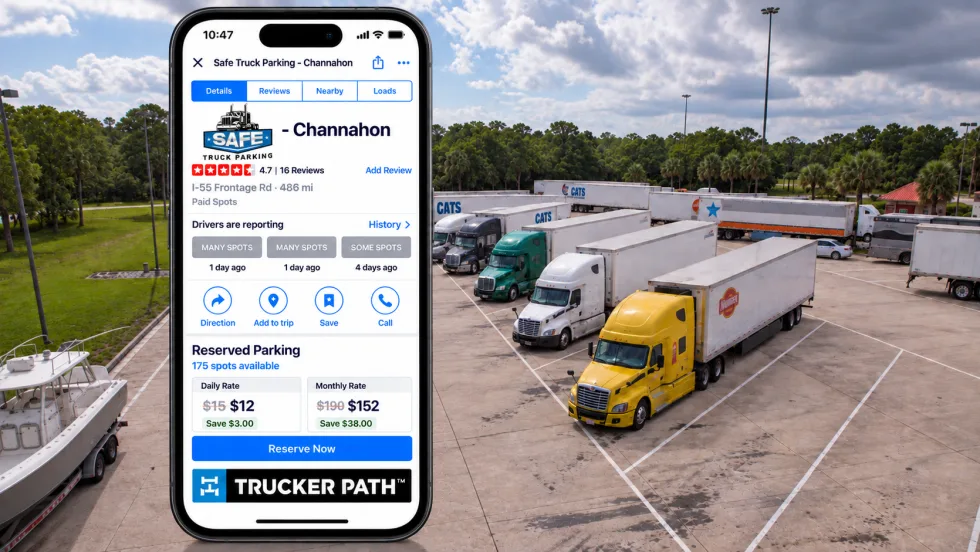
Trucker Path Expands Reserved Parking Network
Trucker Path has added close to 6,000 more truck parking spaces to its Trucker Path Reserved Parking Network with the addition of Safe Truck Parking.
Read More →
EEOC Sues Texas Trucking Company Over Driver Age Limits
The agency says Trancasa USA rejected applicants over 65 and applied tougher driving-record standards to those over 60.
Read More →
Nussbaum, Roehl Announce Second Driver Pay Increase This Year
This year has seen a swath of major truck driver pay increases as freight capacity has tightened.
Read More →
From One Generation to the Next: How Mentorship Builds Safer Truck Drivers
After three decades in trucking, Harold Perry shares what he's learned about driver safety, mentorship, and helping the next generation build confidence behind the wheel.
Read More →
Truck Drivers Need More Than Another Alert
Fleets have more visibility into truck health, safety events, and driver activity than ever. The next challenge is turning all that information into useful guidance for the person who has to decide what to do next.
Read More →
FMCSA Removes 110 Truck Driver Training Schools from Certified ELDT List
Federal regulators also are targeting more than 160 additional training providers and launching a nationwide audit of third-party CDL skills testers as part of a broader crackdown on trucking fraud.
Read More →
Hours of Service Pilot Programs: FMCSA Readies for 2027 Rollout
Two pilot programs could eventually reshape hours-of-service rules, giving truck drivers options to pause their 14-hour clock or use longer split sleeper rest periods.
Read More →
Medical Cards, English Proficiency Reshape Roadcheck Violations
Medical-card violations jumped to the top of the driver out-of-service list during CVSA’s 2026 International Roadcheck, while English-language proficiency violations appeared among the leading violations for the first time.
Read More →
Driver Trust Can Make or Break the Success of Fleet Safety Technology
New Teletrac Navman research suggests that onboarding, transparency about driver data, and positive feedback can play a significant role in how commercial drivers respond to safety and coaching technology.
Read More →
EEOC Sues KLLM Over Alleged Sex Discrimination in Driver Training
KLLM is facing a federal sex-discrimination lawsuit over policies the EEOC alleges put female truck driver trainees at a disadvantage.
Read More →