




April Truck Orders Up Year Over Year
Class 8 truck orders for April are expected to come in between about 23,000 and 23,300, which is higher than last year and marks the fifth month in a row orders have been above 20,000, according to two leading trucking number-crunchers.
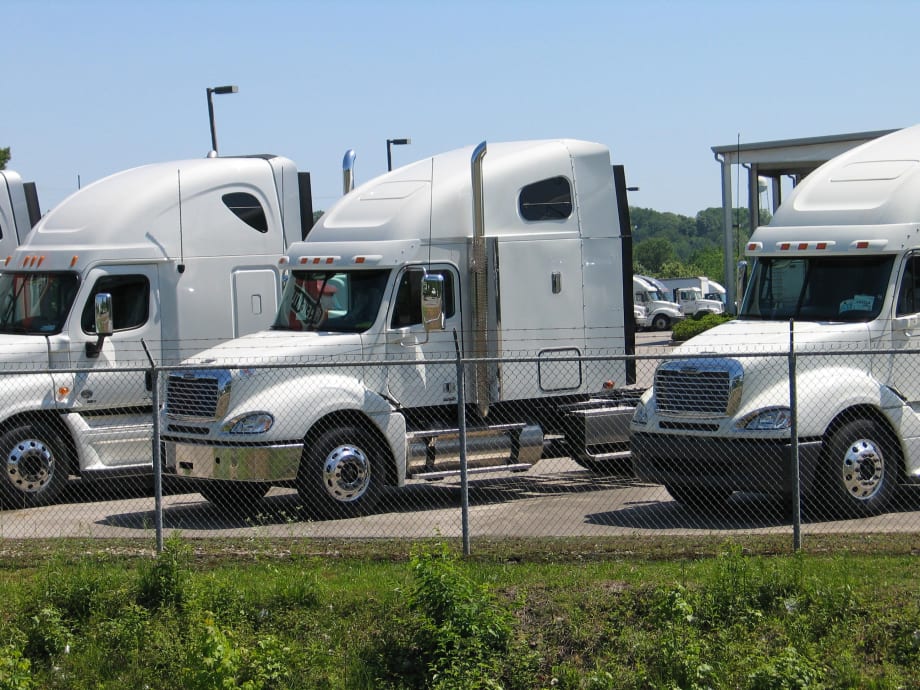

Class 8 truck orders for April are expected to come in between about 23,000 and 23,300, which is higher than last year and marks the fifth month in a row orders have been above 20,000, according to two leading trucking number-crunchers.
FTR Associates' preliminary data shows April Class 8 truck net orders at 23,026, 6% above March numbers. Orders for Class 8 trucks have now been above 20,000 for five consecutive months with April orders 37% improved from a year ago. Even with the one-month dip in March orders, the last three months annualize to 270,400 units, FTR points out.
April’s Class 8 preliminary net orders were up sequentially and year over year. April was the third consecutive month of positive year-over-year comparisons.
"Orders continue to remain at a healthy level, coming in at the high end of our expectations," said Jonathan Starks, FTR’s director of transportation analysis. "This bodes well for a continuation of the modest growth in equipment sales during 2013.
"Despite this, our optimism is tempered by the weakness seen in much of the economic data over the last month and by our discussions with fleets," Starks says. "There is no desire to add equipment in the near-term and merely replacing equipment doesn't create additional equipment demand beyond our current expectations."
ACT Research says North American Class 8 preliminary net orders of 23,300 represent a continuation of the narrow order trend that has been in place since last October. Over those seven months, orders have fallen no lower than 20,100 units and no higher than April’s expected 23,300 units.
In similar fashion, ACT says, Classes 5-7 preliminary net orders of 15,800 are in line with the three-month order trend. "While April’s Classes 5-7 volume was down from year-ago levels, the 3-month order average is running slightly ahead of the year-ago comparison,”said Kenny Vieth, president and senior analyst, ACT Research.
More Equipment
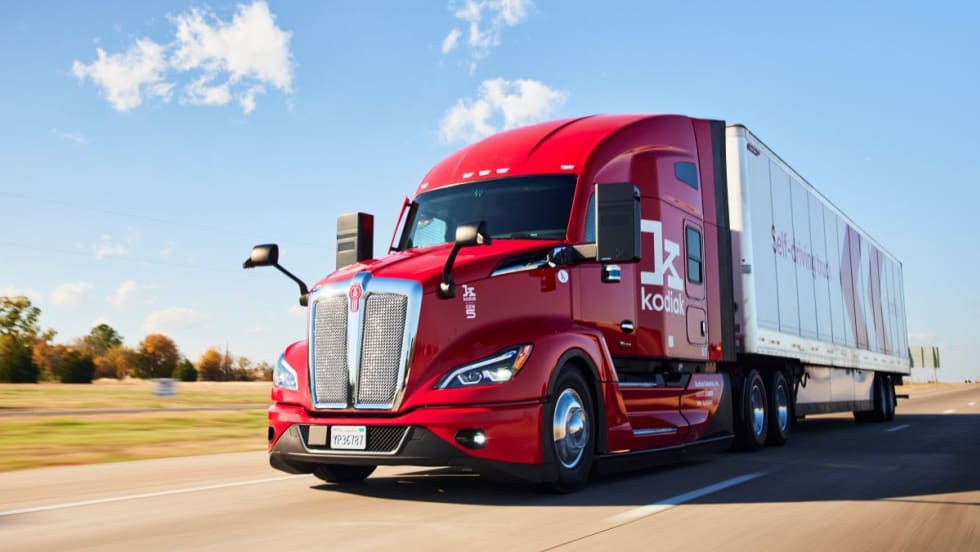
Autonomous Truck Testing Moves Ahead in California as Teamsters Challenge Rules
California has begun permitting heavy-duty autonomous truck testing, with Aurora and Kodiak among the first to receive approval, as the Teamsters sue the DMV over the new regulations.
Read More →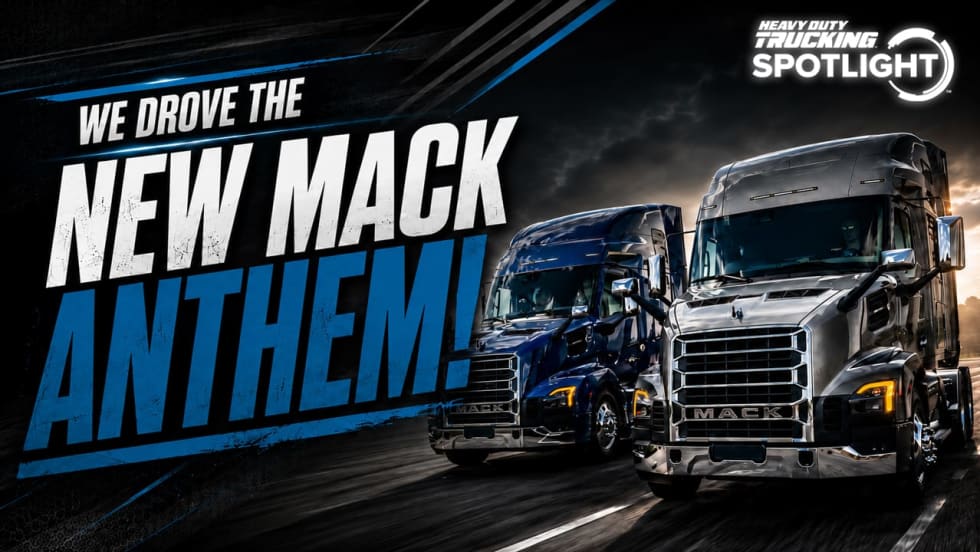
Behind the Wheel of the New Mack Anthem [Video]
HDT takes the new Mack Anthem around Mack’s Pennsylvania test track to see how its driver-focused design, technology, visibility and handling perform from behind the wheel.
Read More →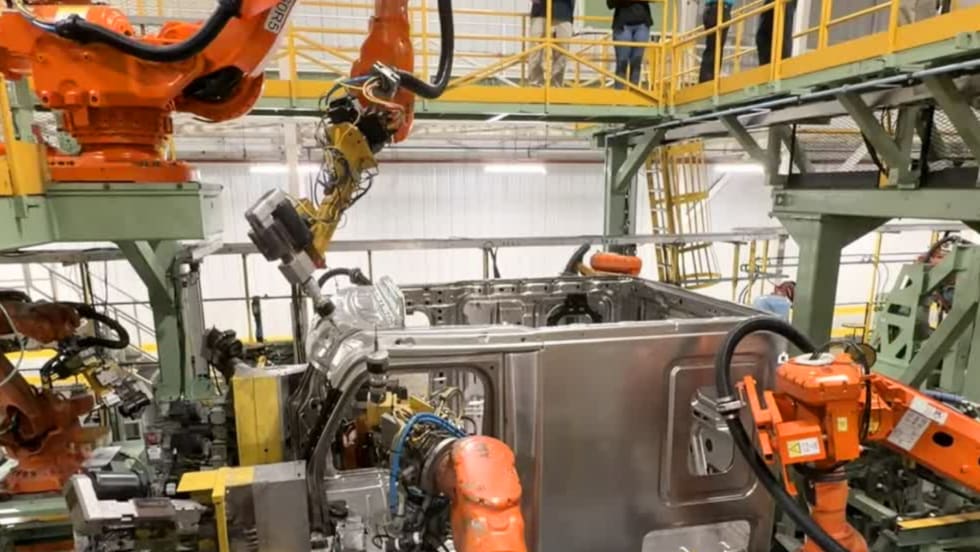
DTNA Plans New U.S. Truck Plant as Manufacturing Footprint Shifts
Daimler Truck North America is evaluating sites for a new assembly plant expected to open in 2029 while winding down operations at its longtime Portland manufacturing facility.
Read More →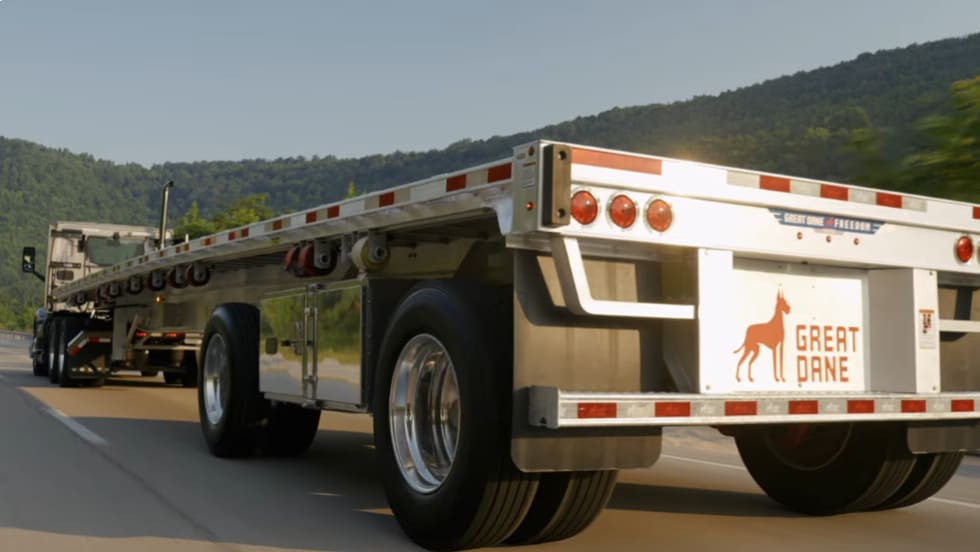
Great Dane Flatbed Trailer Offers Light Weight and Strength
Freedom Ultra is designed for a wide range of open-deck applications, including building materials, lumber, machinery, steel products, industrial freight, and coil hauling.
Read More →
What It's Like Inside this Custom 2025 Peterbilt 589?
Take a driver's-eye tour of this customized 2025 Peterbilt 589 in this video, as longtime driver Ingrid Brown explains its features, compares it to previous models, and shares plenty of personality along the way.
Read More →
Drivers Put Western Star Trucks to the Test at Star Nation Experience
Watch to get an inside look at the Western Star trucks, technology, and community behind the Star Nation Experience 2026!
Read More →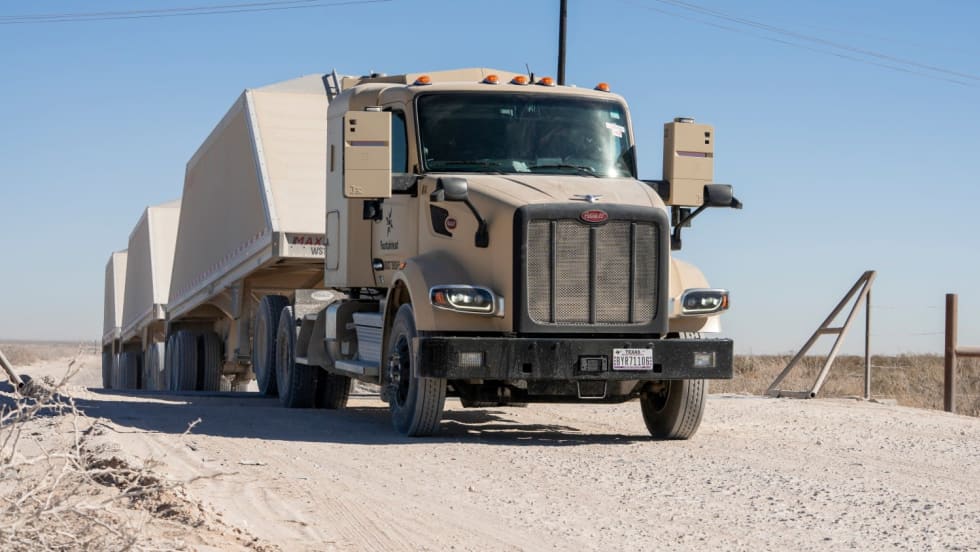
Atlas Expands Kodiak Driverless Truck Fleet in Permian Basin
Atlas Energy Solutions is expanding autonomous frac sand hauling in the Permian Basin with a second load-out location and plans for 100 driverless trucks by mid-2027.
Read More →
Putting Mack’s Command Steer to the Test
A test drive of Mack’s Command Steer active steering system evaluates how it can make truck driving easier and less tiring.
Read More →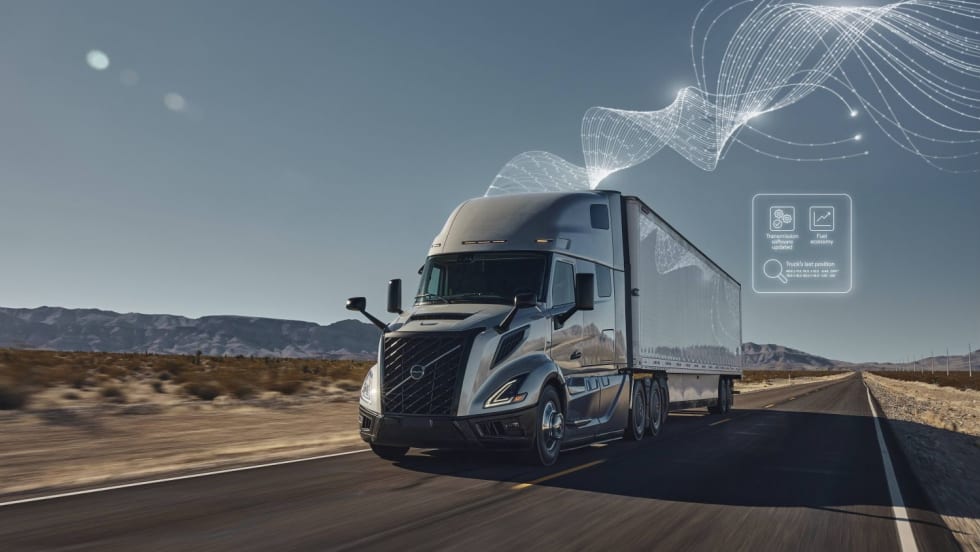
Mack, Volvo Expand DEF Derate Software Updates
The updated software gives Mack and Volvo truck owners more time to address DEF-related issues before the engine derates or the vehicle goes into reduced-speed inducement, following new EPA guidance.
Read More →
Rush, MCT Team Up to Grow Refrigeration Service Network
The joint venture will operate MCT's network of Carrier Transicold dealerships and mobile service locations, with the companies promising greater service capacity and uptime for refrigerated fleets.
Read More →