




More of the nation’s publicly held trucking companies released fourth quarter and year-end financial news yesterday, and the news was disappointing.
OTR Express reported that a slower economy, fewer seated trucks, higher fuel costs and lower used truck values will cause the company to report a net loss for the fourth quarter of 2000 and first quarter of 2001. Following its normal practice, OTR plans to report fourth-quarter results in February, after completion of its annual audit.
"We have taken an aggressive approach to cost cutting, and we intensified that effort in the past sixty days," said William P. Ward, chairman, president and CEO. "One relatively bright spot during December was a slight drop in the cost of fuel."
OTR expects to report full-year 2000 revenues of about $78.3 million, a decrease of 2.7% from 1999. The declines resulted primarily from the smaller number of trucks in service as part of a planned fleet reduction to reduce debt.
USA Truck Inc. announced operating revenues of $57.56 million for the quarter ended Dec. 31, up 11.5 percent from the same quarter of 1999. The net loss of $1.2 million for the fourth quarter compares to a net profit of $2.19 million for the fourth quarter of 1999.
For the year, operating revenues increased 36.2 percent to a record $226.59 million. Net income decreased 98.9 percent to $94,061 for the year, compared to $8.6 million for 1999. The company blamed escalating fuel costs, driver turnover and the increased cost of insurance and claims.
To combat the high driver turnover in the first nine months, USA Truck instituted a 16 percent driver pay increase in October. The large number of students and inexperienced over-the-road drivers hired during the prior few quarters increased the number and severity of accidents, which resulted in USA Truck reporting its highest ever rate of insurance cost -- nearly double that of the same quarter a year ago. However, the company says it is already seeing positive effects from the driver pay increase on the number and severity of claims.
Covenant Transport announced for the fourth quarter, revenue increased 2 percent to $144.9 million from the fourth quarter of 1999. Net income decreased 40 percent to $3.9 million from $6.4 million in the 1999 period. Earnings per share declined 35 percent for the fourth quarter of 1999. For the year, revenue increased 17 percent to $552.4 million from $472.7 million during 1999. Net income decreased 47% to $11.9 million from $22.3 million in 1999.
"The principal issue facing Covenant throughout the year has been a soft freight market," said Chairman, President, and CEO David R. Parker. "In late 1999 and early 2000, Covenant completed two significant acquisitions and with planned growth increased our tractor capacity by approximately 800 tractors, or about 30 percent, during a five-month time span. For most of that time we experienced fairly strong freight demand. Following the acquisitions, we expected an approximate 5 percent reduction in tractor utilization because of a change in the mix of team-driver and solo driver tractors. Early in 2000, however, we experienced a significant softening in freight demand, due primarily to the slowing economy. For the year, Covenant's tractor utilization was down 11 percent versus the 5 percent reduction we expected." High fuel costs also affected results, he said.
"Looking forward in 2001, we expect operating conditions for the industry to remain very difficult during at least the first half of the year," said Parker. "The freight market remains soft, fuel prices remain high, the market for used equipment remains depressed, and insurance costs are rising. According to various reports, this combination of factors is forcing many of our less financially stable competitors out of business."
Another Wave Of Fleet Financials Looks Disappointing
More of the nation’s publicly held trucking companies released fourth quarter and year-end financial news yesterday, and the news was disappointing
More Drivers

Best Fleets to Drive For: Two Carriers Earn Overall Award for First Time
CarriersEdge announced the 2026 Best Fleets to Drive For overall winners, with Crawford Trucking, Fortigo Freight Services, and FTC Transportation receiving top awards.
Read More →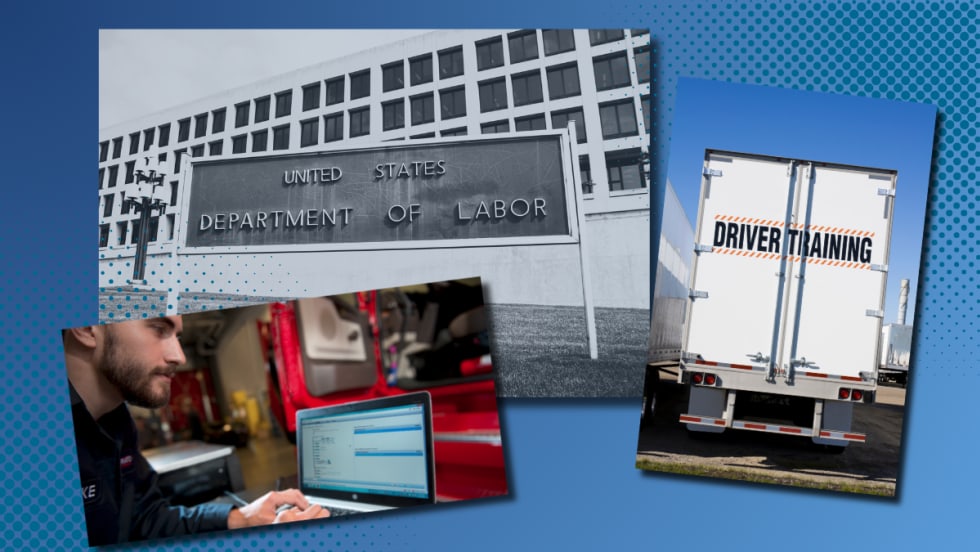
Federal Proposal Would Allow Pell Grants for Shorter-Term Job Training
The Department of Labor plans to expand Pell Grant eligibility to some shorter workforce training programs, a move the American Trucking Associations said will help strengthen commercial driver training schools and diesel technician training programs.
Read More →
Owner-Operator Model Gets Boost as DOL Proposes 2024 Independent Contractor Definition Reversal
For an industry that has watched this issue go back and forth for years, the independent contractor proposal marks the latest swing in the regulatory pendulum.
Read More →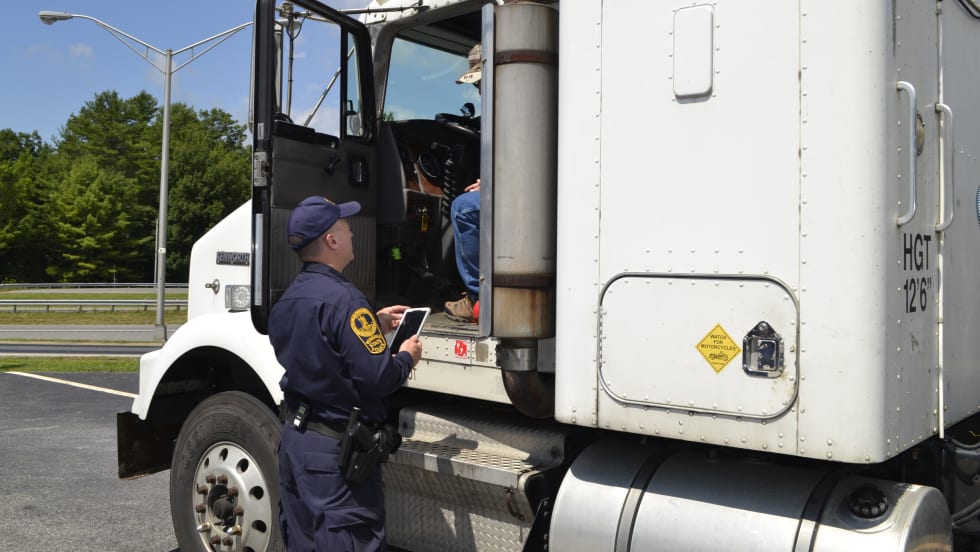
FMCSA Reinstates Field Warrior ELD to Registered Device List
One electronic logging device has been reinstated to the FMCSA's list of registered ELDs.
Read More →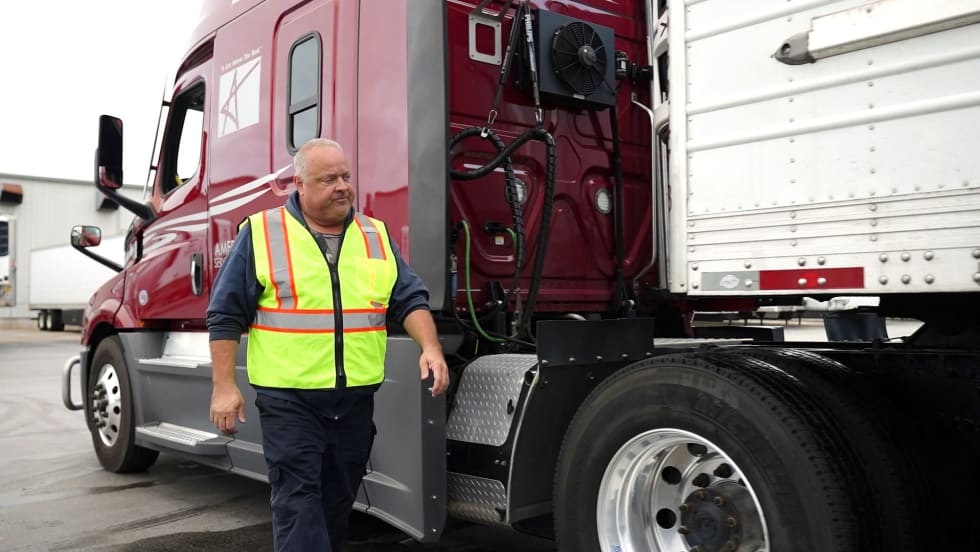
How One Company is Using Smart Suspension Technology to Reduce Driver Injuries and Improve Retention
America’s Service Line adopted Link’s SmartValve and ROI Cabmate systems to address whole-body vibration, repetitive strain, and driver turnover. The trucking fleet is already seeing measurable results.
Read More →
CarriersEdge Announces 2026 Best Fleets to Drive For
The 18th annual contest recognizing the best workplaces for truck drivers sees changes to Top 20, Hall of Fame
Read More →
FMCSA Targets 550+ ‘Sham’ CDL Schools in Nationwide Sting Operation
The Federal Motor Carrier Safety Administration issued more than 550 notices of proposed removal to commercial driver training providers following a five-day nationwide enforcement sweep. Investigators cited unqualified instructors, improper training vehicles, and failure to meet federal and state requirements.
Read More →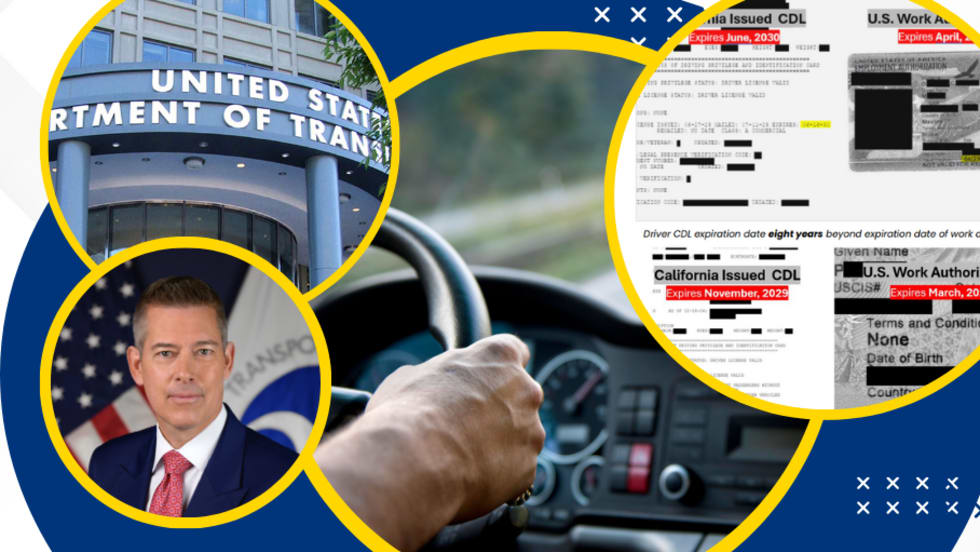
DOT Alleges Illinois Issued Illegal Non-Domiciled CDLs
Illinois is the latest state targeted and threatened with the loss of highway funding by the U.S. Department of Transportation in its review of states' non-domiciled CDL issuance procedures. The state is pushing back.
Read More →FMCSA Locks in Non-Domiciled CDL Restrictions
After a legal pause last fall, FMCSA has finalized its rule limiting non-domiciled commercial driver's licenses. The agency says the change closes a safety gap, and its revised economic analysis suggests workforce effects will be more gradual than first thought.
Read More →
Trucker Path Names Top Truck Stops for 2026
Truck driver ratings reveal the best chain and independent truck stops in the country.
Read More →