




Analyst Questions Filing Charges Against FedEx Over Drug Shipments
Why is the government filing charges against parcel delivery and trucking giant FedEx? That is the key question said the investment firm Stifel in a note to investors following FedEx disclosing last week it had been indicted by the federal government for allegedly engaging in unlawful distribution of controlled substances.
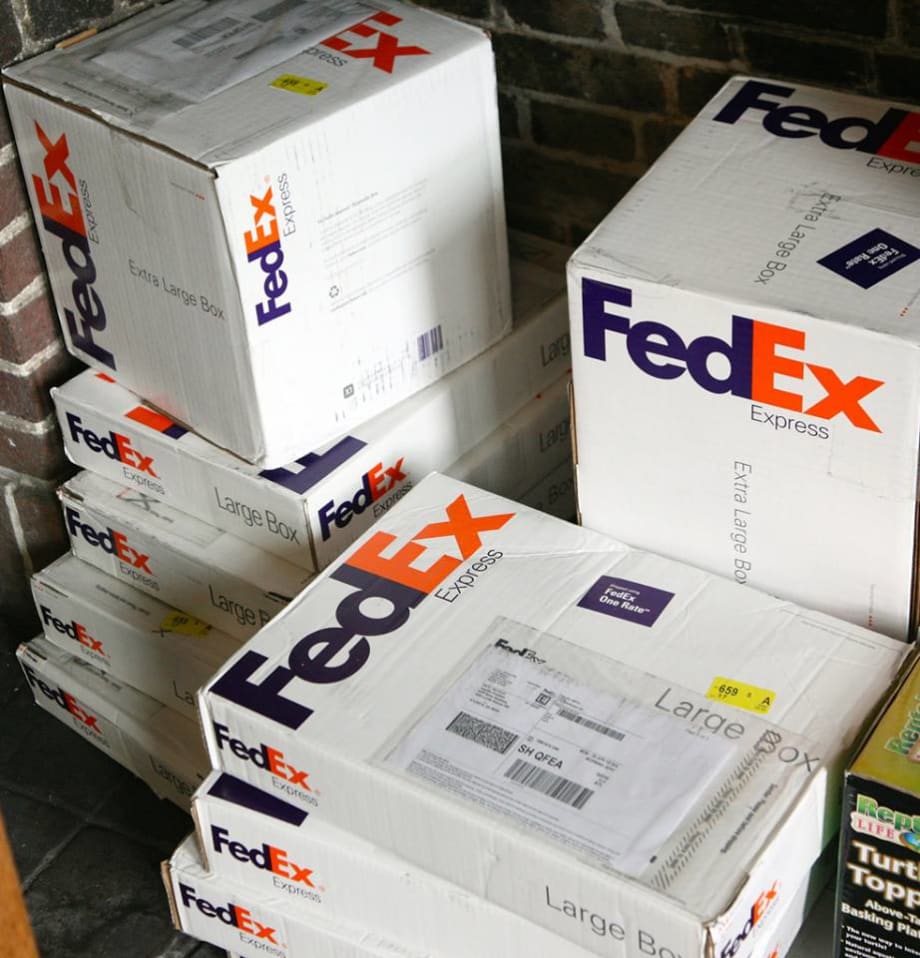
Photo via FedEx Facebook page
Photo via FedEx Facebook page
Why is the government filing charges against parcel delivery and trucking giant FedEx?
That is the key question said the investment firm Stifel in a note to investors following FedEx disclosing last week it had been indicted by the federal government for allegedly engaging in unlawful distribution of controlled substances.
The U.S. Justice Department filed the charges, following a multiyear investigation by the Drug Enforcement Administration and the Food and Drug Administration, accusing FedEx of knowingly and intentionally delivering drugs to dealers or addicts and for delivering unregistered or unprescribed pharmaceuticals for affiliates of pharmacies, doctors, and owners convicted of illegal distribution of drugs.
The company reportedly asked DEA officials to furnish a list of banned shippers, which the agency did not produce.
“Under Title 21 U.S. Code, Controlled Substances Act, the operative words are ‘knowing’ and ‘intentional’, and we believe FedEx lacked the appropriate scienter [a legal term that refers to intent or knowledge of wrongdoing] under this standard of liability, said Stifel Transportation & Logistics Research Group Managing Director David G. Ross.
He said UPS settled a similar case last year for $40 million, and “while any similar liability amount at FedEx should be dismissed by investors as one-time in nature, the precedent effect for compliance and inspection to curtail small-time users, in our view, could add meaningful costs and delays to an already-overburdened U.S. transportation network.”
FedEx said it innocent of the charges and will plead not guilty.
“We want to be clear what’s at stake here: the government is suggesting that FedEx assume criminal responsibility for the legality of the contents of the millions of packages that we pick up and deliver every day,” FedEx said in a statement. “We are a transportation company. We are not law enforcement. We have no interest in violating the privacy of our customers. We continue to stand ready and willing to support and assist law enforcement. We cannot, however, do the job of law enforcement ourselves.”
The DOJ indictment alleges that FedEx knowingly and intentionally engaged in illegal distribution, as evidenced by reports of delivery requests to vacant lots or jumping onboard FedEx trucks and demanding medication,” said Ross. “In our view, these incidents are not a prima facie evidence of illegal drug shipments”
He pointed out “the company's response of holding addressed packages for pickup does not seem unreasonable to us as a means of protecting customer privacy and driver safety and is often carried out with undeliverable or sensitive goods. It also does not suggest, that FedEx knowingly or unreasonably turned a blind eye to unlawful shipments. Especially where packages containing regulated substances are unlabeled or improperly labeled, requiring broad-based inspection is not only detrimental to customer privacy but could also degrade service levels and increase costs.”
According to Ross it is impossible to know the potential impact of liability or legal settlement, but Stifel believes it likely to be relatively immaterial.
“The more significant potential impact, in our opinion, is a higher regulatory/compliance burden on transportation providers,” he said. “Without sharper regulatory guidelines, imputing liability for failing to generally determine the contents of a package could be a slippery slope.”
More Fleet Management

Color Match Smarter: Tools That Restore & Perform
For fleet managers and collision repair professionals keeping heavy-duty trucks on the road, getting the color right the first time isn't just about appearance — it's about efficiency, turnaround time, and bottom-line results. Discover how today's digital color tools are transforming the repair process from guesswork to precision.
Read More →
FMCSA Pauses Biennial-Update Enforcement Amid Motus Transition
Carriers whose updates were due on or after June 1 have more time, while FMCSA works to stabilize its new registration system and warns of phishing sites impersonating its new carrier registration system, Motus.
Read More →
2026 Blueprint for Countering Smarter Supply Chain Theft
Cargo theft is no longer just the cost of doing business. It's a multi-billion-dollar criminal enterprise exploiting vulnerabilities across your fleet, drivers, and supply chain.
Read More →


How Telematics Improves Visibility, Control, and Performance in Refrigerated Fleets
Explore how telematics help refrigerated fleets improve visibility, uptime, efficiency, compliance, and cargo protection across connected cold chain operations.
Read More →
What the U.S.-Canada Trade War Means for Trucking
Escalating U.S.-Canada tariffs could disrupt cross-border freight, reduce truck volumes, raise costs, and create new uncertainty for carriers on both sides of the border.
Read More →
What Are Trucking’s Top Concerns for 2026?
The American Transportation Research Institute wants to know what's worrying trucking fleet managers, drivers, and other stakeholders in its annual Industry Issues survey.
Read More →
American Trucking Associations Looks for a New Leader
ATA President and CEO Chris Spear abruptly left his job at the association on August 21, at a pivotal time for the trucking industry.
Read More →
Public Wi-Fi Cybersecurity Risks: How Truck Drivers and Fleets Can Protect Their Data
Public Wi-Fi can expose truck drivers and fleets to credential theft, malware, and other cyber threats. Here’s how to reduce the risk on the road.
Read More →
For Nicky Cupp, Fleet Innovation Starts With Frustration
HDT Truck Fleet Innovator Nicky Cupp turns everyday pain points at Fraley & Schilling into opportunities for better technology and smarter processes.
Read More →
Adam Buttgenbach’s Approach to Electric Trucks: Start With Where They Fit
HDT Truck Fleet Innovator Adam Buttgenbach helped PepsiCo build one of North America’s largest EV fleets by focusing on where electric trucks make operational sense.
Read More →