




AAA Report Underscores Benefits of High-Tech Truck Safety Advances
The AAA Foundation for Traffic Safety is recommending that all large trucks— both new and existing ones— be equipped with what it considers to be “cost-effective technologies that improve safety for everyone on the road.”

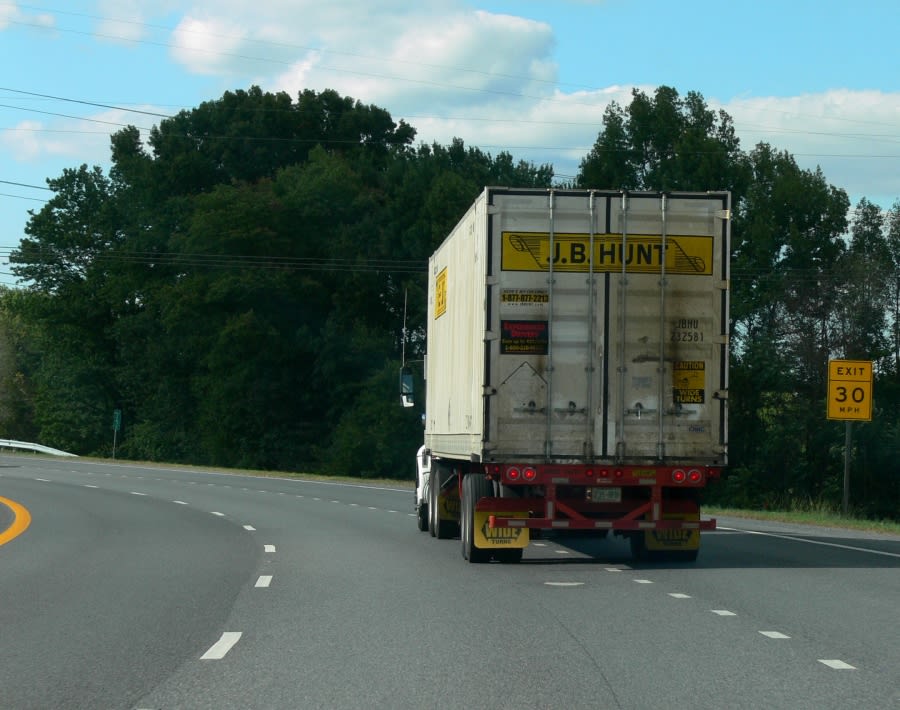
Photo: AAA Foundation for Traffic Safety
Photo: AAA Foundation for Traffic Safety
The AAA Foundation for Traffic Safety is recommending that all large trucks— both new and existing ones— be equipped with what it considers to be “cost-effective technologies that improve safety for everyone on the road.”
Each of the safety technologies endorsed by the foundation is familiar to many in trucking and has already been embraced by numerous, especially brand-name, fleet operations.
“There’s no question that truck safety technology saves lives,” said Dr. David Yang, executive director of the AAA Foundation for Traffic Safety on Sept. 21. He said the foundation’s new research shows that “the benefits of adding many of these technologies to trucks clearly outweigh the cost.”
The report, Leveraging Large Truck Technology and Engineering to Realize Safety Gains, examined the safety benefits and costs of installing these four advanced safety technologies in both existing and new large trucks:
Lane-departure warning systems
Automatic emergency braking
Air disc brakes
Video-based onboard safety monitoring systems
According to the foundation, the research also revealed that:
The societal safety benefits (i.e., economic value of lives saved, injuries prevented, etc.) of equipping all new and existing large trucks with lane-departure warning and video-based onboard safety monitoring systems far outweigh the costs. Specifically, it was determined that lane-departure warning systems can prevent up to 6,372 crashes, 1,342 injuries and 115 deaths each year. Video-based onboard safety monitoring systems can prevent as many as 63,000 crashes, 17,733 injuries and 293 deaths each year.
The societal safety benefits of equipping all new trucks with automatic braking or air disc brakes could outweigh costs. It was shown that automatic emergency braking can prevent up to 5,294 crashes, 2,753 injuries and 55 deaths each year and that air disc brakes can prevent up to 2,411 crashes, 1,447 injuries and 37 deaths each year.
In addition, a AAA survey conducted in parallel with the AAA Foundation’s research found that six out of ten (61%) U.S. adults feel less safe driving past large commercial trucks than driving past passenger cars.
The top three reasons given were: Trucks’ large size and length (28%); trucks have greater blind spots/less visibility (18%), and trucks can drift or swerve out of their lane (14%). And about one in four (26%) surveyed say that adding safety technology to large trucks would help them “feel better” about sharing the road.
“It’s understandable that many motorists are fearful and feel vulnerable when traveling near large trucks,” said Jake Nelson, AAA director of Traffic Safety Advocacy and Research. “Adding these safety technologies to the trucking fleet is not only cost effective, but doing so helps to alleviate driver concerns and prevents crashes. In the long run, it’s a win-win for industry and drivers nationwide.”
Noting that it “works closely with the trucking industry, government agencies and safety organizations to help keep all drivers safe behind the wheel,” AAA allowed that “many large commercial fleets have begun equipping trucks with these advanced safety technologies. AAA urges others to consider investing in cost effective technologies that can help save lives.”
Established in 1947 by AAA, the AAA Foundation for Traffic Safety is a publicly funded nonprofit charitable research and educational organization.
More Drivers

FDA Eases Path for Oral-Fluid Testing
Federal actions could advance oral-fluid drug testing for truck drivers, but lab certification delays and marijuana rescheduling questions remain.
Read More →
Why Hiring Truck Drivers Is Getting Harder
Higher recruiting costs, a shrinking driver pool, and renewed pay competition are raising the stakes for fleets heading into 2027.
Read More →
Roehl Offers Truck Drivers $10,000 Retention Incentive
Payments begin after the first load and continue in mileage-based installments for eligible experienced drivers joining the fleet.
Read More →
Platform Science Adds Dispatch and Safety Tools
Four additions to PS Fleet help fleets monitor loads, manage driver coaching, share truck locations and adjust video system settings.
Read More →
When Language Stops the Truck: The Return of ELP Out-of-Service Orders
English language proficiency rules for commercial drivers aren’t new, but renewed out-of-service enforcement has raised the stakes. Here’s what carriers need to know before a driver reaches a roadside inspection.
Read More →
Samsara Launches Custom AI Agent Builder
Agent Studio lets fleets create AI tools for hours-of-service monitoring, reporting and driver support, including agents that communicate by phone.
Read More →
Trucker Path Expands Reserved Parking Network
Trucker Path has added close to 6,000 more truck parking spaces to its Trucker Path Reserved Parking Network with the addition of Safe Truck Parking.
Read More →
EEOC Sues Texas Trucking Company Over Driver Age Limits
The agency says Trancasa USA rejected applicants over 65 and applied tougher driving-record standards to those over 60.
Read More →
Nussbaum, Roehl Announce Second Driver Pay Increase This Year
This year has seen a swath of major truck driver pay increases as freight capacity has tightened.
Read More →
From One Generation to the Next: How Mentorship Builds Safer Truck Drivers
After three decades in trucking, Harold Perry shares what he's learned about driver safety, mentorship, and helping the next generation build confidence behind the wheel.
Read More →