Demand for same-day and next-day delivery accelerated during the pandemic and is expected to remain strong, creating opportunities and challenges for fleets that want to take advantage of this growth.
Last-mile fleets serviced 21% more stops in 2020 than in 2019, according to Omnitracs. The fourth quarter of 2020 saw soaring revenue for last-mile giants such as UPS and XPO logistics. The last-mile delivery market in North America is expected to reach nearly $45 billion by 2024, a compound annual growth rate of over 14%, according to market research company Technavio.
But that growth doesn’t come without challenges – challenges that pushed many shippers and third-party logistics providers to form new strategic partnerships, according to a new white paper from the Customized Logistics & Delivery Association and the Transport Intermediaries Association. The changes spell opportunities for last-mile fleets to work with shippers and 3PLs to successfully expand their businesses.
“The Age of Amazon: Why 3PLs & Last-Mile Delivery Fleets Must Draw Closer” points to three areas where these shippers, 3PLs and fleets have worked together to meet the increasing demands of consumers and likely will continue to do so:
1. Booming e-commerce demand
With people spending more time at home during the pandemic, online sales increased by 44% in 2020 to reach 21% of total retail sales. And more and more of those customers want their goods delivered faster than ever.
Amazon currently delivers to 72% of all Prime customers within 24 hours, notes the white paper, and its market dominance created the “Amazon Effect” for delivery expectations in all supply chains and freight types, from truckload to LTL and single delivery items.
In 2018, Amazon launched its Delivery Service Partner (DSP) program, allowing it to connect with local delivery companies on a massive scale to compete directly with UPS and FedEx. Amazon grew the DSP program by offering startup business opportunities, with significant discounts, to individuals for delivery van leases, insurance, mobile devices, uniforms and sophisticated delivery technology. The DSP program today has more than 1,300 delivery firms and 20,000 delivery vans across five countries that distribute goods from more than 390 warehouses.
However, the white paper notes, Amazon’s DSP program “has not been meeting the needs of many short-haul fleets who continue to find better opportunities elsewhere. Many DSPs built their business around Amazon only to be dismayed by the ease with which Amazon cuts contracts.”
Some DSPs have scaled down the amount of Amazon business and are working with 3PLs to grow their businesses.
Same-day delivery of food, beverage and grocery items are also a growing area of opportunity for non-parcel freight.
2. Bigger, heavier, and B2B
Freight opportunities abound for pallet-sized LTL freight and heavier items that have unique service requirements such as after-hour deliveries to business and residential customers, according to the white paper.
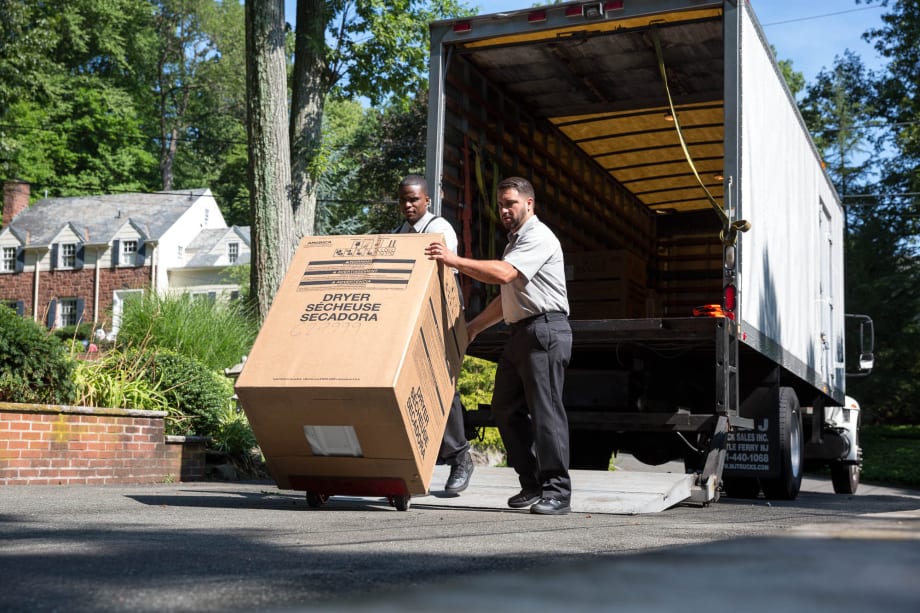
Delivery of heavy goods purchased through e-commerce channels is an area of opportunity the whitepaper cites for fleets that can meet specialized delivery requirements such as setup and reverse logistics for items such as medical devices, exercise, and home office equipment.
No wonder investment in asset and non-asset transportation and logistics providers in the last-mile has been soaring for delivery companies that specialize in heavy- and service-sensitive freight that does not fit the delivery models of UPS, FedEx and USPS, according to the white paper.
Motor carriers and 3PLs are also chasing opportunities to offer blended warehousing and delivery services that smooth order fulfillment for customers that experienced supply chain disruptions from COVID-19.
3. Offering what the others can’t
Last-mile fleets that operate facilities near large urban centers are seeing demand increase from shippers, 3PLs, and motor carriers. These customers are dropping off large-volume truckload and LTL shipments at their docks. Last-mile carriers separate volume loads into smaller shipments and make urban deliveries on repeat schedules, such as distributing shipments to retail stores.
Another opportunity that became evident during the pandemic was in medical. Laboratory tests for blood and tissue samples are conducted 13 billion times a year in the United States and have time-sensitive and specialized handling and delivery requirements.
Last-mile fleets realize that competing directly with UPS, FedEx and Amazon for density and economies of scale is not possible, according to the white paper, so they may target customers with on-demand freight that needs higher service requirements and custom delivery experiences. Many have outgrown the old “courier” label by offering expanded services such as warehousing, distribution, brokerage, and expedited air forwarding.