




Covenant, Affiliate to Pay $700k in Discrimination Settlement
Covenant Transport and a wholly owned subsidiary have agreed to a settlement with the Department of Justice, which said the companies discriminated against non-U.S. citizens by demanding specific documents to prove their permission to work.


Two transportation companies will pay $700,000 in civil penalties related to a Department of Justice settlement that alleges they discriminated against non-U.S. citizen workers.
Photo: DOJ
Covernant Transport and an affiliate company, both headquartered in Chattanooga, Tennessee, will pay a $700,000 settlement in connection with the Department of Justice’s determination they discriminated against non-U.S. citizen workers when checking their permission to work in the United States.
According to a DOJ news release, the practices of Covenant Transport Inc. as well as the affiliated entity Transport Management Services LLC violated the anti-discrimination provision of the Immigration and Nationality Act.
Under the terms of the agreement, Covenant and Transport will pay $700,000 in civil penalties to the United States, train their employees on the INA’s anti-discrimination requirements, revise their employment policies, and be subject to monitoring by DOJ.
According to published reports, Covenant disagreed with the department's findings but wanted to avoid costly litigation.
The DOJ investigation found that from January 2020 through at least August 2022, Covenant and Transport routinely discriminated against non-U.S. citizens by requiring lawful permanent residents to show their Permanent Resident Cards (known as green cards) and by requiring other non-U.S. citizens to show documents related to their immigration status.
Federal law allows all workers to choose which valid, legally acceptable documentation to present to demonstrate their identity and permission to work, regardless of citizenship status, immigration status, or national origin.
The INA’s anti-discrimination provision prohibits employers from requiring specific or unnecessary documents because of a worker’s citizenship status, immigration status, or national origin.
DOJ said many non-U.S. citizens, including lawful permanent residents, are eligible for several of the same types of documents, such as a state ID, driver’s license, or unrestricted Social Security card, to prove their permission to work as U.S. citizens.
Employers must allow workers to present whatever acceptable documentation the workers choose and cannot reject valid documentation that reasonably appears to be genuine and to relate to the worker, according to the DOJ.
“Employers cannot discriminate against non-U.S. citizens by demanding specific or unnecessary documents from them to prove their permission to work,” said Assistant Attorney General Kristen Clarke of the Justice Department’s Civil Rights Division in a statement “The Justice Department is committed to ensuring compliance with our federal civil rights laws so that non-U.S. citizens with permission to work can contribute their talents to our workforce.”
More Fleet Management
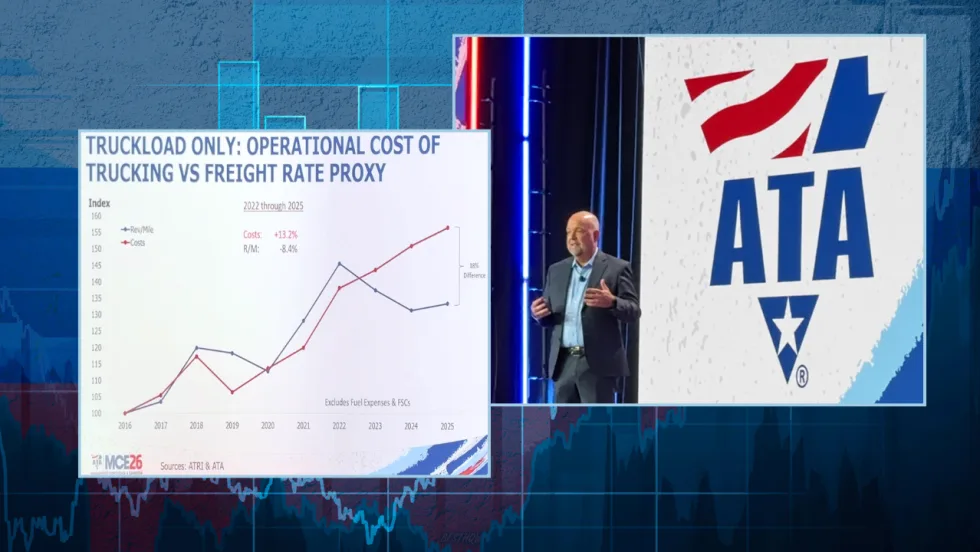
Why This Trucking Recovery Is Different
Freight demand remains sluggish, but rising costs and tougher enforcement have taken enough capacity out of the market to change the outlook for motor carriers.
Read More →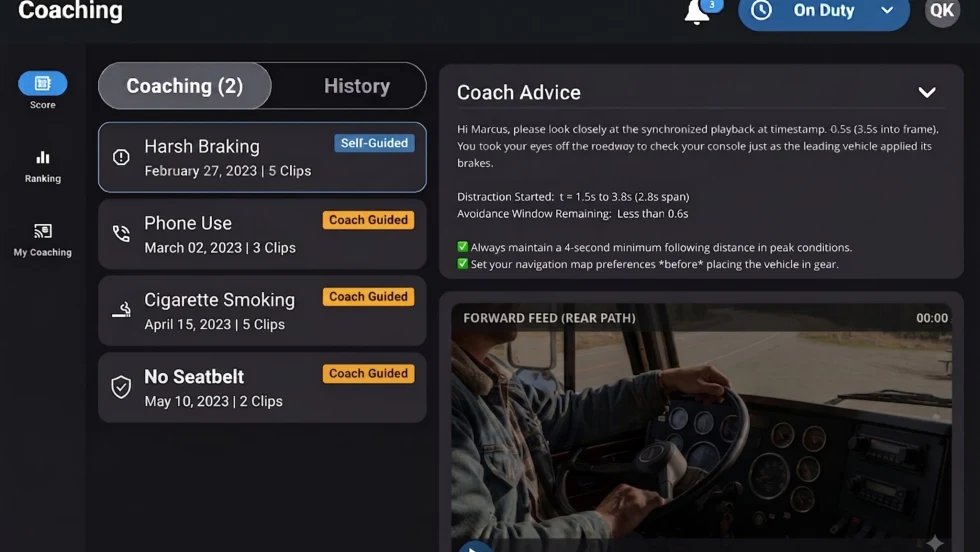
Platform Science Adds Dispatch and Safety Tools
Four additions to PS Fleet help fleets monitor loads, manage driver coaching, share truck locations and adjust video system settings.
Read More →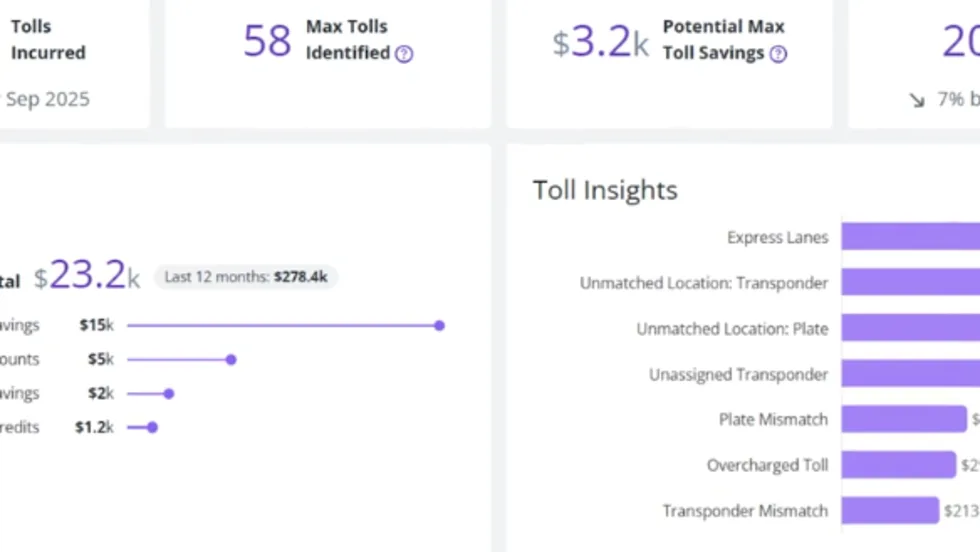
PrePass Intelligence Mines Fleet Bypass, Toll and Safety Data
PrePass Intelligence helps fleets measure bypass savings, flag potential toll overcharges, and spot suspicious transactions by combining data from separate systems.
Read More →
Motive Adds AI Agents for Fleet Operations
New tools automate follow-up on fleet data, from maintenance work orders to driver alerts, with two-way voice conversations planned for later this year.
Read More →
Can You Beat Our Trucking Trivia Challenge?
Test your truck knowledge with 19 trivia questions from Heavy Duty Trucking Exchange. Can you keep up with the fleet pros?
Read More →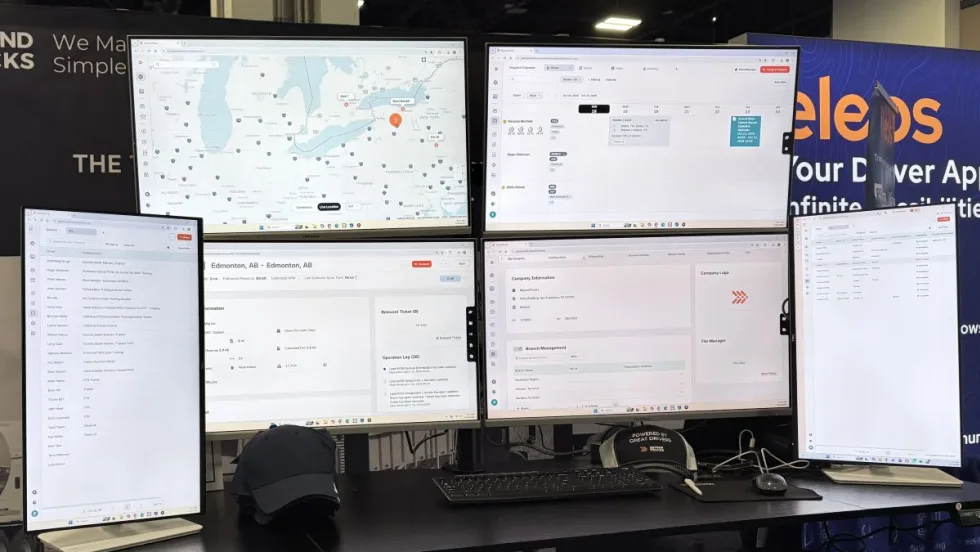
BeyondTrucks Adds Rules Checks to Dispatch
New Compatibility Engine checks driver qualifications, equipment requirements and fleet policies before loads are dispatched.
Read More →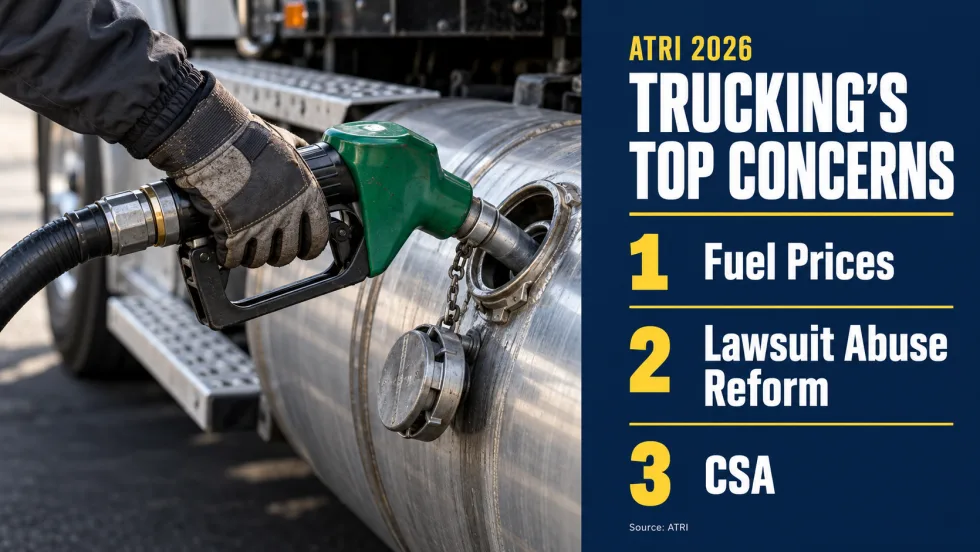
Diesel Prices Hijack Trucking’s Worry List
ATRI’s annual survey finds cautious optimism about freight, but diesel costs, litigation, and insurance continue to squeeze fleets. Drivers have different priorities on several issues.
Read More →
Nomination Deadline Extended for HDT Emerging Leaders
Just a few more days to nominate accomplished trucking fleet professionals under 40 who are making an impact and helping lead the industry forward for the HDT Emerging Leaders award. Deadline extended to October 20!
Read More →
What Will ATA’s New Leader Bring to Trucking's Table?
Incoming President and CEO Mark Colson’s record in Alabama offers clues about his priorities and approach following Chris Spear’s abrupt departure as the head of the American Trucking Associations.
Read More →
Volvo, Waabi Start Commercial Autonomous Operations in Texas
Volvo VNL Autonomous trucks, powered by the Waabi Driver, are hauling freight directly to third-party facilities for a customer in Texas.
Read More →