




Parasitic Loads and Battery Life
It used to be when you turned the vehicle off, all electrical loads went away. Now that today's trucks use electronics full time, including the extra hotel loads for driver comfort, these electrical loads (parasitic loads) increase the demands on the vehicle electrical system
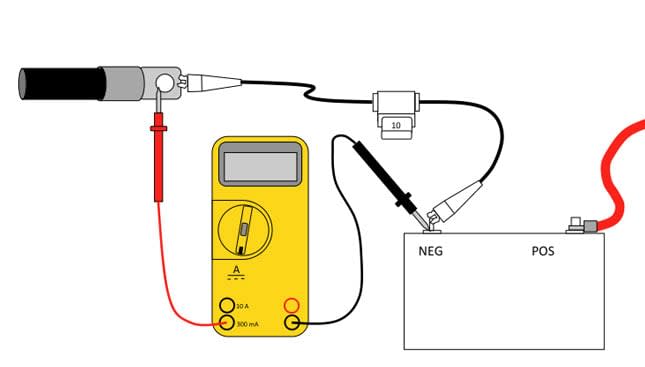
Testing for parasitic loads: A multi-meter is connected to a battery and to the vehicle wiring. There is an inline fuse along the negative cable that is used to prevent current from the electrical system from blowing the multi-meter fuse.
It used to be when you turned the vehicle off, all electrical loads went away. Now that today's trucks use electronics full time, including the extra hotel loads for driver comfort, these electrical loads (parasitic loads) increase the demands on the vehicle electrical system.
If the engine is not running, the alternator has no output and the batteries supply all the energy to power these parasitic loads. The extent of the total load is determined by two factors:
1. Length of time the parasitic load is on.
2. The amount of current the parasitic load is drawing.
For example, a small cooler plugged into a 12V power plug could draw four amps per hourand be left on for the entire weekend (72 hours). Four amps multiplied by 72 hours is 288 Amp/hours. However a dc-ac power inverter can pull 150 amps to power an 800-watt microwave oven. It takes five minutes to cook the item. Five minutes equals 0.0833 hour. 150 amps multiplied by 0.0833 is 12.495 Amp/hours.
As you can see by the examples above, a small load over an extended period of time requires much more energy from the battery pack than a heavy load over a short period of time. Most four-battery packs contain approximately 400 Amp/hours if they are in good condition and at 100% state of charge. As a rule, the depth of discharge must be kept less than 30% to improve battery life.
The deeper the depth of discharge, the shorter the life will be for all batteries regardless of the type or manufacturer. The small cooler left on over the weekend results in a 72% depth of discharge -- much more than the 30% rule of thumb.
(Information courtesy Purkeys Fleet Electric, www.purkeysfleetelectric.com.)
More Maintenance

What Three Fleets Are Doing Differently When Buying Truck Parts in 2026
With freight improving but costs still climbing, fleet maintenance executives explain how they're balancing price, quality, and supplier relationships.
Read More →
Paccar Recalls 2027 Trucks Built This Summer for Possible Electrical Problem
The nearly 6,000 Kenworth and Peterbilt trucks in the recall could potentially lose engine power, among other things.
Read More →
Will API PC-12 Oil Change Trucking Fleet Maintenance?
The new API PC-12 heavy-duty engine oil category reflects the changing demands of modern diesel engines. But fleets like Foodliner are looking to getting their own data before making decisions on adopting the new oils and questions such as extending oil drain intervals.
Read More →
Brake Safety Week to Focus on Drums and Rotors
Commercial vehicle inspectors will be focusing on brakes during CVSA's Brake Safety Week, August 23-29.
Read More →
Possible Battery-Cable Fires Prompt Recall of 15,000+ International MV and HV Trucks
On the recalled vehicles, manufacturing variations can cause the battery interconnect cable to contact the auxiliary stud and hold down the bracket.
Read More →
Rush, MCT Team Up to Grow Refrigeration Service Network
The joint venture will operate MCT's network of Carrier Transicold dealerships and mobile service locations, with the companies promising greater service capacity and uptime for refrigerated fleets.
Read More →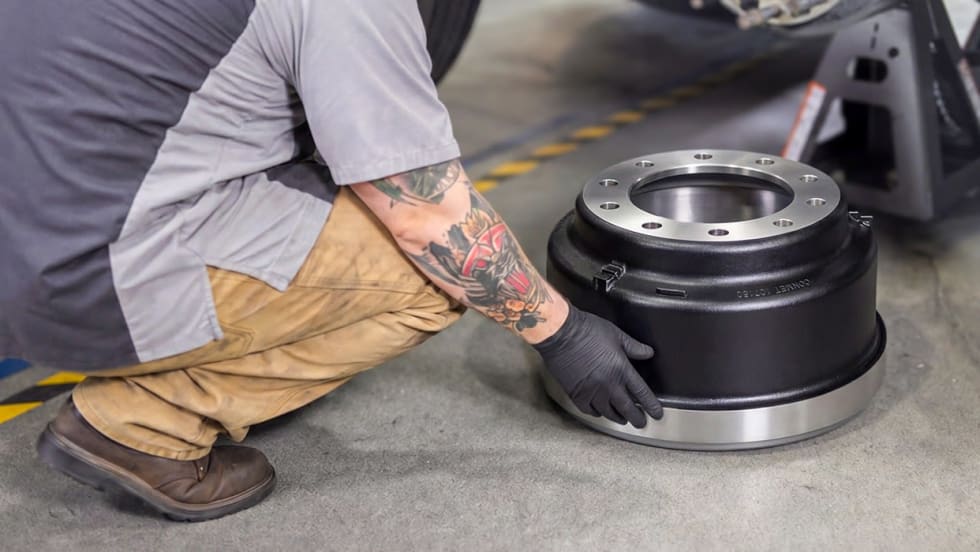
ConMet Expands Aftermarket Brake Drum Lineup With TruCast
A new heavy-duty truck brake drum option in the aftermarket gives customers more flexibility within the ConMet product family.
Read More →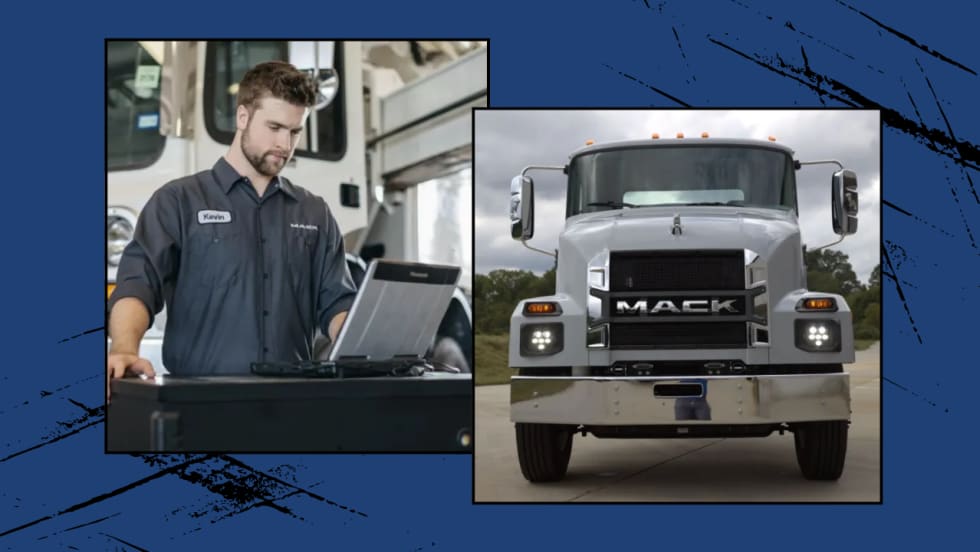
Mack Expands Premium Service Contract Coverage to Medium-Duty MD
With a service contract, inspections, preventive maintenance and repairs can be handled in a single visit instead of multiple ones.
Read More →
Maintenance in the Messy Middle Part 5: Battery-Electric Trucks
No oil changes. No diesel exhaust fluid. No exhaust aftertreatment. But NACFE battery-electric trucks still require specialized maintenance procedures.
Read More →
Trucking Fleets Faced Record Operating Costs During Third Year of Freight Recession
ATRI's annual operational cost report shows carriers trimmed fleets, delayed equipment purchases, and ran older trucks as expenses continued to outpace freight rates.
Read More →